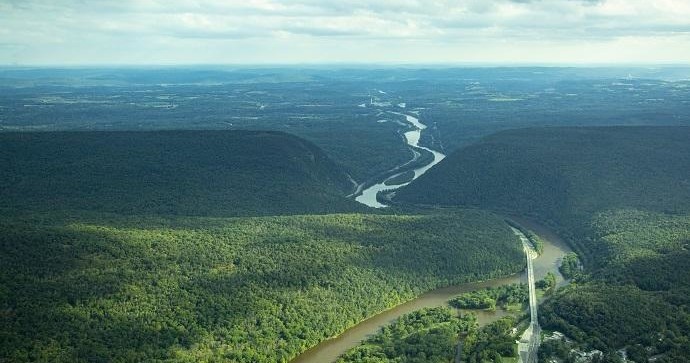
The stretch of valley around Phillipsburg reads differently from the sky. Where the river bends, farms and old industrial lots stitch a quilt of open landing zones and clear updraft corridors that are prized by pilots and balloonists. On still mornings, mist rises off backwater basins and the first light catches the edges of the Kittatinny foothills, creating the kind of photographic light that brings balloon baskets and sightseeing flights to life. By contrast, afternoons often introduce thermals, variable winds, and the chance for more dynamic flying — conditions that make for thrilling but weather-dependent experiences.
Phillipsburg’s appeal is pragmatic as much as poetic. Accessibility from larger population centers in New Jersey and nearby Pennsylvania means operators can run frequent scenic sorties, and the river corridor creates straightforward navigation references for visual pilots. The terrain is forgiving for a range of air activities: broad, flat fields for launches and landings; long river vistas for scenic flights; and nearby ridgeline approaches that reward paragliders and experienced recreational pilots when local conditions are right. That variety allows visitors to tailor outings by appetite — a serene sunrise balloon flight that collapses into a country breakfast, or a midday helicopter hop that links river views with slate quarries and old rail infrastructure.
Because air activities are intensely weather-dependent, planning here is about timing and flexibility. Mornings are the sweet spot for smooth air and predictable winds; late afternoons and early evenings can produce good conditions for certain activities but bring more variability. Operators and pilots in the region commonly monitor river valley wind funnels and consult local METARs, so expect bookings to include contingency plans. Beyond the flight itself, Phillipsburg’s riverside trails, local microbreweries, and short ridge hikes make excellent companion activities: you can round out a morning flight with a short paddle on the Delaware or a hike that looks back up at the sky you just left.
Air activities here balance access and variety: open launch fields, river corridors for orientation, and nearby low ridges that create useful lift and scenic contrast. That mix is ideal for introductory sightseeing flights and more advanced recreational flying when conditions cooperate.
Seasonality is pronounced: spring through early fall offers the most reliable window for scheduled flights, while winter operations are rare and typically weather-limited. Plan morning slots for the calmest air, and keep afternoons for contingency or complementary ground-based activities.
Choose by purpose
Whale watching, snorkeling, sunset sailing, cultural canoeing, harbor sightseeing, or private chartering.
Start near the city
Waikiki and Honolulu Harbor are primary hubs, with some trips launching near Hanauma Bay.
Confirm the vessel
Gangways, shaded seating, and boarding requirements vary according to vessel size and operator.