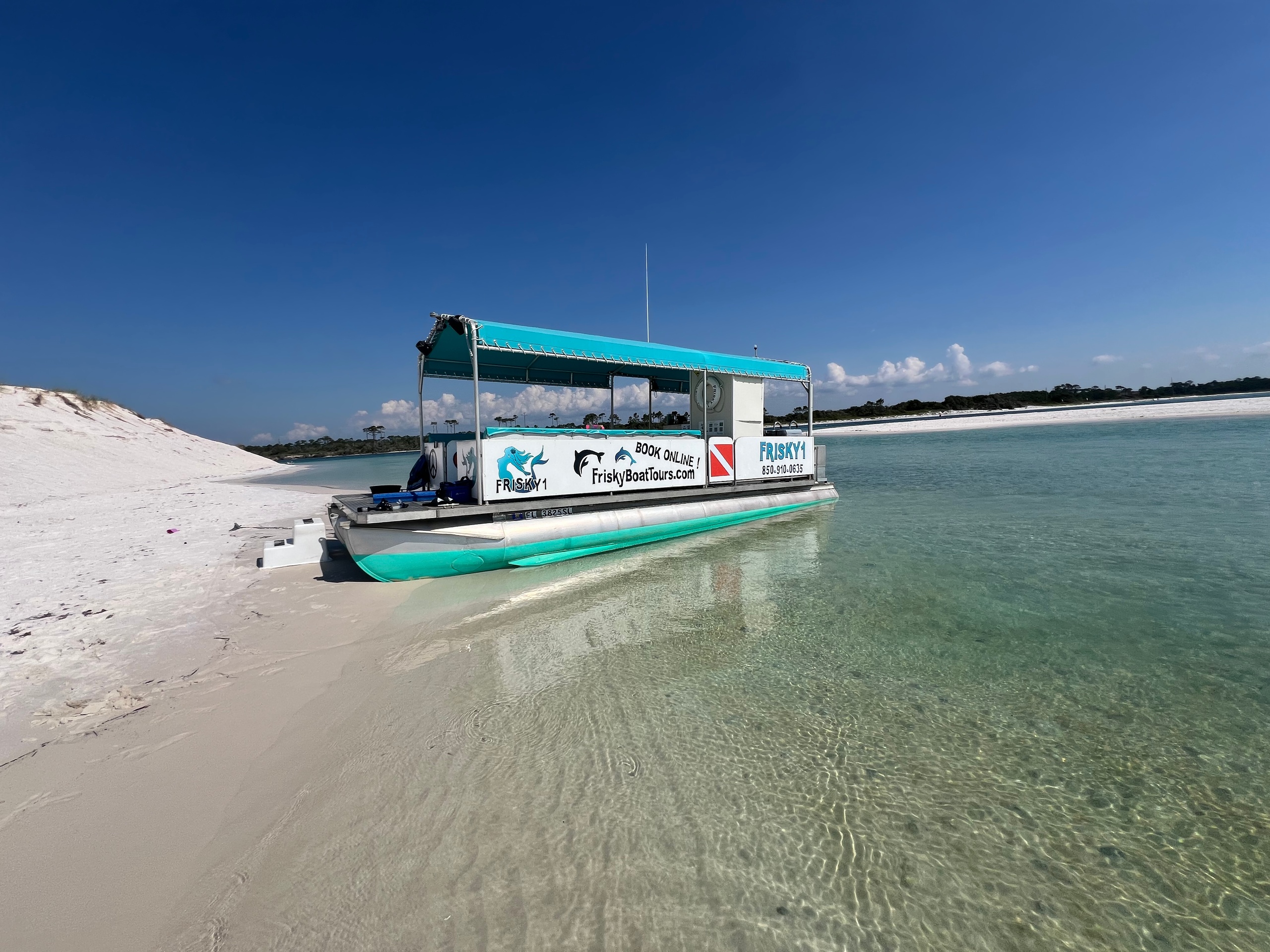
Dolphin Watching on Pensacola Beach, Florida
Pensacola Beach stitches sugar-white sand to the briny Gulf, but the real draw for early-morning and golden-hour travelers is the quicksilver arc of dolphin dorsal fins. From shore-based sightings at the pass to small-group kayak tours threading the sound, dolphin watching here is as much about place—shallow bays, tidal flows, and a working coastline—as it is about the animals themselves.
Top Dolphin Trips in Pensacola Beach
71 trips • Book with confidence • Instant confirmation
Why Pensacola Beach Is a Standout Dolphin-Watching Destination
There’s a particular hush that comes with the Gulf at dawn: a soft, spreading light on shallow water, the cry of distant gulls, and the first black fins cutting the surface like punctuation marks. Pensacola Beach lives in those moments. The seam where the Santa Rosa Sound meets the Gulf through Pensacola Pass creates a patchwork of currents and channels that concentrate fish and, in turn, draw dolphins close to the shoreline. It’s a dynamic coastal system—sandbars that shift with storms, tidal runnels that funnel baitfish, and protected bays where pods can travel with relative safety—that makes dolphin encounters frequent and varied.
Watching dolphins here is equal parts natural history and theater. Expect to see acrobatic displays—breaching, tail-slaps, and synchronized runs—alongside quieter behaviors: mothers nursing calves in calm backwaters, youngsters investigating a bow wake, or single animals foraging along a sandbar edge. Local guides and naturalists read those behaviors like a shorthand; they’ll point out how group size and activity shift with tides, time of day, and the season. That biological literacy is part of the appeal—these are not just scenic boat rides but guided introductions to a living coastal ecosystem.
Pensacola’s human story is stitched to the sea as tightly as its wildlife. Fishing camps, naval history, and a coast carved by storms and human use have all shaped current access and stewardship. Today’s operators balance recreation with conservation: licensed captains brief guests on respectful viewing distances, and many outfitters limit group sizes to reduce disturbance. For visitors, that means more meaningful encounters that don’t just check a box but leave you with a clearer sense of the animals’ needs and the fragility of their habitat.
Beyond pure wildlife-watching, dolphin trips here dovetail with a range of seaside experiences. Paddleboard and kayak tours let you thread quiet mangrove tunnels where dolphins occasionally slip past at eye level. Snorkeling and shallow-water boat trips reveal the same feeding grounds from a different angle. And for photographers and writers, the shifting light on curving sandbars—paired with dolphin arcs—is a near-perfect subject. The practical payoff: whether you come for an hour-long morning cruise or a multi-day coastal exploration, Pensacola Beach offers reliable sightings framed by accessible, safety-minded operations and a coastal culture that still values the sea.
Frequent sightings: shallow bays and the pass concentrate prey and make dolphins visible from shore and small craft.
Complementary activities: combine a dolphin tour with kayaking, snorkeling, or a sunset cruise to deepen your experience of the coastal landscape.
Best Time to Visit
Best Months
Weather Notes
Warm, humid summers bring calm mornings ideal for boat and kayak tours; afternoons can develop sea breezes and brief thunderstorms. Late spring through early fall tends to offer the most consistent dolphin activity nearshore. Pay attention to seasonal tropical storm or hurricane alerts.
Peak Season
Summer months and holiday weekends (higher visitation for tours and beachfront access).
Off-Season Opportunities
Late fall and winter bring fewer crowds and cooler mornings—tours still run and can offer quieter, more intimate wildlife encounters, though water temperatures and activity patterns shift.
Frequently Asked Questions
Do dolphins come close to shore?
Yes—dolphins frequently travel along sandbars and through passes where prey concentrates, making them visible from shore and on short boat or kayak trips.
Is dolphin watching suitable for families?
Absolutely. Many outfitters run family-friendly tours, but check age limits, flotation requirements, and tour length before booking.
How long does a typical dolphin tour last?
Tours range from short 45–90 minute cruises to half-day trips; kayaking tours are often 1–3 hours depending on the route and tide.
Are guided tours necessary?
Guides increase the likelihood of meaningful sightings and help interpret behavior and habitat. They also enforce responsible viewing practices.
Choose Your Experience Level
Beginner
Shoreline and short, guided boat tours—low physical demand and high accessibility for most visitors.
- Sunrise dolphin cruise (short, narrated)
- Pass-viewing from designated beach overlooks
- Family-friendly bay kayak tour with calm paddling
Intermediate
Longer kayak or paddleboard tours and small-group photography cruises that require basic fitness and comfort on the water.
- Half-day guided kayak tour of Santa Rosa Sound
- Photography-focused small-boat excursion
- Sunset dolphin-and-dolphin-chase mixed sightseeing tour
Advanced
Multi-hour offshore trips and self-guided coastal expeditions that require sea-knowledge, navigation skills, and planning for changing conditions.
- Offshore charter targeting nearshore dolphin activity
- Self-guided multi-stop coastal paddling with navigation between sound and pass
- Long-form naturalist expeditions combining snorkeling and wildlife observation
Insider Tips & Local Knowledge
Always verify tour operator credentials, weather, and tide schedules before heading out.
Start early for smoother water and higher chances of active feeding behavior; dawn and the hour before sunset are often the best windows. If you’re prone to seasickness, take medication at least 30 minutes before departure and choose morning trips with calmer conditions. Ask guides about local marine life regulations and avoid touching or feeding dolphins under any circumstances—responsible viewing keeps animals wild and populations healthy. For photographers, a fast shutter speed and continuous autofocus will help capture quick, unpredictable movements; for non-photographers, binoculars and patience reward long watches. Consider combining a dolphin tour with a paddle through the mangroves or an evening beach stroll—both build a fuller sense of how coastal processes shape wildlife patterns. Finally, book tours in advance during summer weekends, and choose smaller, locally run operators when possible for more educational and lower-impact experiences.
What to Bring
Essential
- Binoculars or a zoom lens for close-up viewing
- Water, sun protection, and a wide-brim hat
- Light waterproof layer or windbreaker (sea spray and breezes are common)
- Seasickness medication if you're prone to motion sickness
- Reusable water bottle and a small dry bag for electronics
Recommended
- Polarized sunglasses for glare reduction
- Camera with fast shutter and telephoto lens (or a quality point-and-shoot)
- Waterproof phone case and lanyard
- Soft-soled shoes for stepping into small skiffs or kayaks
Optional
- Small notebook for field notes or species observations
- Binocular harness or strap for long watches
- Light snack for multi-hour tours
Ready for Your Dolphin Adventure?
Browse 71 verified trips in Pensacola Beach with instant booking
Explore Top 15 Pensacola Beach, Florida Adventures →