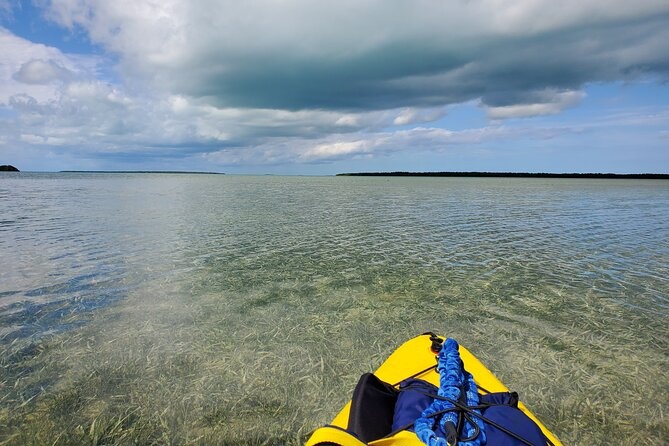
Pembroke Pines is not a headline coastal destination, and that is precisely its quiet strength for paddlers. The city sits amid an intricate web of engineered canals and small lakes that stitch suburban neighborhoods to fringe wetlands. Those waters are often protected from wind and open-channel chop, which creates dependable conditions for learners and paddlers who prefer a relaxed, observation-driven outing. Early mornings here have the hush of suburban life yet the intimacy of a nature preserve: herons and egrets hunt in the shallows, turtles sun on logs, and the occasional freshwater marsh will reveal shy wading birds as you pass.
The town’s true advantage is its accessibility. Launch points are typically short walks from parking and rarely involve long portages, so you can convert an hour or two of free time into a meaningful paddle. That pragmatic ease makes Pembroke Pines an excellent place to build fundamental skills—edging, bracing, boat control in confined waterways—before attempting longer coastal or Everglades routes. For families and groups, the sheltered canals and lakes offer safe spaces to learn the rhythm of paddling without battling tides or strong currents.
Beyond the immediate suburban waterways, Pembroke Pines functions as a gateway. With a short drive you can reach expansive Everglades marshes, tidal estuaries, and the intracoastal that open up possibilities for multi-hour or multi-day trips. Many paddlers stage short local excursions in the morning and use the remainder of the day for nearby birding walks, cycling greenways, or guided eco-tours into the Everglades. That combination—easy local access plus quick links to ambitious paddles—makes the city attractive to a wide range of paddlers: first-timers looking for a safe introduction to flatwater, photographers hunting quiet light, and intermediate paddlers plotting longer coastal transfers.
From a seasonal and environmental perspective, South Florida’s climate means you can paddle year-round. The comfortable winter and spring months are the busiest and most pleasant: fewer storms, lower humidity, and excellent birding. Summers bring warm, humid days and frequent afternoon thunderstorms—time your outings for early morning and keep an eye on weather alerts. Wildlife is a consistent highlight, but it also comes with responsibilities: practicing respectful distance from animals, securing gear, and following local rules about launches and private-property access. With a pragmatic approach and basic planning, Pembroke Pines offers a low-stress yet richly rewarding paddling canvas that connects suburban convenience to the wild pulse of South Florida’s wetlands.
Sheltered canals and lakes make Pembroke Pines a practical place to learn paddling fundamentals and enjoy short, wildlife-focused excursions.
The city’s proximity to the Everglades and coastal estuaries lets paddlers combine accessible local loops with longer day trips into more remote habitats.
The harbor is the gateway, and the Pacific becomes the classroom.
Best paddling windows are early morning and late afternoon; summon caution during summer thunderstorm season and hurricane season (June–November).
Choose by purpose
Whale watching, snorkeling, sunset sailing, cultural canoeing, harbor sightseeing, or private chartering.
Start near the city
Waikiki and Honolulu Harbor are primary hubs, with some trips launching near Hanauma Bay.
Confirm the vessel
Gangways, shaded seating, and boarding requirements vary according to vessel size and operator.