Why Pemberton Is a Walking-Tour Destination
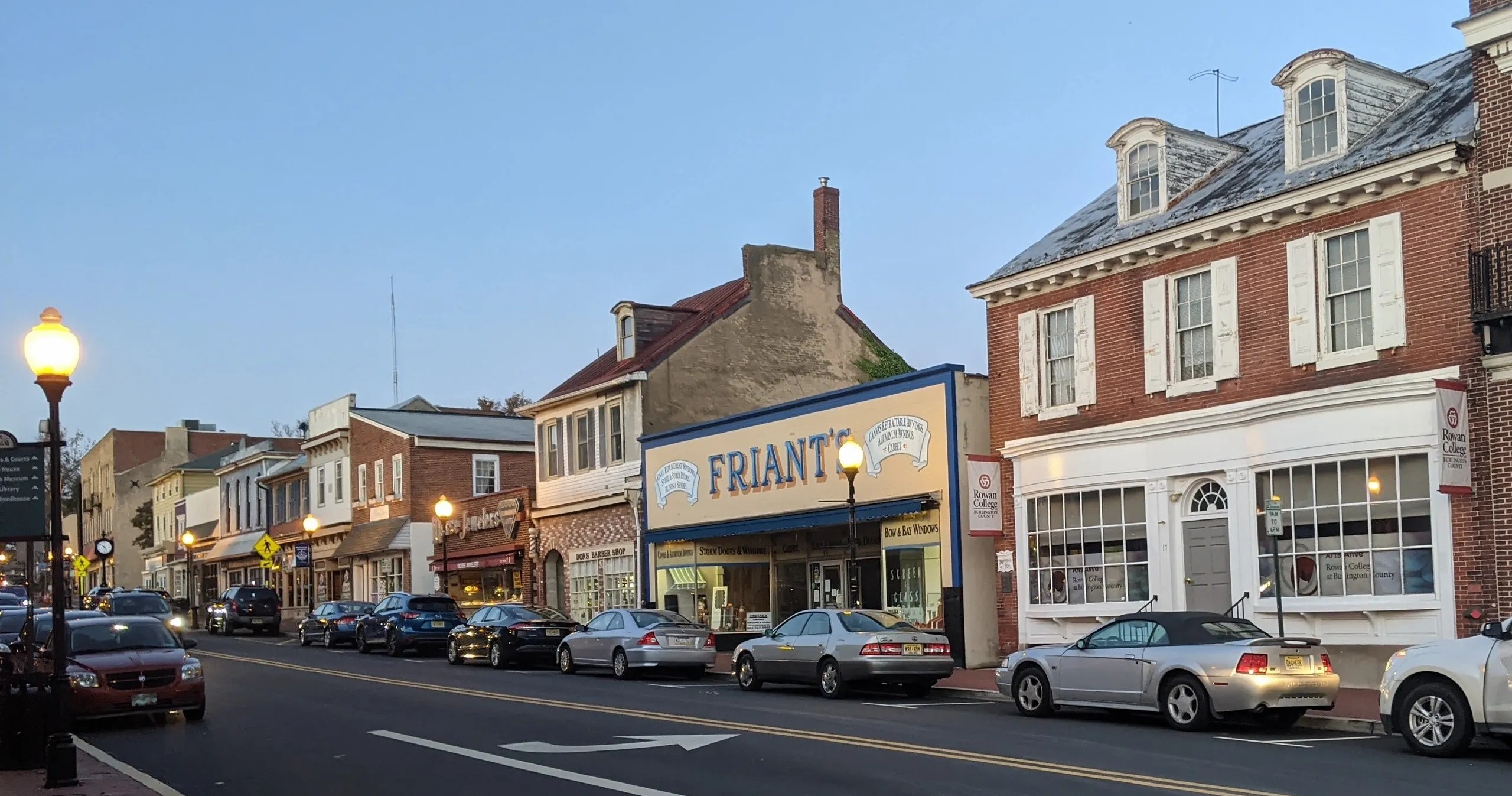
Pemberton feels like a slow-reading book: the sentences are short, the margins generous, and each page reveals something you didn’t quite expect. On foot the town’s scale becomes its gift. Brick storefronts and clapboard houses line streets shaded by pin oaks and locusts; past them, small patches of wetlands and the wide shoulders of the Rancocas Creek open into a water landscape where herons hunt and kayaks drift. A walking tour here isn’t a checklist so much as a translation exercise—reading the clues of a place that has been at once colonial crossroads, industrial neighbor to the railroad, and a contemporary outpost of the New Jersey Pine Barrens.
Walks through Pemberton are as varied as the township’s history. In the historic village, guided tours often point out Federal-style homes, vestiges of 19th-century commerce, and the old town green where public meetings and band concerts once convened. Venture farther and boardwalks and interpretive paths thread through wetlands, pointing to the cranberry bogs that shaped the local economy and the unique ecology of the pine-oak barrens. These environments invite a different kind of attention: the sound of pine needles underfoot, the tang of bog water, and the slow, watchful life of marsh birds and dragonflies. Local walking routes also push beyond nature into culture—scenes of Lenape presence and colonial settlement, Victorian era architecture, and the modest industrial relics of a town tied to railroad lines and waterways.
The appeal for travelers is practical and sensory. Walking tours compress discovery—the historical context you would find in a museum is instead anchored to a street corner, a preserved house, or a riverside bench. For photographers and naturalists, early-morning walks along the creek bring soft light and quiet wildlife, while afternoon neighborhood ambles reveal the rhythm of daily life: school drop-offs, café chatter, the occasional market. For families, short interpretive loops and boardwalks make learning tactile and manageable. For seasoned hikers and explorers, deeper Pine Barrens trails and the adjoining preserves invite extended legs and quieter vistas.
Pemberton’s walking tours are also inherently local and adaptable. Many are short, community-focused routes suitable for a morning or afternoon; others are stitched into longer experiences—combine a village historic walk with a late-afternoon paddle on Rancocas Creek or a sunset stroll through bog-side trails to watch cranes lift in the dusk. Because these walks move through a mix of paved streets, soft dirt paths, and raised boardwalks, they are accessible to a broad range of abilities with reasonable planning. Seasonality matters: spring and fall bring the most comfortable temperatures and notable natural displays, while summer offers languid, verdant scenes and active waterways. Winter walks are quieter and stark, rewarding those prepared for colder, wetter conditions. Ultimately, Pemberton’s walking tours invite slow attention; they reward curiosity, and they transform incidental corners—the small brick post office, the bend in a creek, the row of maples—into memorable waypoints of place-based storytelling.
Walking in Pemberton bridges cultural history and coastal plain ecology—expect museum plaques next to tidal marshes and cranberry bogs.
Routes vary from short village loops to multi-segment walks that link preserves, waterways, and neighborhood streets.
The harbor is the gateway, and the Pacific becomes the classroom.
Self-guided options are plentiful; look for interpretive signs and local maps, but guided tours add historical depth and anecdotes.
Combine walking tours with paddling, birding, or cycling for a fuller sense of the Rancocas watershed and Pine Barrens landscape.
Choose by purpose
Whale watching, snorkeling, sunset sailing, cultural canoeing, harbor sightseeing, or private chartering.
Start near the city
Waikiki and Honolulu Harbor are primary hubs, with some trips launching near Hanauma Bay.
Confirm the vessel
Gangways, shaded seating, and boarding requirements vary according to vessel size and operator.