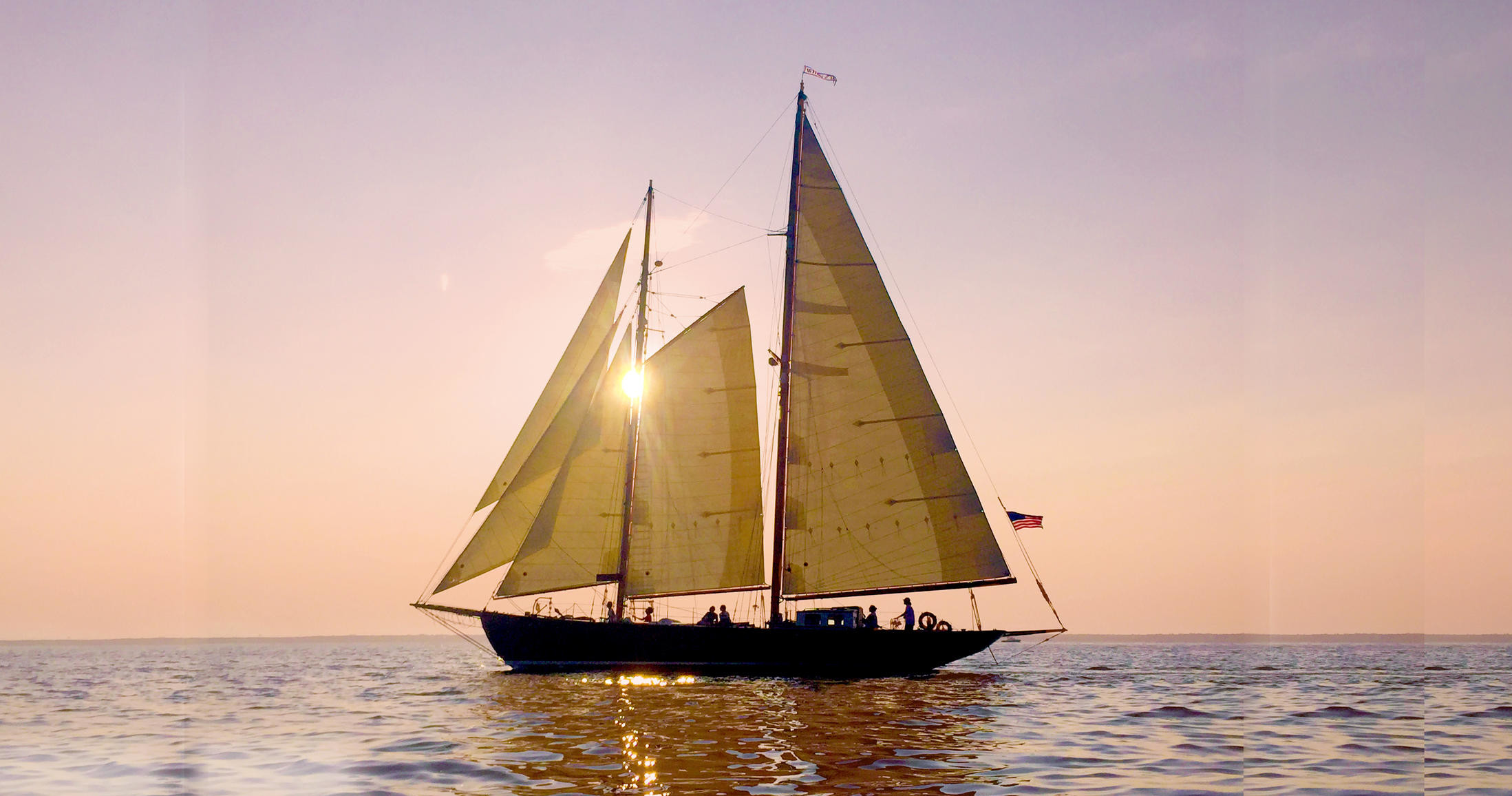
Sailing in Pelham, New Hampshire
Pelham’s sailing scene is quietly practical: sheltered ponds for learning the ropes, nimble daysail opportunities when the wind pipes up, and easy access by car to larger lakes and coastal harbors for full-keel adventures. This guide focuses on making local sailing accessible—what to expect from the water near town, when to go, what gear matters, and how to stitch a Pelham-based trip into broader New England sailing itineraries.
Top Sailing Trips in Pelham
50 trips • Book with confidence • Instant confirmation
Why Pelham Is a Standout Sailing Destination
Pelham sits at a quiet crossroads of New England sailing opportunity: the town itself is framed by a handful of modest ponds and shoreline pockets that are ideal for learning, short day-sails, and practicing boat handling without the commitment of a full-lake crossing or coastal passage. This makes Pelham a practical base for families, schools, and weekend sailors who want low-stress launching points and sheltered waters to build confidence. The landscape is classic southern New Hampshire—undulating farmfields, stone walls, and mixed hardwoods that drop to calm water edges. On many summer mornings the wind is light and forgiving, perfect for teaching tacks and points of sail; by afternoons, thermally driven breezes can develop enough power to make a single-luffing reach feel like an accomplishment.
But what Pelham offers is as much about access as it is about the immediate water. Within a reasonable drive are larger lakes and coastal inlets where sailors graduate to keelboats, overnight cruising, and stronger, more sustained winds. That stratified progression—from pond daysails to full-lake or coastal outings—lets sailors plan incremental learning pathways without large travel or logistical burdens. Local sailing culture in towns like Pelham tends to emphasize community programs: seasonal youth learn-to-sail sessions, informal crew lists, and shared-equipment models that favor participation over ownership. For visiting sailors, that means an array of options: rent a small dinghy or daysailer nearby, join a community regatta as crew for a weekend, or hire a skipper for an introductory keelboat lesson within a short drive.
Environmentally, these waters are part of a mixed-use watershed. Expect typical New England seasonal rhythms: a late-spring run of cold-clear water, warm summer water that encourages long days afloat, and a crisp shoulder season when winds can be steadier but water temperatures fall quickly. Wildlife is part of the attraction—waterfowl, osprey, and the occasional mink or otter—so low-impact boating practices help preserve the quiet that makes Pelham's sailing appealing. Safety here is straightforward but important: because many local launch points are shallow and sheltered, grounding or prop damage can happen if you push into marshy edges; conversely, when you seek open water farther afield, wind and weather demand stronger seamanship.
Practical planning in Pelham is simple by design: outfit yourself for short sails and training sessions, keep an eye on the day’s thermal forecast for afternoon breeze, and be ready to travel a bit for larger-lake or coast-style sailing. For families and learners, Pelham’s accessible water and nearby amenities make it an effective place to start a seasonal sailing routine. For experienced sailors, it’s a stepping-stone—an easy launchpad to richer New England cruising grounds where you can stitch together day-sails, overnight hops, and weekend regattas.
Pelham’s immediate waters are best for daysails, instruction, and practice; plan longer outings by driving to larger lakes or coastal marinas within the region.
Seasonal winds follow typical New England patterns—lighter mornings, potential afternoon thermals in summer, and steadier westerlies in shoulder seasons.
Community sailing programs and informal crew networks make it easier to get afloat without owning a boat.
Best Time to Visit
Best Months
Weather Notes
Late spring brings cooler water and often lighter winds; summer offers the longest days and thermal afternoon breezes; early fall frequently provides the steadiest winds and cooler, clearer conditions. Be aware that sudden weather changes can pick up, especially if you travel to larger lakes or coastal areas.
Peak Season
July–August (family outings, sailing programs, and weekend traffic)
Off-Season Opportunities
Late spring and early fall are excellent for quieter conditions and steadier winds; after lakes freeze in winter, sailing is not typical unless ice-sailing opportunities exist elsewhere.
Frequently Asked Questions
Do I need permits or launch fees?
Local launch access varies by landowner and municipality; some public launch areas may have parking fees or seasonal regulations, while private launches require permission. Confirm access before you go.
Can I rent boats locally?
Equipment availability varies; small dinghy and daysailer rentals or skippered charters are commonly found within driving distance. Look for community sailing centers or regional marinas for rentals and lessons.
Is sailing safe for beginners in Pelham?
Yes—Pelham’s sheltered ponds are well-suited to beginners when conditions are calm. Take a learn-to-sail class or hire an instructor for your first outings, and always wear a PFD.
Choose Your Experience Level
Beginner
Short, sheltered pond sails focusing on basic boat handling, knots, and safety procedures.
- Introductory dinghy lesson
- Family daysail on sheltered water
- Practice tacking and points of sail in protected coves
Intermediate
Longer daysails in open water, introduction to keelboat handling, navigation basics, and crew roles.
- Keelboat day charter with instruction
- Cross-lake day-sail to nearby scenic points
- Participating as crew in local informal regattas
Advanced
Passagemaking, overnight cruising, coastal navigation, or racing—requires stronger weather judgment and more complex systems knowledge.
- Coastal day-sail or overnight hop from larger marinas
- Advanced single- or multi-day passage planning
- Competitive racing on larger water bodies
Insider Tips & Local Knowledge
Confirm launch access and water conditions before setting out; local community centers and marinas are good sources for up-to-date info.
Start your sailing day early for calmer water and lighter winds; afternoons can stiffen, especially on hotter summer days. If you’re new, book a few short lessons instead of a long self-led day—building skills in small, structured increments is faster and safer. Watch shoreline depth: shallow flats and vegetation can hide hazards near shorelines on some ponds. Carry reliable communication—cell coverage can be spotty at times and a handheld VHF is useful if you move to larger-lake or coastal waters. When traveling to larger lakes or the coast, check weather and wind forecasts the night before and again before launching; a small weather window can make the difference between a rewarding day and a challenging one. Finally, leave no trace: pack out trash, minimize wake near sensitive shorelines, and respect posted wildlife areas to protect the quiet that makes Pelham sailing memorable.
What to Bring
Essential
- USCG-approved personal flotation device (PFD) for every person
- Waterproof jacket and layered clothing
- Non-marking deck shoes or closed-toe sneakers
- Sun protection: hat, sunglasses with retainer, and sunscreen
- Water and snacks
Recommended
- Handheld VHF or fully charged phone in waterproof case
- Basic repair kit (tape, shackles, extra line)
- Light fleece or insulating layer for cooler mornings and evenings
- Small first-aid kit
Optional
- Dry bag for phones and valuables
- Binoculars for bird and shoreline spotting
- Tide and weather app with local wind forecasts (for trips to larger lakes or coast)
Ready for Your Sailing Adventure?
Browse 50 verified trips in Pelham with instant booking
Explore Top 15 Pelham, New Hampshire Adventures →