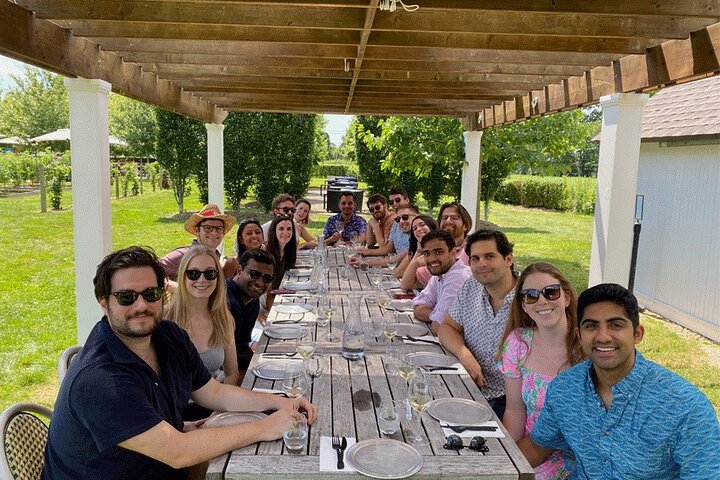
There’s a particular rhythm to travel on wheels through the North Fork: slow enough to study the light on grape leaves and fast enough to move you from salt-flats to tasting room without fuss. Bus tours in Peconic are less about transportation and more about context. Seats become stages for stories—about generations of growers, the seasonal logic of shellfish beds, the steam of offshore weather—and windows frame a landscape that looks, at once, intimate and maritime. The advantage is immediate. You trade the logistics of parking on narrow country lanes and the anxiety of single-lane passing for the steady forward motion of a driver who knows the turns, a guide who knows the backstory, and a schedule that lets you disembark with purpose.
That purpose rarely ends at a single stop. A typical Peconic bus day threads winery courtyards, family-run farms, and a waterfront village where the tide sets the tempo. Tours vary: some are oriented around tastings, pairing narrative with sips; others are interpretive, foregrounding ecology and the history of shellfishing and maritime trade. You’ll notice recurring themes—land shaped by water, agriculture that leans into microclimates, and small-business craftmanship—but every operator interprets them differently. For photographers, the repetitive change of frames—from golden rows of vines to salt marsh silhouettes—offers quick visual contrasts without the fatigue of self-driving. For families and visitors with mobility concerns, a bus tour shrinks distances and removes the need for repeated parking and wayfinding. And for anyone on a tight itinerary, a well-run tour can deliver a curated sample of Peconic’s terroir in a single, coherent day.
Practical advantages sit beside sensual ones. Seasonality matters: late spring brings green shoots and blossoming orchards, summer delivers long light and breezy waterfront stops, and fall deepens color and flavors in tasting rooms. Weather can reframe the experience—sun makes vineyard patios irresistible, while a blustery day changes the mood of the sound and tightens the focus on indoor tastings and warm kitchens. Complementary activities are easy to layer: arrive a day early to cycle quiet back roads, book a kayak shuttle for an estuary paddle, or follow a tour with an evening at a coastal oyster bar. In short, Peconic’s bus tours are an invitation to slow travel with structure: you get mobility without micromanaging, local stories without needing a map, and a sampling of a place that rewards return visits.
Bus tours reduce friction—no parking, no navigation, no deciding which tasting room to try—making them ideal for first-time visitors and groups.
They provide context: guides often combine viticulture, local history, and ecology into a single narrative that enriches stops beyond surface-level sampling.
The harbor is the gateway, and the Pacific becomes the classroom.
Tours are highly seasonal and vary in pacing from relaxed, multi-stop tasting days to shorter, interpretive runs focused on landscape and heritage.
Choose by purpose
Whale watching, snorkeling, sunset sailing, cultural canoeing, harbor sightseeing, or private chartering.
Start near the city
Waikiki and Honolulu Harbor are primary hubs, with some trips launching near Hanauma Bay.
Confirm the vessel
Gangways, shaded seating, and boarding requirements vary according to vessel size and operator.