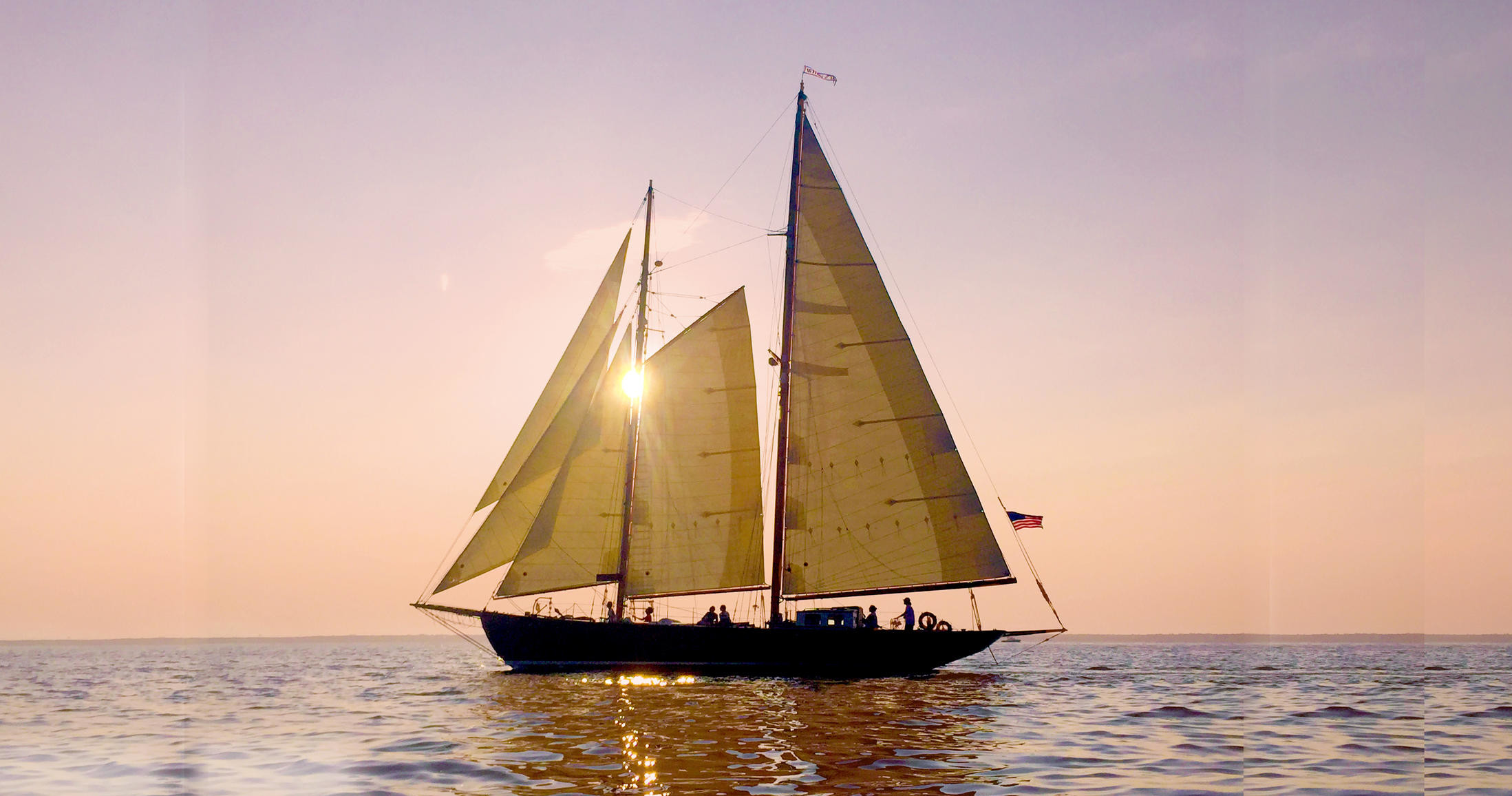
Why Sailing from Peabody Feels Like Classic New England
There’s a particular punctuation to sailing on the North Shore: granite headlands, lobster pots, varnished teak, and a wind that remembers centuries of fishermen and racers. Peabody is not a seaside village in the romantic sense—its strength as a sailing hub is practical and geographic. From the city's center you can be at moorings in Salem or Marblehead in less than half an hour, stepping into a maritime landscape that moves between placid, protected coves and exposed, wind-sculpted channels. That juxtaposition defines the sailing here: daysail lessons in quiet harbors that graduate to tactical, windward work off Cape Ann.
The sailing variety around Peabody is large by New England standards. Beginners find calm learning grounds—sheltered basins and lee of islands where instructors teach points of sail, tacking, and the basics of seamanship without the nervous edge of strong tidal flows. Intermediates can explore coastal hops between scenic anchorages, watching the shoreline alternate from industrial harbors to clifftop homes, and learn the local art of reading tide and wind. For advanced sailors, Marblehead and Salem host an intense racing culture and a coastline that rewards skill: shifting sea breezes, eddy currents near headlands, and tight navigation around rock-bound shoals. The result is a corridor where you can progress quickly: lessons, charters, club daysails, and competitive racing are all accessible on the same weekend itinerary.
The cultural layers make sailing here richer than the water alone. Marblehead’s long racing history and Salem’s seafaring past give the outings a narrative—every buoy and breakwater sits against a backdrop of wharves, lighthouses, and seafood shacks that have kept sailors supplied for generations. Ecology matters too: migrating seabirds, seal haul-outs, and eelgrass beds remind visitors that these waters are working habitat as much as recreation space. Responsible cruising—speed limits in narrow channels, keeping distance from wildlife, and packing out what you bring—makes the experience better for everyone who shares the shore.
Practical planning is straightforward but not trivial. Seasonality is real: peak sailing runs from late spring to early fall when the water warms and predictable sea breezes develop. But the same seasons bring crowded moorings and charter demand; book lessons and sunset sails early. Weather on the North Shore can flip—fog rolls in from the ocean, afternoon gusts build for an hour and then drop off—so layered clothing and an eye on tide tables and marine forecasts remain essential. Simple preparation opens up a range of integrated experiences: pair a morning on the water with an afternoon of coastal hikes, seafood at a harbor-facing restaurant, or an evening participating in a local club race. Whether you come to learn, to unwind, or to race, the accessible mix of sheltered practice waters and brisk coastal conditions makes Peabody an efficient and gratifying base for seeing New England by sail.
The variety is the draw: sheltered harbors for beginners, coastal day sails for intermediates, and tactical racing waters for advanced sailors.
Changing seasons reshape the experience—memorable late-summer sea breezes, crisp spring training days, and quieter autumn sails after Labor Day.
The harbor is the gateway, and the Pacific becomes the classroom.
Proximity to Marblehead and Salem means strong local sailing infrastructure: schools, charters, community fleets, and a welcoming racing scene.
Choose by purpose
Whale watching, snorkeling, sunset sailing, cultural canoeing, harbor sightseeing, or private chartering.
Start near the city
Waikiki and Honolulu Harbor are primary hubs, with some trips launching near Hanauma Bay.
Confirm the vessel
Gangways, shaded seating, and boarding requirements vary according to vessel size and operator.