Fishing in Peabody, Massachusetts
Peabody Fishing Guide

Fishing in Peabody, Massachusetts

Peabody sits at the crossroads of North Shore freshwater and saltwater opportunity: tidal edges and productive estuaries are a short drive from quiet urban access points and neighborhood ponds. Anglers come for spring stripers and summer bluefish along the coast, late‑spring stocked trout and warmwater bass in inland waters, and the accessible rhythm of shore and pier fishing that makes Peabody an easy, rewarding stop on any Massachusetts fishing itinerary.

Ipswich RiverNorth Shore CoastLocal Ponds & Reservoirs

Live destination inventory

Top Fishing Trips in Peabody

24 trips · Book with confidence · Instant confirmation

The prototype intentionally does not invent replacement trip cards or add images that are not already part of the live source page.

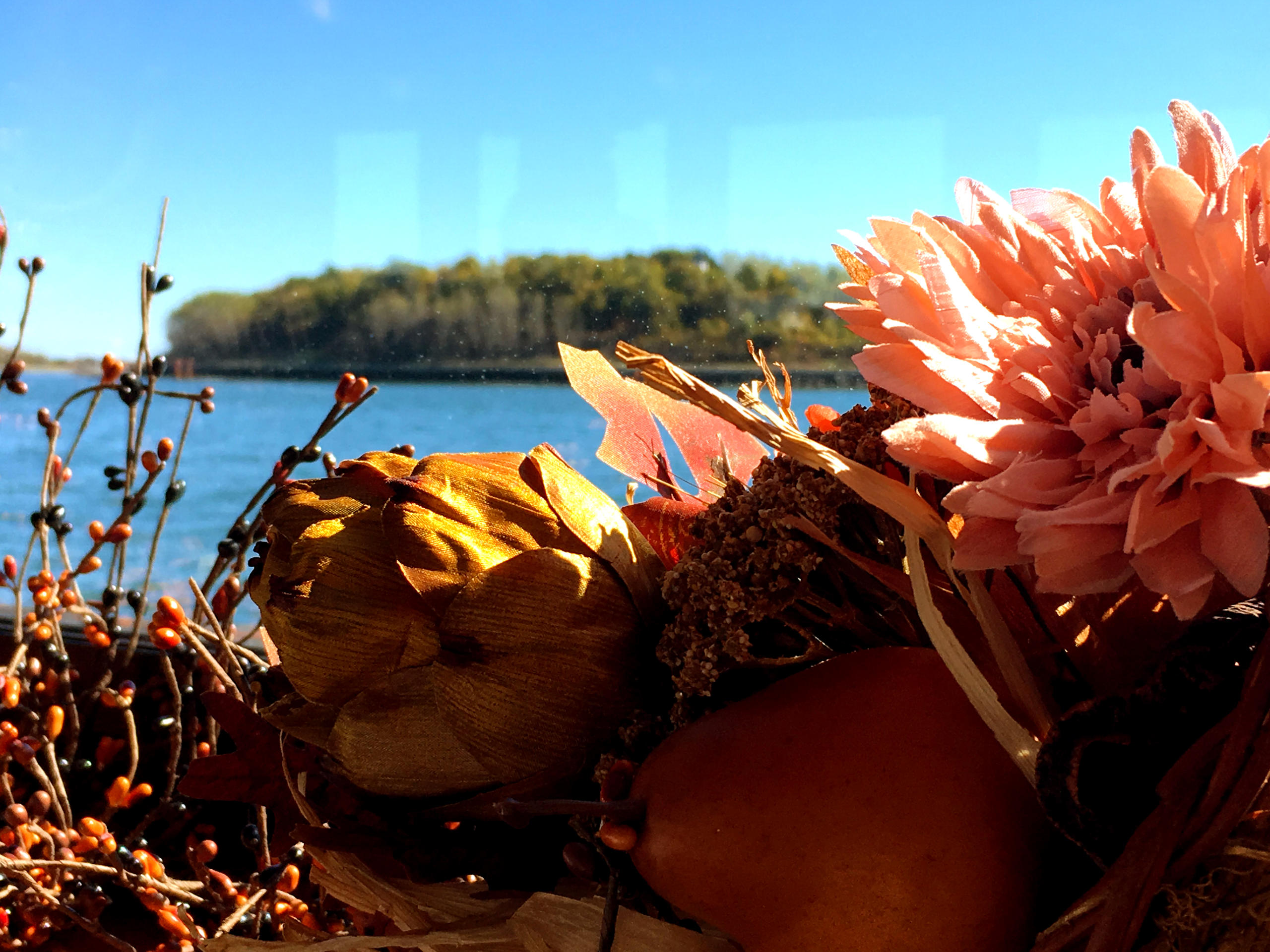
The city from the water

Why Peabody Is a Standout Fishing Destination

Peabody is quietly democratic as a fishing town: it doesn’t advertise big, postcard vistas, but it delivers something more useful for the traveler who wants fish in their hands. The city’s geography — threads of freshwater ponds, the meandering Ipswich River corridor, and short drives to the tidal sounds and estuaries of the North Shore — gives anglers a compact menu of experiences. You can cast a line from a neighborhood pond at dawn for bass and sunfish, drive ten minutes to the river for a quiet trout or pickerel encounter, and by afternoon be scanning the tidal flats and coastal jetties for the flash of a striper or bluefish. That variety makes Peabody ideal for multi‑species days, families that want short walks to productive spots, and visiting anglers who want to sample both freshwater and nearshore saltwater without long drives. The rhythms of the place reward a patient, observational approach. Spring tides turn the estuaries into feeding highways; summer evenings pulse with moving schools of bluefish and stripers close to shore; fall brings a sharper, cleaner light and some of the region’s most dependable shore fishing as fish push along the coast. Inland, small reservoirs and municipal ponds — often overlooked by guidebooks — are where local anglers refine techniques: light gear, topwater lures at dawn, and simple bait rigs from shore. For anglers who value accessibility, Peabody’s network of parks, boat ramps, and public shorelines means you can get into productive water without remote launches or long hikes. Beyond the mechanics of catching fish, there’s a cultural ease here. Local tackle shops, bait suppliers, and community anglers tend to be open with tips: where to find deeper holes after a warm spell, which jetties hold fish through a tidal change, and the short list of lures that work reliably on the North Shore. Pair a morning on the river with an afternoon scouting nearby salt coves, or combine a family walk at one of the city’s ponds with a simple shore rig and a sandwich. The experience in Peabody is as much about rhythm and variety — quick wins at accessible spots — as it is about the chase. It’s an inviting place for new anglers to gain confidence and for seasoned fishermen to stitch together a full day of bites across habitats.

Peabody’s location on the North Shore compresses salt- and freshwater opportunity into short drives: you can move from a stocked pond to a tidal creek without changing lodgings, creating flexible day plans based on weather and tide.

Local knowledge matters: small access points, municipal launches, and seasonal closures can shape where the fish are. Check local tackle shops and state resources for up-to-date access and stocking info before you go.

Activity focus

Choose by purpose

Whale watching, snorkeling, sunset sailing, cultural canoeing, harbor sightseeing, or private chartering.

Departure hubs

Start near the city

Waikiki and Honolulu Harbor are primary hubs, with some trips launching near Hanauma Bay.

Accessibility

Confirm the vessel

Gangways, shaded seating, and boarding requirements vary according to vessel size and operator.

Seasonal planning

Best Time to Visit

Peabody is warm year-round, but wind, swell, migration, visibility, and demand change the best match between traveler and trip.

Peabody boat tour
Year-round destination

Seasonal highlights change the reason to go

Winter favors humpback encounters; warmer, calmer months favor snorkeling visibility and smoother water.

Humpback season

May–September for coastal and tidal fishing

Prime whale watching, winter holidays, higher demand, and earlier sell-outs.

Snorkeling window

May–June–July–August–September–October

Typically gentler seas and clearer water for snorkeling trips.

Weather notes

Trade winds year-round

Late spring through early fall offers the most consistent fishing windows: warmer water draws in nearshore salt species, while cooler evenings around late spring and early fall are prime for topwater action. Sudden onshore winds or storm fronts can change feeding behavior quickly; saltwater success often depends on tides and wind.

Quieter opportunities

Late spring & summer weekdays

Late fall and winter are quieter, but persistent anglers can find shore fishing opportunities on calm days. Ice fishing is limited in this coastal region and requires verified ice thickness and local guidance.

Match the trip to your comfort

Choose Your Experience Level

Low effort

Beginner

Simple shore or pond fishing with light tackle, basic rigs, and short walks from parking. Ideal for families and first‑time anglers.

  • Pond shoreline fishing for bass and sunfish
  • Short riverbank session with worms or small spinners
  • Evening pier or jetty outing for small saltwater bites
Active day trip

Intermediate

Targeted outings that combine tide awareness, live bait or lure selection, and moderate wading. May include short boat or kayak trips.

  • Tidal creek casting for stripers and flounder
  • Kayak fishing in sheltered estuaries
  • Evening topwater sessions along nearshore structure
Longer or technical

Advanced

Multi‑technique days that demand reading tides, finding structure on charts, and using heavier gear for larger saltwater species. May include longer boat charters or running lures on moving water.

  • Nearshore boat outings for larger striped bass and bluefish
  • Night or early‑morning tidal runs timed to moon and current
  • Boat trolling and structure fishing in deeper coastal waters

Prepare for sun, spray, and swell

What to Bring

Essential

Core kit

  • Valid Massachusetts fishing license (carry proof)
  • Appropriate rod and reel for targeted species (spinning or light saltwater setups)
  • Tackle basics: hooks, weights, line, a small assortment of lures and bait
  • Pliers, fillet knife or multi-tool, and a landing net if available
  • Weather‑appropriate layers and sun protection
Recommended

Useful extras

  • Tide chart and basic local map (many saltwater spots are tide‑dependent)
  • Polarized sunglasses for spotting structure and fish in shallow water
  • Small cooler or insulated bag for keeping bait and catch
  • Waterproof bag or dry sack for phone and essentials
  • Waders or hip boots for tidal flats and marshy shorelines
Optional

Trip-specific

  • Light tackle for topwater action in the early morning
  • Throw line or handline for quick bait retrieval
  • Compact camera for documenting catches
  • Folding chair for longer shore sessions
Confirm access, tides, and local rules before you go; local tackle shops and state resources are the best source for current conditions.

Insider Tips & Local Knowledge

Reserve whale-watching and popular sunset cruises well ahead during December–April.
Choose morning snorkeling departures for calmer seas and better underwater visibility.
For motion sensitivity, choose a larger vessel, sit mid-ship, and take preventative medication before boarding.
Do not touch coral or wildlife, avoid standing on reefs, and use reef-safe sunscreen.
Community-based operators may add context about traditional navigation and stewardship.
Arrive early for parking and check-in because Waikiki departure areas can be busy.

Planning questions

Frequently Asked Questions

Yes. A Massachusetts fishing license is required for most freshwater and saltwater recreational fishing. Check the Massachusetts Division of Fisheries & Wildlife (MassWildlife) and state resources for current rules, license types, and exemptions.
Fishing in Peabody, Massachusetts
Ready for your fishing adventure?

Browse 24 verified trips in Peabody.

Compare current availability and book with instant confirmation.

Explore Peabody fishing