Surf Pawleys Island: Lowcountry Waves and Salted Calm

Pawleys Island, South Carolina

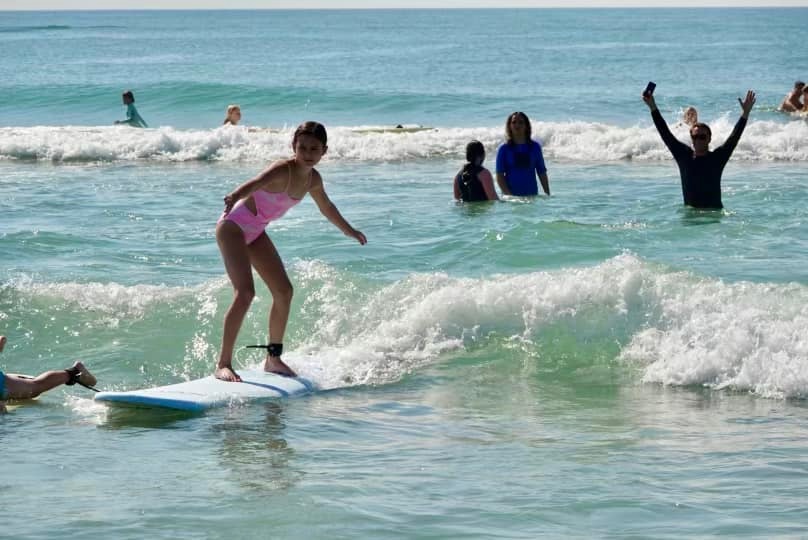
Soft sandbars, gentle rights, and a Lowcountry tempo make Pawleys Island an approachable surf destination—ideal for longboarders, learners, and anyone after salt-sweet mornings and wide, forgiving beaches. This guide zeroes in on surf-specific terrain, seasonal swell patterns, local access, and how to plan a trip that balances waves with coastal paddling, birding, and Lowcountry hospitality.

8
Activities
Spring–Fall (mild year-round conditions)
Best Months

Top Surf Trips in Pawleys Island

8 trips • Book with confidence • Instant confirmation

Why Pawleys Island Is a Standout Surf Destination

Pawleys Island is surf that arrives without pretense. The island and its neighboring strand—part of the gentle South Carolina coast—offer a surf experience defined less by dramatic, hurricane-driven peaks and more by a slow, dependable rhythm: long, rolling sets that favor nose riders, cruisers, and anyone learning to read a sandbar. Tides and shifting bars craft quick little peaks along the shoreline; when wind and swell line up in spring and fall, those modest peaks can stretch into long, forgiving rides that reward timing and board control rather than brute power.

But surfing here is also a cultural and environmental story. The beach sits within a living Lowcountry: tidal creeks, maritime forests, and salt marshes braid into the shoreline. That landscape shapes not just the swell but how locals move through this place—kayaks at dawn, shrimpers and clammers at noon, seaducks following high tide. Understanding Pawleys means reading the subtle cues of marsh water color, wind direction, and when the incoming tide will turn a flat day into something rideable. It also means recognizing the island’s quiet social rhythm. Crowds rarely resemble the crowds off nearby Myrtle Beach on a summer holiday; instead, you’ll find a small, steady set of local longboarders and families who prize etiquette and a slower pace.

For the traveling surfer, Pawleys Island is practical in equal measure to poetic. Access is straightforward—public beachwalks and state-maintained parking punctuate the shoreline—and surf schools dot the nearby Litchfield and Garden City stretches for learners. Complementary activities are woven into a surf trip here: paddleboard tours through tidal creeks, birding along North Inlet, and evening low-country seafood that tastes like the sea you just left. Environmentally, the area responds quickly to heavy weather—storm tides reshape bars and beaches—so plan with flexibility. Respect for nesting seasons, marked dunes, and local stewardship groups keeps the coastline rideable for everyone. In short, Pawleys Island delivers surf that is approachable, scenic, and intimately connected to place—perfect for a relaxed surf pilgrimage that pairs long rides with Lowcountry calm.

The wave profile: generally small to medium, favoring longboards and cruisers; sandbars create peaky rides after swell events.

Crowds and culture: low to moderate visitation with a local focus on etiquette and family-friendly lineups.

Complementary experiences: SUP paddles in creeks, surf lessons, coastal birding, fishing charters, and scenic Marshwalks nearby.

Activity focus: Surfing and longboarding with beginner-friendly waves
Number of dedicated surf experiences listed: 8
Typical swell direction: SSW to W (best when onshore wind is light or offshore NE)
Tides matter: incoming tides often make sandbars more rideable
Nearby services: surf shops and lesson providers in Litchfield Beach and Murrells Inlet

Best Time to Visit

Best Months

AprilMaySeptemberOctober

Weather Notes

Spring and fall deliver the most consistent winds and swell patterns for surf; summers are warm with lighter, often glassy mornings but smaller swell; hurricane season (June–November) can produce both excellent swells and disruptive storm impacts—check forecasts and local advisories.

Peak Season

Late spring and early fall—pleasant temps and favorable swell alignment draw the most surfers and beachgoers.

Off-Season Opportunities

Summer mornings can be ideal for learners and families due to warm water and gentler waves. Winter brings solitude and occasional cold-front south swells; board choice and wetsuit planning become more important.

Frequently Asked Questions

Are there reliable surf schools or rentals nearby?

Yes—Litchfield Beach and Murrells Inlet have several surf schools and rental shops offering lessons, board rentals, and guided SUP tours. Contact providers in advance during peak months.

Do I need to worry about rip currents or shark encounters?

Rip currents can occur, especially near jetties and cuts—learn to spot them and ask locals about conditions. Shark encounters are rare; standard precautions (avoid dawn/dusk in murky water, don't swim near baitfish) are sensible.

Is parking and beach access easy for surf days?

Public beach accesses and municipal parking are spaced along the strand; some areas fill on holiday weekends. Arrive early for prime parking and quieter lineups.

Choose Your Experience Level

Beginner

Gentle, shoulder-to-waist-high waves on forgiving sandbars—ideal for learners working on pop-ups, trim, and longboard technique.

  • Group surf lesson with a local school
  • Longboard practice during small summer swells
  • SUP or foamboard rental for sheltered paddle sessions

Intermediate

Rides lengthen in spring/fall; intermediate surfers can work on turns, trimming, and small-section maneuvers when the tide and swell align.

  • Midlength or single-fin sessions on reforming sandbars
  • Exploring nearby point breaks and jetty-influenced peaks
  • Early-morning glass-off sessions followed by tidal creek paddles

Advanced

Less frequent big-swell days can reward advanced surfers with faster, hollow sections near jetties and inlet shoulders; reading tides and currents is key.

  • Hunt for south-swell sandbar peaks after weather systems
  • High-tide barrel attempts near structure (seasonal and conditional)
  • Connecting longer rides down the shoreline on strong, clean swells

Insider Tips & Local Knowledge

Check local surf reports, tide charts, and the South Carolina beach access maps before you go.

Start sessions on the incoming tide—many of Pawleys’ best sandbar rides form as the water climbs. Speak with local shop owners or lifeguards for current bar locations and wind trends; they’ll often point you to quieter accesses. Respect marked dune areas and nesting signs—bird and turtle seasons require keeping a distance from roped-off stretches. If you’re new to Lowcountry conditions, plan for variable winds: mornings are often calm with onshore seabreezes building by midday. Combine surf sessions with a late-afternoon paddle through tidal creeks for a different perspective, and time evening meals at local seafood spots—fresh-caught shrimp and oysters are part of the coastal rhythm here.

What to Bring

Essential

  • Board suited to small, soft waves (longboard or midlength recommended)
  • Leash and wax appropriate for water temperature
  • Rashguard or thin wetsuit (fall/spring); summer trunks preferred
  • Water, sunscreen, and a wide-brim hat for shore breaks
  • Basic first-aid kit and a phone in a waterproof case

Recommended

  • Fins tuned for glide and stability (single or 2+1 setups for longboards)
  • Wetsuit top or 1–2mm springsuit for cool mornings in spring/fall
  • Small towel and change of clothes in a dry bag
  • Portable pump for inflatable SUPs and a roof-saver for board transport

Optional

  • Compact surf hat or hood for extra sun protection
  • Binoculars for birding along North Inlet
  • Beach umbrella or pop-up shade for long shore sessions
  • GoPro or compact camera to capture longboard lines

Ready for Your Surf Adventure?

Browse 8 verified trips in Pawleys Island with instant booking

Explore Top 15 Pawleys Island, South Carolina Adventures →