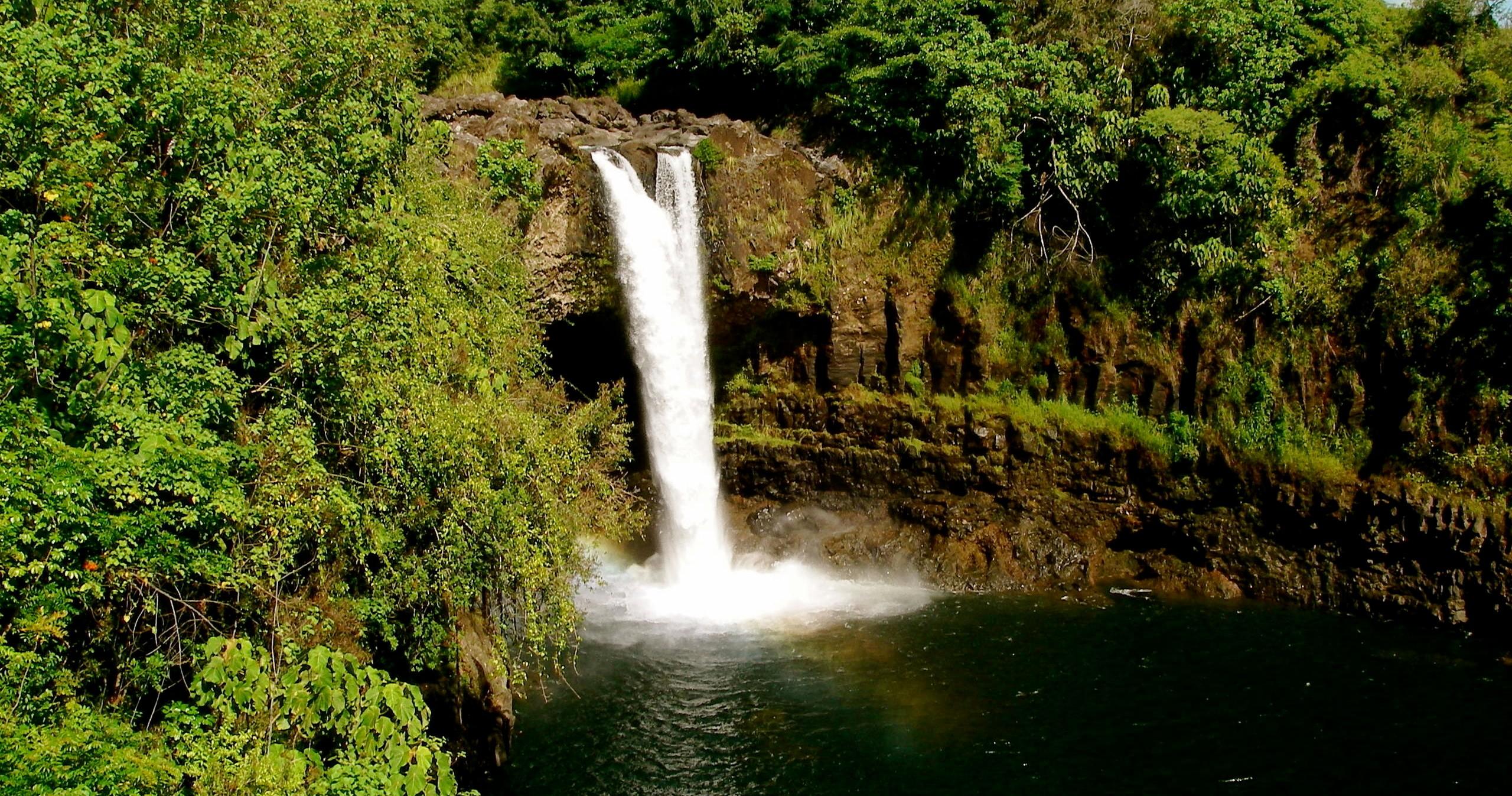
Top 8 Zipline Adventures in Pāpa‘ikou, Hawaii
Ribbons of steel threaded through emerald valleys make Pāpa‘ikou one of Hawaiʻi Island’s most exhilarating places to fly. This guide focuses on zipline experiences that drop you over steep gulches, skirt waterfalls, and offer a rare vantage on a coastline shaped by volcanic soil, trade winds, and ancient Hawaiian land use. Whether you want a family-friendly canopy circuit or a full-throttle multi-line adventure with aerial bridges and rappels, Pāpa‘ikou’s ziplines combine scenery, safety, and cultural context for an unforgettable half-day or full-day outing.
Top Zipline Trips in Pāpa‘ikou
8 trips • Book with confidence • Instant confirmation
Why Pāpa‘ikou Is a Standout Zipline Destination
Perched on the windward flank of Hawaiʻi Island’s Hāmākua Coast, Pāpa‘ikou offers a zipline experience that reads like a condensed tour of the island’s dramatic microclimates. The lines here thread through a patchwork of tropical rainforest and reforested pasture, down steep ravines carved by frequent rain, and along coastal bluffs where the ocean hints at itself through the trees. That proximity of sea, valley, and native flora makes for a sensory-rich ride: the sound of surf caught between palms, the scent of wet earth and ʻōhiʻa blossom, and the immediate, vertiginous view of vertical terrain few other island adventures can match.
Zipline operators in Pāpa‘ikou lean into that diversity. Small, locally run outfitters often pair canopy runs with interpretive moments—talks on watershed health, introductions to endemic plants, or stops near historical features of the land division (ahupuaʻa) system that structured Hawaiian life for centuries. More adventure-forward companies layer in technical elements: long high-lines that cross dramatic gulches, timber sky-bridges that connect platforms, and optional rappels for guests who want a full vertical-play day. The result is a spectrum of experiences: gentle, family-oriented circuits that emphasize storytelling and scenery; adrenaline-first lines for those chasing speed and height; and mixed-activity itineraries that combine ziplines with waterfall hikes, ATV shuttles, or cultural farm visits.
Practical advantages make Pāpa‘ikou notable, too. The area’s proximity to Hilo (a short drive down the coast) makes it accessible for visitors staying in east-side towns; yet the rides feel remote because the terrain drops away so quickly. Trade winds can create exhilarating tailwinds on exposed lines, but the same winds—plus frequent tropical downpours—mean operators emphasize weather contingency plans and robust safety systems. Environmentally, many providers are involved in local conservation or land stewardship partnerships; ziplines in the area are often designed to minimize forest impact by using existing clearings and elevated platforms rather than large-scale clearing. For travelers seeking an aerial perspective that’s as educational as it is thrilling, Pāpa‘ikou’s ziplines deliver a compact, high-impact slice of Hawaiʻi’s natural and cultural landscape.
Variety of experiences: From short, family-friendly canopy tours to long, high-speed lines that traverse deep gulches, operators in Pāpa‘ikou tailor runs to different comfort levels and time windows.
Local context adds depth: Many tours include cultural interpretation, native-plant orientation, or paired activities like waterfall hikes and farm visits to round out the aerial experience.
Best Time to Visit
Best Months
Weather Notes
Pāpa‘ikou sits in a wetter zone of the Hāmākua Coast; mornings can be calm and misty with showers building in the afternoon. Trade winds are strongest in winter months and can affect line comfort and scheduling. Many operators run year-round but monitor conditions closely.
Peak Season
Holiday windows and summer travel weeks draw the most visitors; weekends in Hilo and the Hāmākua Coast are busier.
Off-Season Opportunities
Wet-season months may offer reduced crowds and flexible booking windows—expect more rescheduling but sometimes lower demand for prime time slots.
Frequently Asked Questions
Do I need previous experience to go ziplining in Pāpa‘ikou?
No. Most companies provide full safety briefings and guided runs for beginners. They’ll fit your harness, instruct on braking and body position, and staff the lines with trained guides. If you have mobility limitations, contact the operator in advance to confirm accommodations.
Are zipline tours safe?
Operators use industry-standard harnesses, helmets, and redundant lines, and guides are trained in rescue and emergency procedures. Safety practices vary by company—ask about guide certifications, equipment inspection routines, and weather policies before booking.
Are there weight or age restrictions?
Restrictions vary by operator. Do not assume universal limits—check each provider for their minimum age, maximum and minimum weight guidelines, and whether single vs. tandem flights are allowed.
Choose Your Experience Level
Beginner
Short, low-to-moderate elevation lines focused on scenery and comfort—ideal for families, first-time flyers, and guests who prefer a steadier pace.
- Canopy loop with multiple short lines
- Introductory course paired with a guided nature walk
- Family-friendly circuit with photographic stops
Intermediate
Longer lines that cross small valleys and include faster runs; may incorporate aerial bridges or optional short rappels.
- Multi-line course spanning gulches
- High-speed run with panoramic coastal views
- Combination zipline and waterfall hiking package
Advanced
High-adrenaline itineraries featuring the longest lines, significant heights, and technical elements like rappel exits or cliffside platforms—recommended for experienced adventurers comfortable with exposure.
- Full-day zipline circuit with extended high-lines
- Mixed adventure combining ziplines, rappels, and off-trail hiking
- Sunrise or sunset flights timed for dramatic light (subject to operator availability)
Insider Tips & Local Knowledge
Operators prioritize safety and local stewardship—confirm logistics and weather policies in advance.
Book morning time slots to avoid the heaviest afternoon showers and enjoy calmer winds. Wear clothes that can handle humidity and a little mud if your experience includes a hike. Ask about operator partnerships with local farms or cultural practitioners—many tours include short interpretive stops that enrich the aerial experience. If you’re traveling with kids, inquire about family runs and whether tandem flights are offered for smaller riders. Finally, bring a small tip for guides if the service is exceptional; they often steward both the equipment and the storytelling that makes the tour memorable.
What to Bring
Essential
- Closed-toe shoes with good grip (no sandals)
- Light waterproof jacket or windbreaker
- Reusable water bottle (many operators supply water stations)
- Photo ID and any confirmation or waiver paperwork
- Sun protection: hat, sunscreen, and sunglasses with a strap
Recommended
- Light long-sleeve layer to prevent harness chafe
- Small daypack or waist pack for personal items
- Motion-sickness prevention if you’re sensitive to height/speed
- Quick-dry clothes that can handle humidity and occasional mist
Optional
- Action camera with secure harness or chest mount (confirm operator policy)
- Gloves for extra grip and warmth on cooler windy days
- Binoculars for bird and coastline viewing during platform stops
Ready for Your Zipline Adventure?
Browse 8 verified trips in Pāpa‘ikou with instant booking
Explore Top 15 Pāpa‘ikou, Hawaii Adventures →