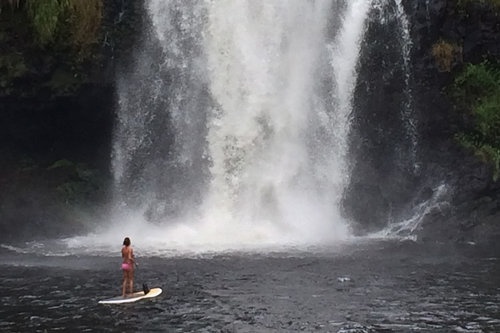
Top Water Activities in Pāpaʻikou, Hawaii
Rugged lava coastline and churning Pacific swells frame Pāpaʻikou’s seaside character, but the real story is the intimate variety of water experiences packed into a small stretch of Hawaiʻi Island. From sheltered tidepools that cradle vibrant tide life to nearby surf breaks that attract local board riders when the winter groundswell arrives, Pāpaʻikou invites travelers to engage with the ocean in both gentle and wild ways. This guide focuses on the water-based adventures you can realistically add to a day or a weekend—snorkel spots and tidepool excursions, shore fishing and boating options accessed from Hilo, surf observations, seasonal whale-watching opportunities, and practical pointers for paddling or swimming along uneven, rocky shores.
Top Water Activities Trips in Pāpaʻikou
19 trips • Book with confidence • Instant confirmation
Why Pāpaʻikou Is a Standout Water Activities Destination
Pāpaʻikou sits on the Hāmākua Coast, a windward stretch of Hawaiʻi Island where black lava rock meets an often-restless ocean. Here, water access feels intimate rather than resort-scale: small pullouts, informal trailheads, and a scattering of natural tide pools create a patchwork of micro-destinations for swimmers, snorkelers, anglers, and paddlers. The volcanic shoreline shapes conditions—sheltered pockets offer glassy water perfect for observing reef fish, while exposed points funnel swell energy into surfable waves and dramatic shore breaks. That contrast is the asset. You can spend an hour exploring tide pools and watching hermit crabs, then, with local guidance or careful timing, paddle out to a quieter bay or time a shoreline vantage point for migrating humpbacks.
Practical considerations define the experience here. There are few developed beach parks directly in Pāpaʻikou; access often means careful scrambling over uneven basalt or stepping down short informal trails. For safety and comfort, read the surf and swell reports, check local tide charts, and treat the ocean with respect—rip currents and sudden drop-offs can form off lava shelves. When conditions are calm, snorkeling reveals surprisingly healthy reef pockets and schooling reef fish close to shore. During the winter season, swells build across the North Pacific and nearby Hilo-facing breaks light up; these periods offer spectacle more than casual swimming. Conversely, summer months usually present the most consistent, gentle water for paddleboarding and family-friendly snorkeling. Regardless of season, the cultural and ecological context is compelling: the shoreline and offshore waters have long sustained local communities through fishing and cultural practices, and being mindful of that living relationship—minimizing footprint, honoring access points, and prioritizing reef-safe sunscreen—deepens the visit.
Variety at close range: sheltered tidepools, lava rock coves, and access to broader Hilo Bay opportunities mean you can switch activities based on conditions and energy.
Seasonal rhythm matters: summer is calmer and friendlier for snorkeling and paddling; winter drives bigger surf and whale-watching windows. Local knowledge is invaluable for safe access.
Best Time to Visit
Best Months
Weather Notes
Summer months typically bring smaller, more predictable trade-wind conditions on the windward coast, making snorkeling, SUP, and shore swimming more accessible. Winter months (roughly November–March) increase swell size and frequency—excellent for experienced surfers and whale watching but less predictable for swimmers. Rain can be localized; check short-term forecasts before heading out.
Peak Season
Summer and holiday periods see more recreational visitors and higher demand for rentals in Hilo.
Off-Season Opportunities
Winter offers memorable whale-watching from shore and dynamic surf viewing. Weekdays in shoulder seasons yield quiet tidepools and better chances of solitary shoreline exploring.
Frequently Asked Questions
Are there safe places to snorkel directly in Pāpaʻikou?
Yes—there are sheltered pockets and tidepool areas better suited for snorkeling when seas are calm. Access is often rocky and shallow; choose entry points with clear water and avoid days with strong swell or runoff after heavy rain.
Do I need to rent gear in Hilo or bring my own?
Basic gear rentals (snorkel sets, SUPs, kayaks) and guided trips are available in Hilo. If you prefer convenience and know your size, bringing personal gear ensures fit and familiarity.
Is whale watching possible from shore?
Yes—during the winter migration (roughly December–April), humpback whales can be observed from coastal vantage points. Binoculars improve the experience; guided boat tours depart from Hilo for closer encounters.
Choose Your Experience Level
Beginner
Calm, sheltered tidepools and short, guided snorkel sessions in protected coves. No technical skills required but basic comfort in the water is necessary.
- Tidepool exploration at low tide
- Short guided shore-to-reef snorkel
- Stand-up paddle near calm coves
Intermediate
Longer snorkel outings, paddleboarding in exposed conditions, or short coastal fishing from rock ledges. Requires comfort with swell and reading basic ocean conditions.
- Paddleboard along protected stretches of coastline
- Half-day kayak or SUP trip from Hilo to quieter bays
- Shore fishing from lava benches with appropriate footwear
Advanced
Ocean paddling in variable swell, surf zone entries, or independent boat outings that require advanced navigation, local knowledge, and strong ocean skills.
- Open-water paddling along Hāmākua headlands
- Surfing exposed winter breaks (local conditions and etiquette advised)
- Independent offshore fishing or guided spearfishing with experienced operators
Insider Tips & Local Knowledge
Respect access points, watch local conditions, and give priority to safety and reef protection.
Talk to locals or operators in Hilo before tackling exposed shore entries—conditions can differ wildly over short distances. Wear reef-safe sunscreen and avoid stepping on coral; life on the rocky shore is fragile. If you don’t see a clear, gentle entry, don’t force it—move down the coast to a safer spot. For whale season, sunrise and late afternoon often give the best light and activity. Bring cash for small parking areas and be prepared for minimal facilities—trash carries out and leave-no-trace practices are the norm. When in doubt, book a guided snorkel, paddle, or fishing trip from Hilo: guides know the micro-conditions and can maximize safety and wildlife viewing.
What to Bring
Essential
- Sturdy water shoes or reef booties for volcanic rock and uneven shore entries
- Snorkel mask and reef-safe sunscreen
- Quick-dry layers and a waterproof bag for electronics
- Tide and surf report downloaded or printed
- Personal flotation (PFD) for paddling or uncertain swimming conditions
Recommended
- Light wetsuit or rashguard for cooler water and abrasion protection
- Surface flag or float for snorkelers in areas with boat traffic
- Waterproof first-aid kit and a whistle
- Local tide chart app and a compact snorkel guide to identify fish
Optional
- GoPro or compact underwater camera
- Lightweight, collapsible fishing rod for shore fishing
- Binoculars for whale and seabird spotting
Ready for Your Water Activities Adventure?
Browse 19 verified trips in Pāpaʻikou with instant booking
Explore Top 15 Pāpaʻikou, Hawaii Adventures →