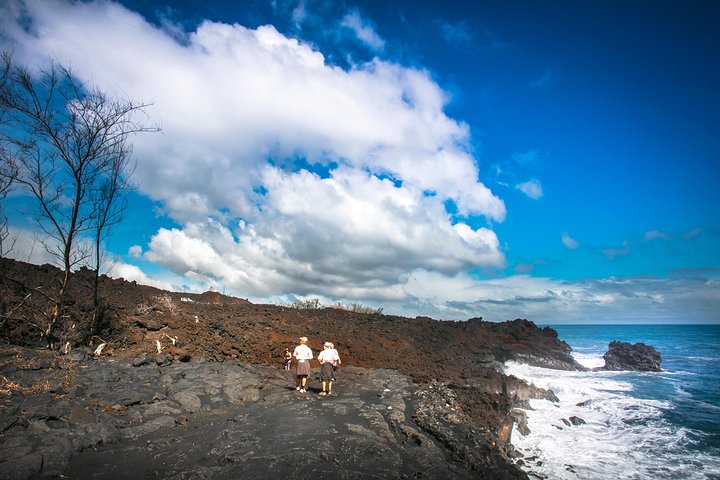
Top Bus Tours in Pāpa‘ikou, Hawaii
Pāpa‘ikou sits on the lush Hamakua Coast, where steep, fern-lined cliffs spill into the Pacific and waterfalls tumble through old-growth gulches. Bus tours here are less about fast travel and more about composed storytelling: a slow-moving window seat that stitches together coastal panoramas, dramatic waterfalls, and small-community stops for fresh fruit, taro patches, and historic markers. These tours suit travelers who want landscape context, easy access to short hikes and viewpoints, and an introduction to the island’s ecology and culture without the logistics of driving narrow coastal roads themselves.
Top Bus Tour Trips in Pāpa‘ikou
11 trips • Book with confidence • Instant confirmation
Why Pāpa‘ikou Is a Standout Bus Tour Destination
Driving the Hamakua Coast by bus feels like reading a long, illustrated chapter of the island: each mile reveals a new passage — a waterfall hidden in old-growth trees, a black-sand cove, a white church tucked into a verdant gulch, and roadside stands selling ripe mango and sweet bread. In Pāpa‘ikou the landscape is compact but intensely varied; dense rainforest cliffs rise right out of the ocean and the road threads through a pattern of gulches, tunnels of ironwood, and cultivated terraces. For travelers who prize narrative framing as much as scenery, a guided bus tour is the ideal vehicle: a local driver-guide can pause at viewpoints, point out indigenous plants and taro lo‘i, and lay out the layered history of plantation-era towns and Hawaiian cultural sites that slip by a private driver.
Bus tours also democratize access. Many of the coast’s best vantage points sit on narrow shoulders or require short, well-graded walks—conditions that are easier to manage when a tour company handles parking permits, shuttle logistics, and timed entries to popular stops like Akaka Falls. Operators in the region tailor their itineraries to different appetites: some focus on gentle, photo-friendly stops and cultural demonstrations; others pair bus transport with brief hikes into rainforest trails, visits to botanical gardens, or farm tours that include tastings. For photographers and daylight-minded travelers, the rhythm of an organized tour keeps the day efficient: you spend less time hunting for parking or worrying about local driving etiquette and more time watching surf patterns, scanning for seabirds, and listening to the islands’ layered stories.
Finally, the environmental and seasonal context matters. Pāpa‘ikou and the surrounding Hamakua Coast receive frequent trade-wind rain, which keeps waterfalls dramatic but also means slick roadside shoulders and muddy short-trail approaches after heavy storms. Bus tours are particularly useful in wetter months because they reduce wear on fragile roadside pullouts and concentrate visitor impact through operators who know the best, sustainable stopping points. Complementary activities—short waterfall walks, garden visits, coffee- and macadamia-nut farm stops, and occasional boat-based whale-watching in the winter months—pair naturally with a bus itinerary. For visitors who want an immersive but low-effort encounter with Hawaii Island’s east coast, a bus tour through Pāpa‘ikou provides context, comfort, and curated access to some of the Hamakua Coast’s most memorable scenes.
The compact geography of the Hamakua Coast makes bus tours especially efficient: you can experience multiple waterfalls, coastal lookouts, and cultural sites in a half- to full-day itinerary without juggling parking or unfamiliar narrow roads.
Local guides add depth—explaining native plants, plantation history, and Hawaiian place names—and many operators coordinate short walks or gentle hikes that let you step off the bus and into the landscape.
Because the coastline is wet and verdant, tours are seasonally flexible: wet months amplify cascades and botanical color, while drier spells produce clearer coastal light and calmer seas for complementary ocean activities.
Best Time to Visit
Best Months
Weather Notes
The Hamakua Coast is influenced by trade winds and frequent showers. Winter months bring more rain but also larger waterfalls; late spring and early fall often balance lower crowds with pleasant weather. Mornings can be misty, clearing into bright afternoons.
Peak Season
December through March and summer holiday periods attract more visitors—book tours in advance.
Off-Season Opportunities
Wet months (late fall through winter) offer dramatic waterfalls and quieter roadside stops; operators can route around storm closures when necessary.
Frequently Asked Questions
Are bus tours wheelchair accessible?
Many established operators run accessible coaches or vans, but accessibility varies by company and by specific stop. Contact the operator before booking to confirm vehicle type and which viewpoints are accessible.
How much walking is required during a typical tour?
Walking ranges from minimal (short paved viewpoints and roadside pullouts) to moderate (brief, uneven trails to waterfall overlooks). Most tours will note required walking distance and difficulty—choose an itinerary that matches your mobility.
Do bus tours run in all weather?
Tours generally operate year-round, but heavy rains or storm conditions may alter itineraries or lead to cancellations. Operators will rebook or refund in cases of unsafe conditions; pack rain protection and flexible expectations.
Choose Your Experience Level
Beginner
Ideal for travelers seeking panoramic coastal views and curated cultural context without strenuous activity—short walks and easy boardings.
- Coastal scenic drive with multiple photo stops
- Botanical garden visit with paved paths
- Short viewpoints and cultural storytelling sessions
Intermediate
For travelers comfortable with short hikes and uneven terrain; tours will include brief trail walkouts, waterfall overlooks with steps or slick surfaces, and farm visits with light walking.
- Short waterfall trail (under 1 mile roundtrip)
- Farm visit with tasting and light walking
- Combined bus-and-shoreline walking stops
Advanced
Designed for active travelers who want to combine bus transport with longer hikes or multi-activity days—expect off-bus excursions, longer trail sections, or active local experiences.
- Bus to a trailhead for a multi-mile coastal hike
- Full-day combo tours that pair hiking and snorkeling or cultural immersion
- Exploratory tours with multiple short, steep trail sections
Insider Tips & Local Knowledge
Confirm pickup details, walking requirements, and accessibility before booking. Weather can change quickly—expect localized showers even on otherwise clear days.
Choose morning departures for clearer light and calmer seas; afternoons can layer in trade-wind clouds. Sit on the ocean-side of the vehicle for the best continuous coastal views and listen for place-name pronunciations—local guides often share Hawaiian-language context that changes how you see the landscape. Bring cash for small roadside producers; many vendors are cash-preferred. If you’re prone to motion sickness, select an operator with frequent stops and ventilation, and consider sitting near the front where motion is less noticeable. Finally, be mindful of fragile roadside ecosystems: stay on designated paths during stops and follow your guide’s instructions to minimize impact on native vegetation and cultural sites.
What to Bring
Essential
- Light rain jacket or packable shell
- Camera or phone with a charged battery
- Motion-sickness remedies if you’re prone to motion sickness
- Reusable water bottle
- Insect repellent
Recommended
- Layered clothing (mornings can be cool, mid-day warm)
- Comfortable shoes for short walks (closed-toe recommended)
- Sunglasses and reef-safe sunscreen
- Small daypack for personal items
Optional
- Binoculars for seabirds and coastal views
- Small umbrella for sudden showers
- Cash for roadside stands and tip for your guide
Ready for Your Bus Tour Adventure?
Browse 11 verified trips in Pāpa‘ikou with instant booking
Explore Top 15 Pāpa‘ikou, Hawaii Adventures →