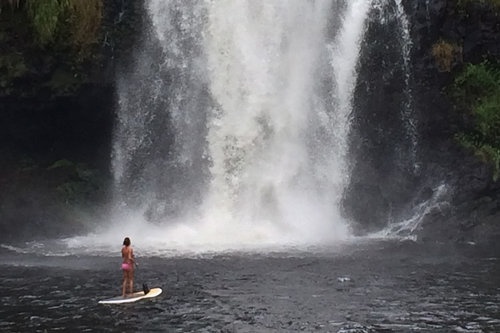
Top Water Activities in Papaikou, Hawaii
Papaikou sits on the lush, rain-fed eastern flank of Hawaiʻi Island where rainforest meets a rugged coastline. For water lovers it’s a study in contrasts: calm, protected coves that invite snorkeling and stand-up paddleboarding sit a short drive from surf-battered headlands and exposed tidepools teeming with marine life. This guide focuses on water activities—how to read currents, where to chase clear-water snorkeling windows, and how to match seasonal opportunities like whale watching or big winter surf to skill level and interests.
Top Water Activities Trips in Papaikou
19 trips • Book with confidence • Instant confirmation
Why Papaikou Is a Standout Water Activities Destination
Papaikou’s shoreline is a study in subtle variety: pockets of sheltered coast that offer glassy mornings for floating over coral gardens, and jagged lava benches that funnel winter swell into thundering shorebreak. The town itself is small, but its proximity to Hilo Bay and the Hāmākua Coast makes it an excellent base for water-centric itineraries. The area’s frequent rain keeps coastal waters nutrient-rich; that encourages reef productivity and draws reef fish, octopus, and the honu (green sea turtle) into nearshore zones where visitors can observe them without long boat runs.
What defines water activity in Papaikou is seasonality. Summer months and late spring usually bring lighter trade winds and calmer seas—ideal windows for snorkeling, stand-up paddleboarding, and casual sea-kayaking. In contrast, winter storms from the north and northeast can build long-period swell that transforms exposed points into playgrounds for experienced surfers and bodyboarders. Whale season, when humpbacks migrate through Hawaiian waters, overlays the winter calendar and creates a rare opportunity for shore-based whale watching as well as guided boat trips departing from Hilo.
Beyond the pure action, there’s a cultural and environmental thread to every ocean outing here. The coastline near Papaikou is dotted with small-scale ahupuaʻa traditions—ancient land and sea management practices still reflected in the way locals fish, harvest limu (seaweed), and interact with reef habitats. That cultural context reinforces a practical ethic: respect the reef, carry reef-safe sunscreen, and observe wildlife quietly. Many of the best experiences—postcard snorkeling in protected coves, slipping into tidepools at low flow, or timing a paddle to meet a calm morning—require reading tides, swell, and wind. Local operators and seasoned residents have an intuitive feel for these patterns; hiring a guide for your first outings accelerates learning and improves safety.
The logistics of getting on the water from Papaikou are straightforward: short drives place you at sheltered coves and access points. Public access is limited in spots by narrow roadside shoulders and rocky approaches, so plan for modest walks and step-overs. Equipment can be rented in nearby Hilo, though many adventurers bring their own masks, snorkels, and fins to guarantee fit and performance. For travelers who want a single, concentrated water-adventure base—snorkeling, paddle-surf, wave-watching, and seasonal whale encounters—Papaikou’s intimate coastline and easy access to the broader Hilo corridor make it an unexpectedly rich option that rewards curiosity, timing, and a bit of local knowledge.
Small coves and nearshore reefs create reliable snorkel windows—especially during late spring and early fall when swell and wind are moderate.
Winter opens the coastline to bigger surf and whale migration; both are spectacular but require respect for ocean conditions and experience-based judgment.
Local knowledge matters: tide charts, recent swell reports, and guidance from Hilo-based outfitters will improve safety and the quality of your outings.
Best Time to Visit
Best Months
Weather Notes
Papaikou experiences trade winds most of the year; these typically blow from the northeast and can pick up in the afternoon. Late spring and early fall often provide the calmest windows for clear snorkels and easy paddles. The rainy season (roughly November–March) increases runoff and can reduce visibility near shore; however, winter also brings big surf and whale migration.
Peak Season
December–March for whale watching and winter surf; summer months see increased tourism and calmer seas for snorkeling.
Off-Season Opportunities
Shoulder seasons (spring and fall) often offer the best balance of calmer water, fewer crowds, and pleasant weather. Winter weekdays can provide dramatic surf viewing but require advanced skill for in-water participation.
Frequently Asked Questions
Do I need permits for snorkeling or paddleboarding?
Most shore-based snorkeling and paddleboarding access does not require permits, but local rules can restrict access at certain cultural sites or private properties—always use marked public access points and respect signage.
Are there safe places to swim for families?
Yes—look for protected coves and reef-fringed bays with minimal current during calm conditions. Even in sheltered spots, supervise children closely and enter slowly to check for surge and hidden rocks.
When is humpback whale season?
Humpback whales typically migrate through Hawaiian waters from about December through April. Shore-based sightings are possible, though guided boat trips from nearby harbors increase the likelihood of close views.
Choose Your Experience Level
Beginner
Calm, protected coves and sheltered bays are ideal for first-time snorkelers, SUP beginners, and families; these outings require minimal ocean experience but benefit from basic comfort in the water.
- Short sheltered-cove snorkeling session
- Guided stand-up paddleboard lesson in protected water
- Tidepool exploration at low tide
Intermediate
Participants should be comfortable in open water and able to handle mild currents and cross-currents. Activities may involve longer paddles, modest surf entries, or guided boat-assisted snorkeling.
- Nearshore reef snorkeling with moderate boat or shore approach
- Sea-kayak along the Hāmākua coast (day trips)
- SUP downwind paddling on light-trade-wind days
Advanced
Advanced outings demand strong ocean skills and surf knowledge—reading swell, timing entries across shorebreak, and handling rough water and currents.
- Surfing exposed points on winter swells
- Long coastal sea-kayak crossings in variable conditions
- Guided freediving or advanced reef exploration in deeper water
Insider Tips & Local Knowledge
Conditions change quickly—check wind, swell, and recent runoff before heading out. Local guides and outfitters can save time and reduce risk.
Start water activities in the morning when trade winds are typically lighter and surface conditions calmer. Consult tide charts: low tide reveals tidepools but can expose sharp lava benches; high tide may improve entry for some reef snorkels. Use reef-safe sunscreen and avoid standing on coral—both protect fragile ecosystems and improve your chances of seeing healthy marine life. If you plan to boat or join a charter from Hilo, book in advance during whale season. For surfing, watch sets from shore before committing; channel currents and shorebreak can be hazardous. Finally, pack layers: even short sessions on the water are more comfortable with a light wetsuit or rashguard for UV and chill protection.
What to Bring
Essential
- Reef-safe sunscreen (cream or mineral—no oxybenzone)
- Mask, snorkel, and fins (proper fit improves safety and sightings)
- Hydration and quick snacks
- Light wetsuit or rashguard (water temps and comfort vary)
- Towel and waterproof bag for electronics
Recommended
- Water shoes or reef booties for rocky entries
- Hat and UV-protective clothing for long exposure
- Dry bag for car keys and phone
- Tide table app or local tide chart
- Basic first-aid supplies
Optional
- Underwater camera or action-cam
- Compact snorkeling float or surface marker buoy when soloing
- Binoculars for shore-based whale watching
Ready for Your Water Activities Adventure?
Browse 19 verified trips in Papaikou with instant booking
Explore Top 15 Papaikou, Hawaii Adventures →