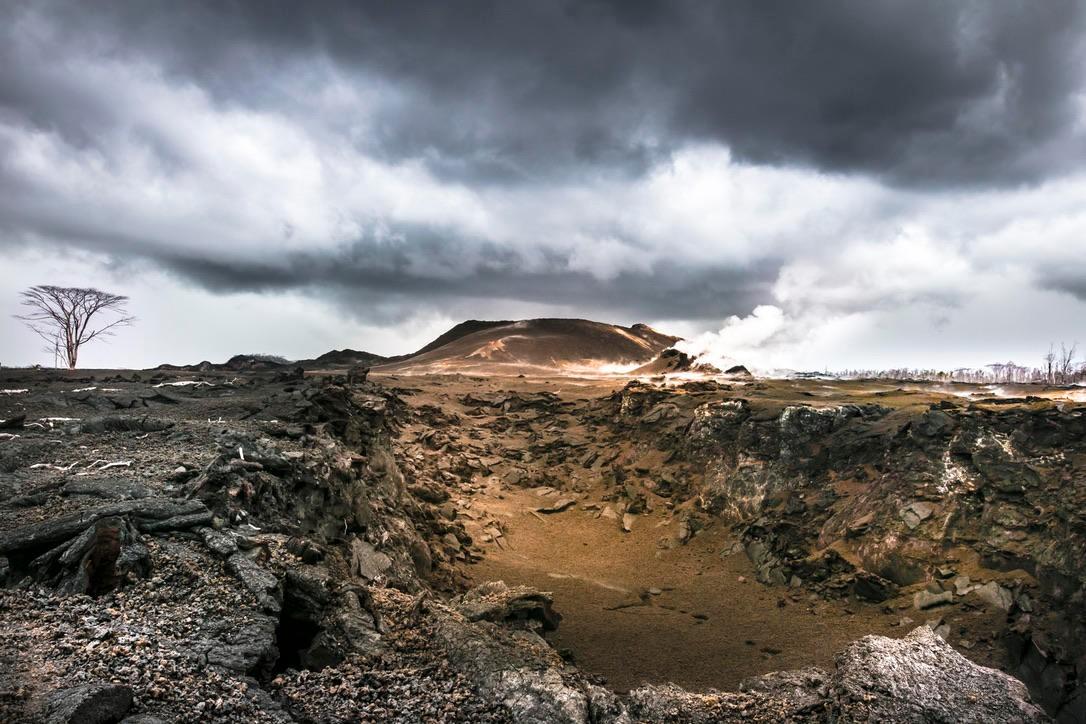
Top Photography Tours in Papaikou, Hawaii

Papaikou, Hawaii

Papaikou is a compact pocket of Hilo‑side rainforest, coastal cliffs, and cultivated gardens that reads like a photographer’s mood board: saturated greens, mist‑soft light, and sudden coastal panoramas. This guide focuses on photography tours—small‑group and private outings that take you to botanical corridors, waterfall ledges, tidepools, and the lava‑shaped coastlines near Hilo—plus practical guidance for timing, gear, and how to protect equipment in a wet, tropical microclimate.

14
Activities
Year-Round (best morning light; afternoons are often wetter)
Best Months

Top Photography Tour Trips in Papaikou

14 trips • Book with confidence • Instant confirmation

Why Papaikou Is a Standout Photography Tour Destination

Papaikou sits where rainforest meets reef and where human‑tended horticulture blends seamlessly with wild, fern‑lined gullies. For a photographer, that mix is everything: you can work intimate macros among orchids and heliconias in the Hawaii Tropical Botanical Garden, then drive five minutes to a coastline of black rocks and Pacific swells where long exposures and silhouette studies reward the patient eye. The light here tends to be gentle rather than harsh—the trade winds and frequent cloud bands produce a diffused glow that flatters foliage and gives waterfalls a silken look without the brutal contrast of mid‑day desert sun. That’s one reason photography tours in Papaikou skew toward morning and late‑afternoon departures: dawn often delivers calm seas and rising mist, while afternoons bring quick, dramatic showers and changing skies that can electrify a composition.

Beyond the aesthetic, Papaikou is logistically friendly. Distances between top shoots are short, so tours can pack variety into a half‑day: botanical close‑ups, cascades with long exposures, coastal panoramas, and street‑level cultural portraiture in nearby Hilo markets. Guides familiar with the microclimates and tides shorten the learning curve—knowing which gulch will hold soft light at sunrise, which tidepools reveal reflective surfaces at low tide, and where private property transitions demand respectful distance. That local knowledge makes the difference between a snapshot and a confident frame.

Environmental conditions shape the photographic opportunities more than any single landmark. Rain swells waterfalls and deepens greens; low cloud can dramatize cliffs with veils of mist; and a sudden clearing can turn a stormy scene golden. For photographers this variability is an asset if you're prepared: rain protection for gear, fast memory card rotation, and a mindset ready to pivot between macro, landscape, and coastal work. Complementary activities—short hikes to viewpoints, snorkeling for underwater photo ops on clearer days, and seasonal whale‑watching cruises from Hilo—extend the creative options and offer different lenses through which to understand the place. Papaikou’s photographic appeal is not only what you’ll shoot but how quickly the subject matter can change; tours here feel like a curated sweep through a photographic sampler of the Hamakua and Hilo coasts.

Compact coverage: top photo locations are within short drives of each other, letting tours combine garden macros, waterfall long exposures, and coastal panoramas in one outing.

Consistent mood lighting: trade winds and cloud bands create soft, even illumination—ideal for foliage, portraiture, and waterfall work.

Seasonal drama: heavier rains mean fuller cascades and richer colors; winter months add whale‑watching possibilities off the Hilo coast.

Local guides add value: guides anticipate tides, microclimate shifts, and respectful access to privately managed gardens and viewpoints.

Activity focus: Photography Tours (guided small-group and private options)
Number of matching experiences: 14
Common subjects: tropical botany, waterfalls, black‑rock coastlines, tidepools, cultural street scenes
Accessibility: many shoots are short walks from parking; some locations require uneven trail footing
Lighting notes: mornings tend to be calmer and drier; afternoons often bring brief showers and dramatic skies

Best Time to Visit

Best Months

AprilMayJuneSeptemberOctober

Weather Notes

Papaikou experiences frequent trade‑wind showers; mornings are often calmer and provide the most consistent light for photography, while afternoons are prone to brief, dramatic downpours. Expect warm, humid conditions and protect gear against moisture and salt spray.

Peak Season

Winter months (December–March) see increased visitor activity for whale watching on the Hilo coast; weather can be wetter but offers dramatic seascapes.

Off-Season Opportunities

Rainier months can produce fuller waterfalls, richer foliage, and smaller tour groups—ideal for photographers seeking moodier scenes and fewer crowds.

Frequently Asked Questions

Do I need a permit to take photos in Papaikou?

Casual photography in public areas and on most garden paths is typically allowed; commercial shoots or large‑crew productions often require permits or permission from landowners. Check with tour operators and Hawaii County authorities for commercial permitting.

Are photography tours suitable for beginners?

Yes. Many operators tailor tours to skill level—beginners can learn composition and camera basics in the botanical garden, while intermediate photographers can practice long exposures and coastal scenes.

Can I use a drone during photography tours?

Drone use is subject to local, state, and federal regulations and may be restricted near shoreline, populated areas, or protected sites. Always confirm rules in advance and obtain any required permissions.

Choose Your Experience Level

Beginner

Short, guided outings focused on composition, smartphone photography, or point‑and‑shoot techniques in accessible gardens and shoreline areas.

  • Guided morning walk through Hawaii Tropical Botanical Garden
  • Sunrise tidepool and coastal silhouette session
  • Market and portrait basics in nearby Hilo

Intermediate

Half‑day tours that introduce long exposures, polarizer use, and more deliberate framing at waterfalls and coastal vantage points.

  • Waterfall long‑exposure workshop in nearby gulch
  • Midday macro session in cultivated garden beds
  • Sunset coastal panorama shoot

Advanced

Custom outings that focus on technical skills: multi‑stop compositions, advanced long exposures, telephoto seabird or whale work, and coordinated lighting for portrait sessions.

  • Private sunrise-to-sunset coastal and waterfall itinerary
  • Telephoto seabird/whale photographic charter from Hilo (seasonal)
  • Macro and focus‑stacking workshop in botanical settings

Insider Tips & Local Knowledge

Protect gear from humidity and salt, hire a local guide when possible, and always respect private property and cultural sites.

Start at first light for calm seas and soft foregrounds, and plan a secondary shoot window for late afternoon when dynamic skies can pop. Bring protective covers and use dry bags—salt spray and sudden showers are common. Keep microfiber cloths handy to wipe lenses between frames. If shooting portraits, ask permission before photographing people and consider bringing a small reflector for shaded garden work. For tidepool compositions, check low‑tide charts and wear shoes with traction; slippery lava and wet rocks are a real hazard. Finally, hire a local guide to shortcut access, read microclimates, and gain respectful access to privately maintained viewpoints.

What to Bring

Essential

  • Camera body and at least one versatile lens (24–70mm or equivalent)
  • Sturdy travel tripod for long exposures and low‑light work
  • Waterproof camera cover or rain sleeve
  • Microfiber cloths and lens cleaning supplies
  • Sturdy shoes with traction for wet rocks and muddy trails

Recommended

  • Polarizing filter and neutral density filter for water and foliage control
  • Extra batteries and multiple memory cards
  • Waterproof dry bags or ziplocks for electronics
  • Lightweight rain jacket and quick‑dry layers

Optional

  • Macro lens for botanical detail
  • Telephoto lens for distant seabird or whale shots (seasonal)
  • Drone (check local regulations and respect no‑fly zones)
  • Compact waterproof camera or housing for tidepool work

Ready for Your Photography Tour Adventure?

Browse 14 verified trips in Papaikou with instant booking

Explore Top 15 Papaikou, Hawaii Adventures →