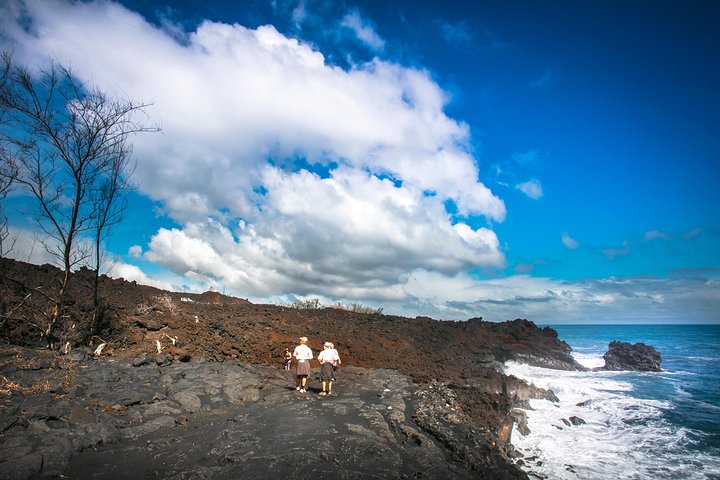
1

Top Bus Tours in Papaikou, Hawaii

Papaikou, Hawaii

Papaikou sits quietly on Hilo’s windward edge, a small town that doubles as an ideal launch point for guided bus touring across East Hawai‘i. From rainforest waterfalls and botanical gardens to the otherworldly landscapes of Hawai‘i Volcanoes National Park, bus tours here trade the logistics of self-drive for a relaxed, narrated passage through some of the island’s most dramatic terrain. Expect frequent stops, cultural context woven into the route, and an easy way to stitch together coastal vistas, gulches, and lava-carved roads without the stress of narrow mountain driving.

11
Activities
Year-Round
Best Months

Top Bus Tour Trips in Papaikou

11 trips • Book with confidence • Instant confirmation

Why Papaikou Is a Smart Base for Bus Tours

The pleasure of a bus tour out of Papaikou is that it transforms distance into storytelling. Papaikou’s geography — perched at the cusp of Hilo’s lowlands and the steep, rainforest-slick slopes of the Hamakua Coast — makes it a practical staging ground for half-day and full-day drives that thread a compact variety of Hawaiian landscapes. On any given morning you can step onto a coach and move in under an hour from sugar-plantation era neighborhoods into old-growth banyan canopies, then onward to thunderous waterfalls and black-sand shorelines. The contrast is visceral: the moist green of fern and ʻōhiʻa forest gives way to the stark, jagged textures of cooled lava and the broad sweep of the caldera.<br><br>Bus touring in this corner of the island also has a cultural dimension. Local guides tend to blend natural history with human stories — from ancient Hawaiian place names and taro cultivation to the legacy of plantation towns and plantation-era infrastructure that shaped the modern shoreline communities. That context matters: it turns a sequence of pullouts into a coherent route where each stop is a chapter rather than just a photo-op. For travelers who value interpretation as much as scenery, the bus format is efficient and illuminating. You’re not only saving the anxiety of steep, narrow stretches and unfamiliar parking; you’re gaining access to focused narration, predetermined itineraries that hit the highlights, and often priority entry or timed windows at crowded sites.<br><br>Terrain and weather shape the character of these tours. The windward side of Hawai‘i Island is famously wet — afternoon showers are common year-round and trails can be slick. Roads are mostly paved but can be narrow along coastal cliffs and through small towns; on routes that climb toward Volcanoes National Park you’ll encounter higher elevations, cooler air, and sudden visibility changes. Because bus tours remove the responsibility for driving, they’re particularly appealing for families, older travelers, and those who prefer to leave logistics to a local expert. A thoughtful operator will balance comfort with active exploration: expect a mix of short walks, easy viewpoints accessible from a paved pullout, and brief interpretive stops where you can stretch, take photographs, and learn something new. Finally, the flows of visitation here are seasonal but not extreme—holiday weeks and summer see higher demand, while shoulder seasons reward early-booking travelers with quieter roads and more relaxed itineraries.

Close-range variety: In a single day a guided bus can take you from coastal blowholes and banyan-shaded streets to rainforest overlooks and volcanic landscapes without long, complicated transfers.

Interpretation matters: Local guides add cultural, geological, and botanical context that deepens each stop beyond the postcard view.

Logistics removed: Narrow coastal roads and unfamiliar driving conditions are easier to navigate when someone else is at the wheel.

Weather-driven itineraries: Tours often shift stops based on microclimates and visibility—expect flexible scheduling on wetter days.

Accessibility: Many buses offer level boarding or minimal steps; check with operators for wheelchair or mobility accommodations.

Activity focus: Guided sightseeing by motorcoach or minibus
Typical durations: half-day (3–4 hours) to full-day (6–9 hours)
Common route themes: waterfalls & botanical gardens, coastal scenic drives, Volcanoes National Park access
Terrain: coastal roads, rainforest gullies, occasional steep switchbacks, paved park roads
Weather: windward side receives frequent showers; layer up for cooler elevation in volcanic zones

Best Time to Visit

Best Months

AprilMaySeptemberOctober

Weather Notes

Papaikou sits on Hawaii’s windward (wet) side. Trade winds and orographic lift mean frequent, localized showers—usually brief in the morning with more persistent rain in the afternoon. Higher elevations (Volcanoes National Park) are cooler and can be foggy. Occasional vog (volcanic haze) or temporary road closures related to volcanic activity may affect access—confirm conditions with your operator before departure.

Peak Season

Winter holiday weeks and summer vacations attract more visitors; book popular tours in advance.

Off-Season Opportunities

Shoulder seasons (spring and fall) often offer smaller groups, more flexible itineraries, and more comfortable touring conditions without the busiest crowds.

Frequently Asked Questions

Do bus tours leave from Papaikou or nearby Hilo?

Many tours operate from the greater Hilo area and will pick up in or near Papaikou—check pickup locations when you reserve. Some operators may consolidate pickup points at central Hilo hotels or visitor hubs.

Are bus tours suitable for travelers with limited mobility?

Buses eliminate much of the driving challenge, but accessibility varies by operator and vehicle. Ask about wheelchair ramps, step-free boarding, and the length of on-foot segments before booking.

Can bus tours be adjusted for weather or volcanic conditions?

Yes. Responsible guides adjust itineraries based on weather, safety, and any park or road closures. Operators will often substitute alternate stops when primary sites are inaccessible.

Choose Your Experience Level

Beginner

Perfect for visitors who want a low-effort way to see major sights with guided context. Low walking demand and frequent photo stops.

  • Coastal scenic loop with waterfall pullouts
  • Hilo town and botanical garden half-day tour
  • Short guided visit to a single-site (e.g., a prominent waterfall or garden)

Intermediate

For travelers who want a mix of guided comfort and light activity—expect several short hikes or nature walks paired with interpretive stops.

  • Full-day waterfall and rainforest circuit with guided short hikes
  • Volcanoes National Park day tour with crater overlook visits and easy walks
  • Cultural-interpretation tours combining historic sites and natural highlights

Advanced

Designed for travelers who want deeper exploration combined with on-foot adventure: bus transport reduces transit time so you can spend more energy on trekking or extended site visits.

  • Full-day combo tour that pairs park roads with a guided volcanic landscape walk
  • Multi-stop itinerary that includes longer hikes off the main pullouts
  • Custom private charter that sequences challenging hikes with interpretive stops

Insider Tips & Local Knowledge

Confirm pickup details, accessibility needs, and current road or park conditions before your tour. Dress for changeable weather and bring layers.

Start mornings early to catch clearer weather windows and calmer coastal light. If you’re planning a Volcanoes National Park visit, prioritize higher-elevation stops earlier or later in the day when crowds shift. Ask guides for local name pronunciations and historical context—those small details turn a scenic stop into a meaningful experience. Finally, respect closures and fragile sites: photograph from designated viewpoints and follow your guide’s direction to protect culturally sensitive areas.

What to Bring

Essential

  • Light rain shell or poncho — east-side showers are frequent
  • Comfortable shoes for short walks and uneven viewpoints
  • Water bottle and small snacks for longer full-day tours
  • Camera or phone with extra battery/memory
  • Motion-sickness medication if you’re sensitive to winding roads

Recommended

  • Sun protection: hat, sunscreen, and sunglasses for shore-side stops
  • A small daypack to carry layers and purchases
  • Reusable binoculars for bird and coastline viewing
  • A compact layer (fleece or insulated vest) for higher elevation stops

Optional

  • Travel umbrella for heavy showers between stops
  • Light trekking poles if you plan to extend a short walk into a longer hike
  • Cash for local vendors, tips, or small entry donations

Ready for Your Bus Tour Adventure?

Browse 11 verified trips in Papaikou with instant booking

Explore Top 15 Papaikou, Hawaii Adventures →