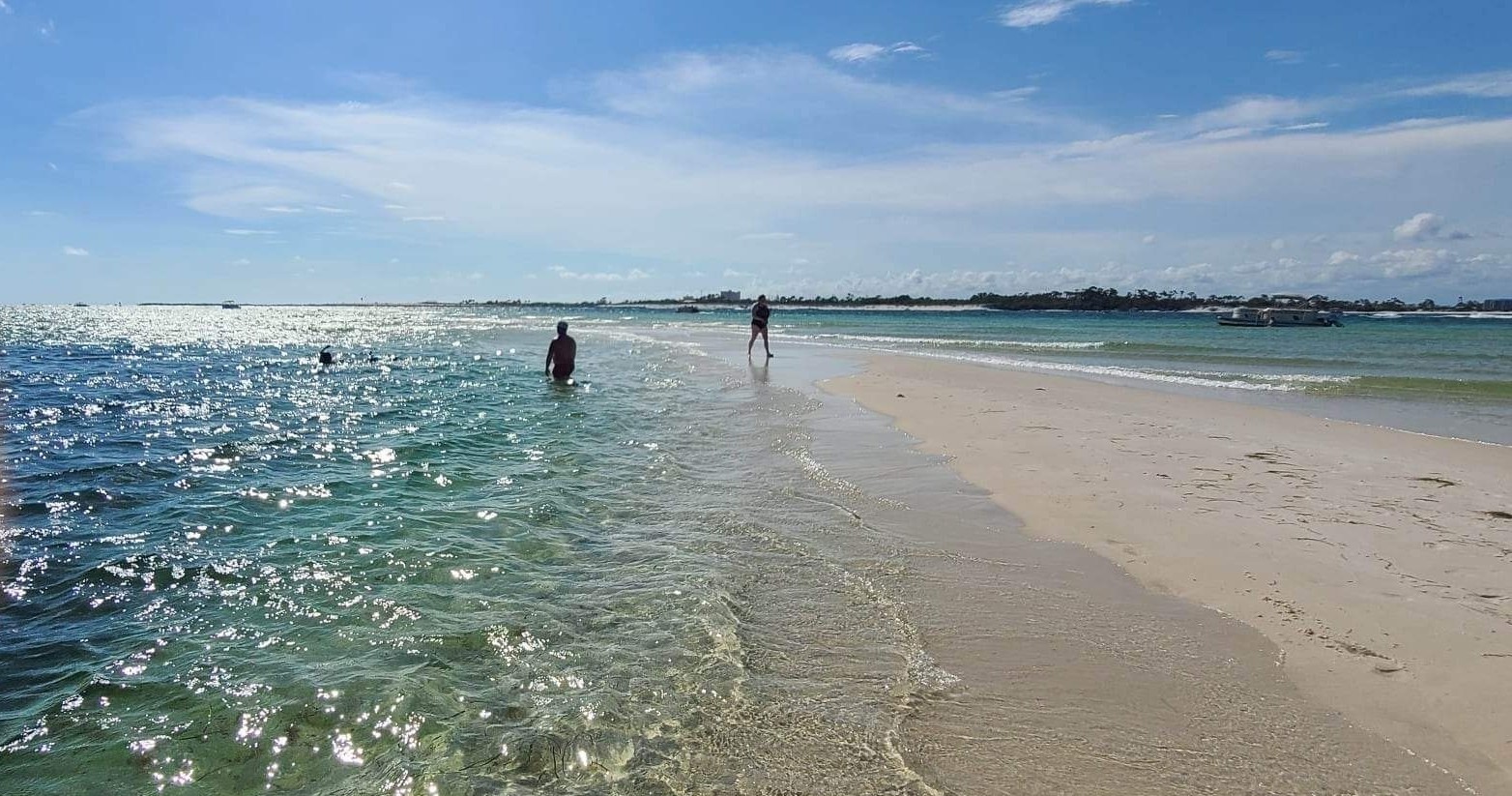
Eco Tours in Panama City, Florida
Panama City’s eco tours stitch together bay flats, tidal marshes, pine forested barrier islands, and shallow Gulf waters into an accessible coastal classroom. Expect slow-paced boat surveys, guided kayak trips through mangrove mazes, birdwatching walks, and opportunities to learn about sea turtle nesting, seagrass restoration, and local fisheries—each tour calibrated for low impact and high observation value.
Top Eco Tour Trips in Panama City
6 trips • Book with confidence • Instant confirmation
Why Panama City Is an Ideal Place for Eco Tours
Panama City sits at the watery hinge between shallow Gulf waters and a braided system of bays, estuaries, and barrier islands—terrain that rewards slow, attentive travel. On an eco tour here you trade the roar of speed for the quiet of tide-driven rhythm: mangrove roots slicing glassy water, the punctuated call of herons, stingrays winging across sandy flats. These are not just scenic tours; they are living lessons in coastal ecology. Guides point out how seagrass beds buffer storm surge and support juvenile fish, how dune vegetation anchors the fragile barrier islands, and how the daily push and pull of tides structures food webs. That kind of context transforms a pleasant boat ride into an informed encounter with a functioning ecosystem.
There’s an immediacy to Panama City’s coastal habitats that is accessible to nearly every traveler. Shell Island’s long, unpaved beaches and unspoiled dune corridors are reachable by short shuttle or guided boat; kayak routes thread safe, protected channels with frequent pullouts for birding or shelling; boardwalks in St. Andrews State Park give non-boat visitors a front-row view of salt marsh processes. For photographers and naturalists, the lighting and low-angle views across flats are exceptional at dawn and dusk. For families and casual travelers, eco tours here are designed to be hands-on yet low-stress—spotting shorebirds, learning about oyster reefs, and watching for dolphin pods without needing technical skills or long hikes.
The cultural and conservation context is part of the draw. Panama City’s relationship with its coastline has changed over generations—commercial fishing, tourism, and conservation initiatives have all shaped the shorelines you see today. Local guides often fold in stories of fisheries restoration, sea turtle monitoring programs, and community-driven habitat protection. That makes many operators partners in stewardship; joining a guided eco tour is commonly also a small act of conservation support. Seasonality is also evident—spring and early summer bring nesting sea turtles and migratory waders, while fall and winter highlight visiting shorebirds and calmer water conditions for shelling and snorkeling. Understanding these rhythms helps you pick the right tour at the right time.
Finally, eco tours in Panama City are remarkably varied in tone and tempo. Choose a short, interpretive boat cruise for broad context and shorebird spotting, a guided kayak trip for slow exploration and quiet wildlife encounters, or a specialized survey with researchers focused on seagrass, oyster reefs, or sea turtle nesting. For planners, that variety means you can build eco-focused half-days into a beach-heavy itinerary, or lean fully into a multi-day sequence of coastal experiences that deepen your understanding of the Gulf’s nearshore ecology.
Low-impact access: Many eco tours emphasize small-group sizes, no-trace practices, and education—good options for travelers who want meaningful encounters with minimal environmental footprint.
Wildlife variety: Expect shorebirds, wading birds, migratory waterfowl in season, bottlenose dolphins, and in summer, loggerhead and green sea turtles near nesting beaches.
Complementary activities: Combine an eco boat tour with paddleboarding, guided snorkeling over seagrass beds, or a morning birding walk on Shell Island for a layered coastal experience.
Best Time to Visit
Best Months
Weather Notes
Spring and fall offer mild temperatures, calmer seas, and excellent bird migration windows. Summer is hot and humid with afternoon thunderstorms and is prime for sea turtle nesting; winter is cooler and quieter, with good conditions for shoreline birding but cooler waters for snorkeling.
Peak Season
Late spring through summer draws the most visitors for beaches and turtle nesting programs.
Off-Season Opportunities
Winter offers quieter trails and strong shorebirding; shoulder seasons (spring/fall) balance comfortable weather with abundant wildlife.
Frequently Asked Questions
Do eco tours require prior experience?
Most interpretive boat and beach-based eco tours are suitable for beginners. Kayak and paddleboard eco trips typically require basic paddling ability—operators will advise on skill requirements when booking.
Are tours child- and family-friendly?
Yes. Many operators offer family-oriented outings with shorter durations and interactive learning activities; confirm minimum age and life jacket policies when reserving.
Will I see dolphins or turtles on every tour?
Wildlife sightings can’t be guaranteed. Guides choose route timing and locations to maximize opportunities, but sightings depend on season, tides, and natural behavior.
Are any permits required to visit Shell Island or protected areas?
Access rules can vary by site. Some protected areas have vehicle or parking restrictions; for specific permits or closures, check local park or refuge websites before travel.
Choose Your Experience Level
Beginner
Short, guided interpretive boat tours, accessible beach walks, and gentle boardwalk loops are ideal for first-time eco travelers and families.
- Interpretive bay boat cruise
- Shell Island guided beach walk
- Short salt marsh boardwalk tour
Intermediate
Half-day kayak or paddleboard eco tours that require basic paddling competence, longer birding excursions, and shallow-water snorkeling over seagrass beds.
- Guided mangrove kayak tour
- Paddleboard eco-safari across protected flats
- Guided seagrass snorkeling with naturalist
Advanced
Multi-day coastal forays, research-style survey trips, or conservation volunteer experiences that demand greater endurance, open-water experience, or specialized gear.
- Multi-stop island ecology expedition
- Volunteer sea turtle monitoring program (seasonal)
- Oyster reef restoration fieldwork with local partners
Insider Tips & Local Knowledge
Confirm bookings and launch details in advance, check tide charts for shallow-water routes, and support operators that emphasize education and low-impact practices.
Arrive at sunrise for the best light, calmer water, and active wildlife—birds and dolphins are often most visible in the early morning. Bring small bills or digital payment for tips or impromptu donations to local conservation efforts. If you’re prone to seasickness, choose smaller bay or sheltered routes and consider non-drowsy motion-sickness prevention; kayak trips in calm weather are a good alternative. Respect marked nesting areas and follow your guide’s instructions about distances from wildlife. Finally, look for operators who participate in citizen-science projects—joining a guided eco tour that contributes data or supports habitat work amplifies the value of your visit.
What to Bring
Essential
- Waterproof or quick-dry shoes and sun-protective clothing
- Wide-brimmed hat and UV-rated sunglasses
- Refillable water bottle and light snacks
- Reef-safe sunscreen and insect repellent
- Binoculars for bird and wildlife viewing
Recommended
- Light windbreaker or rain shell (weather can change quickly near the coast)
- Waterproof phone case or small dry bag
- Compact camera with a zoom or telephoto lens
- Small personal first-aid kit
Optional
- Wading shorts for shallow launch exits
- Field guide for shorebirds or a wildlife journal
- Reusable tote for any guided beach cleanups or citizen-science activities
Ready for Your Eco Tour Adventure?
Browse 6 verified trips in Panama City with instant booking
Explore Top 15 Panama City, Florida Adventures →