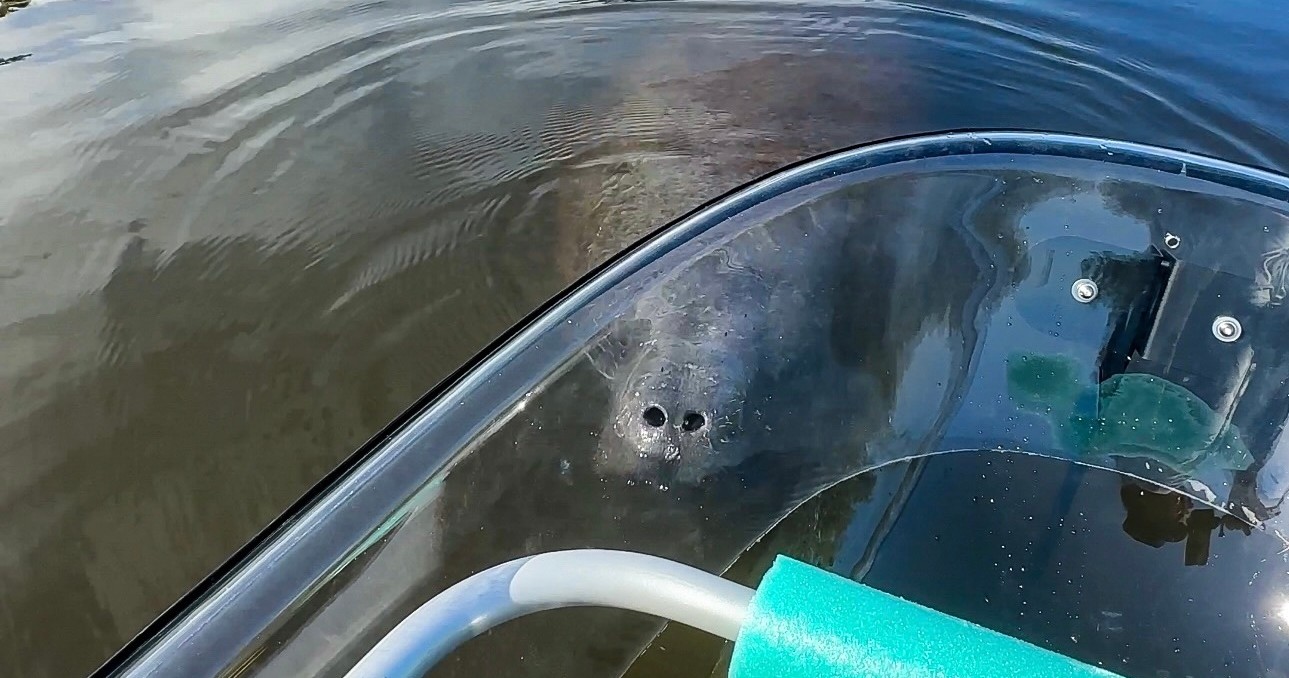
Where the Manatee River widens into the glittering arms of Tampa Bay, Palmetto’s shoreline dissolves the boundary between town and tide. The result is an accessible, low-slung wilderness threaded with boardwalks, observation points, and quiet launch sites that funnel human curiosity into respectful viewing of a surprisingly rich coastal ecosystem. The geography is simple and decisive: shallow flats clothed in seagrass feed schools of mullet and snook, which in turn attract dolphins and foraging wading birds; ribboned mangrove fringes shelter juvenile fish and the crustaceans that shorebirds rely on; and deeper channels hold the warm currents where manatees gather against seasonal cool snaps.
That combination—shallow productive water, sheltered mangrove nurseries, and a temperate Gulf climate—creates multiple windows for wildlife. Winter brings manatees moving into the river in search of warmer pockets; fall and spring unfold as migration corridors for sandpipers, plovers, and terns that light up the flats when the tide drops; and summer fills the bay with dolphin arcs and noisy osprey nests. The wildlife here is shaped by tides and timing as much as by habitat: a low-tide shorebird rove at dawn offers a dramatically different show than an afternoon mangrove paddle, and the best photos and sightings often come to those who plan around these rhythms.
Palmetto’s wildness is also practical. Public preserves such as Robinson Preserve and Emerson Point have elevated boardwalks, observation platforms, and short trails that make serious viewing possible without a boat. For deeper access—mangrove islands, hidden oyster bars, and remote flats—kayaks, skiffs, or guided naturalist cruises unlock scenes that feel private. The town itself is modest, which keeps travel logistics simple: short drives to launch points, a handful of guiding operations that specialize in birding and manatee tours, and facilities geared toward day trips rather than remote expeditions.
But with accessibility comes responsibility: wildlife viewing here rewards restraint. Maintain distance from manatees and nesting birds, time visits with tides to avoid disturbing feeding shorebirds, and keep noise and wake to a minimum in narrow channels. Follow seasonal closures and local signage, and opt for guided outings if you're unsure about tides or sensitive habitat. Approach Palmetto prepared—an early alarm and a tide chart will often give you the best seat in the house.
The diversity is ecological and temporal: you can watch wintering manatees, year-round dolphins, seasonal raptors, and migratory shorebirds all within the same calendar year.
Public access points make wildlife viewing approachable for families and casual travelers, while paddlers and small-boat operators can reach quieter flats and mangrove islets for intimate encounters.
The harbor is the gateway, and the Pacific becomes the classroom.
Tidal rhythms and local weather patterns strongly shape where and when animals are visible; low tides concentrate shorebirds on mudflats, and calm, cool mornings are prime for dolphin sightings and photographic light.
Choose by purpose
Whale watching, snorkeling, sunset sailing, cultural canoeing, harbor sightseeing, or private chartering.
Start near the city
Waikiki and Honolulu Harbor are primary hubs, with some trips launching near Hanauma Bay.
Confirm the vessel
Gangways, shaded seating, and boarding requirements vary according to vessel size and operator.