1

Essential Kayak Guide to Palmetto, Florida

Palmetto, Florida

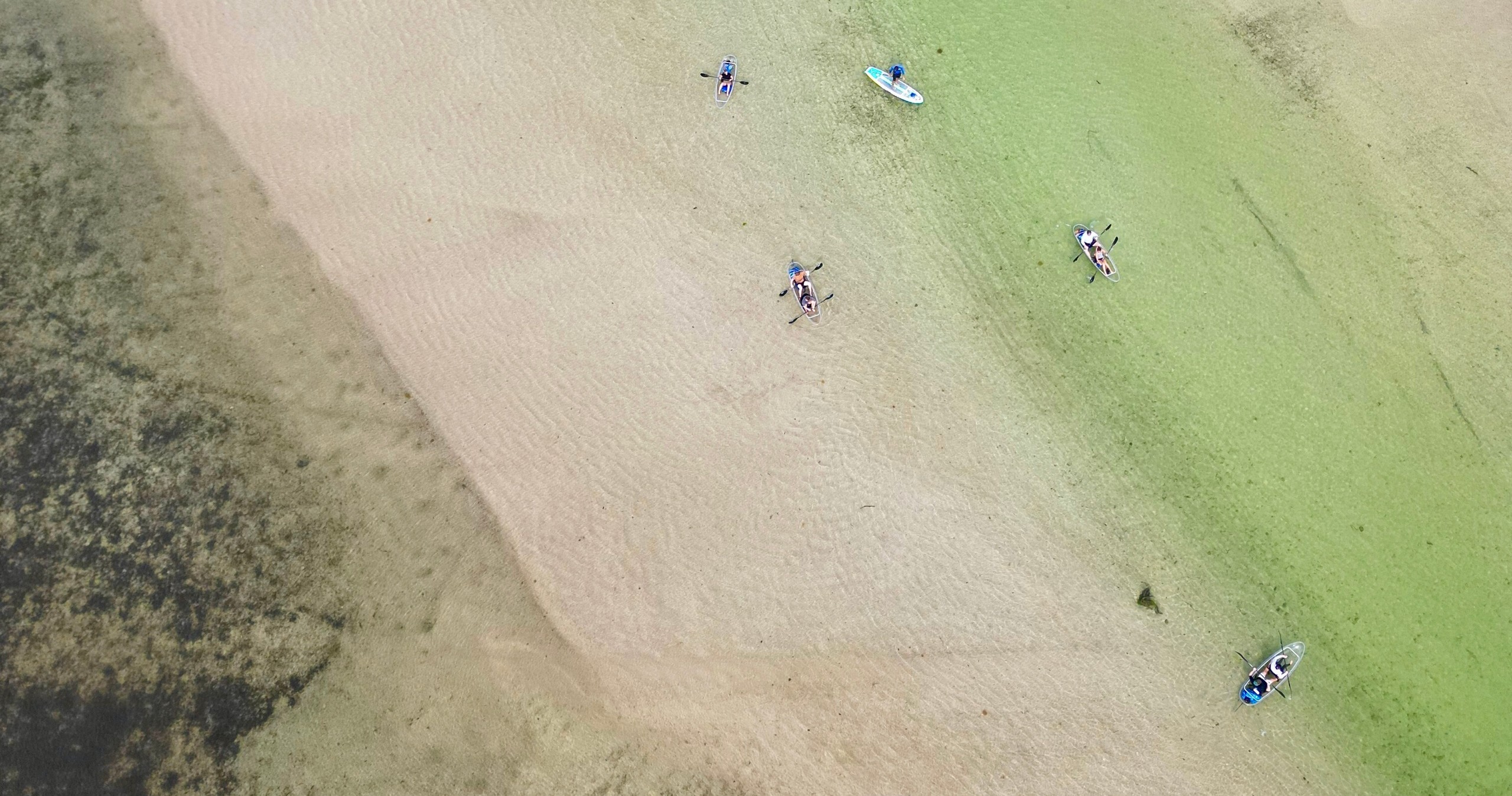
Palmetto sits where tidal rhythms shape a paddler’s day: wide estuaries, labyrinthine mangroves, and glassy morning flats that mirror low clouds. This guide zeroes in on kayaking—flatwater expeditions, mangrove explorations, wildlife encounters (manatees, wading birds), and the planning know-how you need to turn a half-day paddle into a memorable coastal adventure.

89
Activities
Year-round (best November–May)
Best Months

Top Kayak Trips in Palmetto

89 trips • Book with confidence • Instant confirmation

Why Palmetto Is a Standout Kayaking Destination

Stand on the mangrove fringe at first light and the water in front of Palmetto reads like a map of slow motion currents and hidden channels. The real appeal here is intimacy: narrow tunnels of red mangrove that bottle the sound of engines, wide tidal flats that open into painterly skies, and estuary edges where wading birds choreograph the tide. For paddlers who prefer finesse to horsepower, Palmetto offers a series of micro-ecosystems—rivers, lagoons, marshes—that stitch together into day trips tailored to every level of curiosity.

This is not whitewater; it is coastal ecology at human scale. The Little Manatee’s calmer reaches invite easy, contemplative paddling: move slowly and the marsh reveals its secrets—fiddler crabs darting from root to sandbar, schools of mullet scattering like punctuation, and the possibility of manatees when water temperatures dip. The wider Tampa Bay estuary demands a different kind of attention: tidal planning, an eye for weather, and respect for skiff traffic as you transit between islands and peninsulas. In both settings the textures shift with the seasons—winter brings clearer water and the highest chance of manatee sightings, spring pulses with shorebird migrations, and summer lays on humidity and afternoon thunderstorms that reset the day.

Culturally, Palmetto sits in an older coastal landscape shaped by fishing, shellfishing, and a slow, local pace. The paddling opportunities connect to that heritage: low-key public put-ins, community preserves, and small regional parks rather than dramatic, built-for-tourism launch hubs. That means you’ll often be sharing water with local anglers, birders, and families seeking quiet coves. For visitors, the best paddles mix simple logistics—an easy shuttle or a loop put-in—with a readiness to adapt: tides can turn a route from placid to dynamic in hours, and wind can re-route a plan to a sheltered mangrove corridor. The payoff is the close-up, personal scale of coastal Florida: light that hovers over salt flats, a canoeing silence broken only by birdsong, and the steady pulse of tidal exchange that sculpts every shoreline here.

Practically, Palmetto is ideal for multi-day itineraries that combine short paddles with other low-impact outdoor activities: bike rides through preserve trails, snorkeling the nearshore shallows, or simply watching sunset from a small island beach. For planners, the keys are simple—move with tides, avoid midday heat in summer, prioritize early or late launches for wildlife, and always store gear to protect against salt and sun. With those measures the region rewards paddlers with a calm, richly textured coastal experience that feels both restorative and revealing.

Palmetto’s paddling is defined by estuaries and mangrove-lined creeks; technical skill is less about whitewater and more about tidal navigation and boat control in narrow channels.

Wildlife is a major draw—manatees in cool months, shorebirds through migration, and the constant presence of shore crabs and small fish—so a patient, slow-approach style of paddling is most rewarding.

Launch options are dispersed and often modest—small public ramps, park put-ins, and floating docks—so logistical planning (shuttle, tide tables) matters more than advanced gear.

Weather patterns are predictable: calmer, cooler conditions from late fall through spring; hot, humid summers with frequent afternoon thunderstorms and the region’s hurricane season from June to November.

Activity focus: Flatwater & Estuary Kayaking
Primary environments: mangroves, tidal creeks, estuarine flats
Total matching paddling options: 89
Best wildlife months: November–April (higher manatee and shorebird activity)
Tidal and wind conditions strongly influence route choice

Best Time to Visit

Best Months

NovemberDecemberJanuaryFebruaryMarchAprilMay

Weather Notes

Palmetto has a subtropical climate: mild, drier winters and hot, humid summers. Late fall through spring delivers cooler air, clearer water, and calmer winds—ideal for paddling. Summer brings higher humidity, afternoon thunderstorms, and increased insect activity. Hurricane season (June–November) can affect access and safety—check forecasts and local advisories.

Peak Season

Winter and early spring for wildlife viewing and more comfortable paddling temperatures.

Off-Season Opportunities

Summer mornings can be quiet and warm; early-day launches avoid storms and provide excellent sunrise light. Off-season visits may find fewer crowds and more flexible launch options.

Frequently Asked Questions

Do I need permits to launch a kayak in Palmetto?

Many public boat ramps and preserve put-ins are free to use, but some managed preserves may have parking fees or required reservations for organized groups. Check specific park websites or local municipal pages for up-to-date access rules.

Can I see manatees while kayaking here?

Yes—manatees frequent the estuaries and creeks in cooler months. Approach slowly, respect wildlife distances, and never attempt to touch or feed them. Observing from a distance reduces stress on animals and keeps you safe.

What skill level is required for local kayak routes?

Many routes are suitable for beginners on calm mornings—sheltered mangrove paddles and short estuary loops. Intermediate paddlers should be comfortable with tides and minor currents; advanced paddlers can plan longer crossings, wind-exposed routes, or multi-launch days requiring shuttles.

Is there boat traffic to watch for?

Yes—Tampa Bay area waters see recreational boat traffic. Stay visible, keep to the edges of fairways when possible, and be especially cautious near channels and public ramps.

Choose Your Experience Level

Beginner

Calm, sheltered paddles through mangrove tunnels and short loops on tidal creeks with minimal current. Ideal for newcomers, families, and guided introductory trips.

  • Short mangrove loop from a sheltered public put-in
  • Sunrise estuary paddle with birdwatching
  • Protected bay launch with a gentle return route

Intermediate

Longer day trips that cross wider flats, require tide planning, and may include paddling into light chop or transient currents. Good for paddlers comfortable with navigation and self-rescue basics.

  • Half-day estuary traverse with tidal shuttling
  • Mixed mangrove-and-flatwater route timed to outgoing tide
  • Guided wildlife-focused paddle longer in duration

Advanced

Open-water crossings, multi-launch itineraries, or routes that require careful wind and tidal strategy. These routes demand solid boat control, navigation skills, and contingency planning.

  • Long coastal link between islands and mainland beaches
  • Extended tidal timing route with narrow channel transits
  • Self-supported multi-stop day linking remote shorelines

Insider Tips & Local Knowledge

Always verify access, tides, and weather before a paddle; local conditions change quickly.

Launch early for calm water and wildlife activity—sunrise is both quieter and cooler. Learn the local tide rhythm: incoming and outgoing tides significantly alter currents and the appearance of potential landing spots. Carry a charged phone, a physical map or offline app, and tell someone your route and expected return. Respect wildlife: view manatees and shorebirds quietly from a distance. Watch for shellfish beds and seagrass; avoid dragging kayaks across sensitive habitats. In summer, plan morning departures to avoid afternoon thunderstorms and high heat; in colder months, be aware that water temperatures may draw manatees into shallow channels. Finally, connect with local paddling groups or outfitters for current conditions, suggested put-ins, and shuttle options—locals often know the least crowded access points and ideal tide windows.

What to Bring

Essential

  • Personal flotation device (PFD) — required by law for most kayaks; wear it
  • Dry bag for phone, layers, and snacks
  • Lightweight paddle jacket or windbreaker
  • Sun protection: hat, sunglasses with retainer, reef-safe sunscreen
  • Water (1–2 L) and electrolytes

Recommended

  • Tide chart or tide app and a basic navigation map of your planned route
  • Day hatch or small cooler for a picnic
  • Insect repellent (especially late spring–fall)
  • Spare paddle and basic repair kit
  • Waterproof phone case and a whistle for safety

Optional

  • Lightweight neoprene booties for rocky or shell-strewn landings
  • Binoculars for birding and wildlife viewing
  • Small camera with good stabilization for low-light dawn/dusk shots
  • Kayak cart for easier carry to remote put-ins

Ready for Your Kayak Adventure?

Browse 89 verified trips in Palmetto with instant booking

Explore Top 15 Palmetto, Florida Adventures →