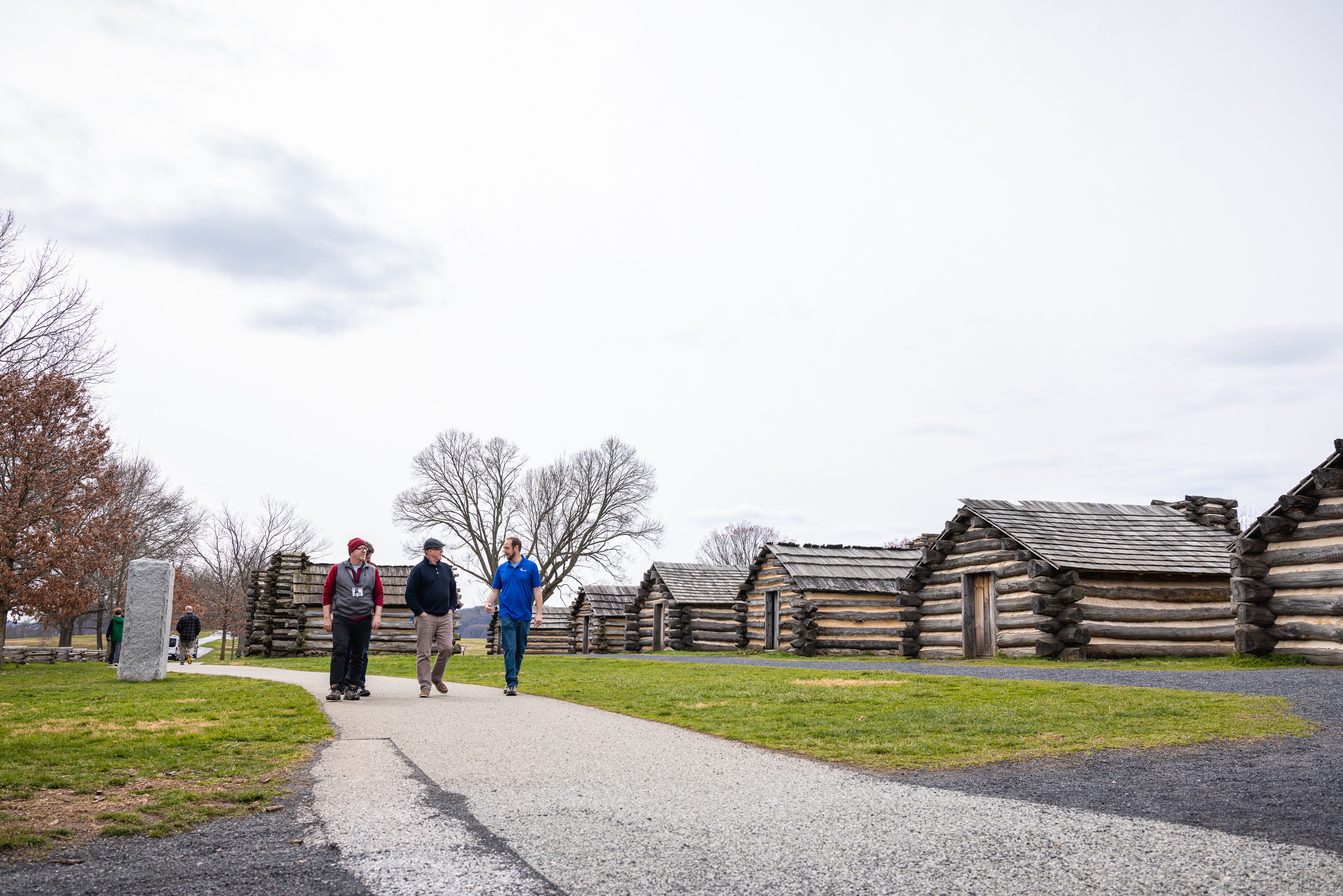
Walking through Palm is an exercise in attentive travel: streets narrow to invite conversation, storefronts hold the kinds of businesses that remember your name, and public squares serve as quiet theaters for neighborhood life. City tours here are less about a marquee monument and more about the layering of human stories — old mill foundations repurposed into studios, corner diners with morning rituals, and a riverside path where kayaks and dog-walkers cross paths. The scale is manageable, which makes Palm ideal for travelers who want a deep local feel without long commutes between sights.
Begin a typical Palm city tour and you’ll move through textures and seasons. Spring brings flowering trees and farmers markets gradually populating Main Street; summer livens patios and evening street music; fall saturates brick facades with warm light and a tangle of cider and pastry aromas; winter, when the town quiets, reveals architectural lines and the bones of civic life. Each season reframes the same blocks, and every walk feels like a new chapter. That seasonal continuity makes Palm especially rewarding for repeat visits or for those who like to layer activities — an easy morning walking tour followed by an afternoon paddle or a short bike ride to a nearby nature reserve.
Culturally, Palm’s tours reward curiosity. Local guides — often artists, local historians, or small-business owners — weave personal anecdotes into the town’s broader arc: factory towns transformed by craft economies, immigrant influences visible in cuisine, and public art that makes otherwise ordinary alleys feel deliberate. Self-guided options are equally rich; printed maps, wayfinding markers, and a scattering of interpretive plaques let you set the pace. A well-curated city tour in Palm is as much about pacing and stopping as it is about getting from point A to point B. It’s a practice of noticing — the texture of a doorframe, a rooftop garden, or the smell of freshly roasted coffee — that leaves you feeling oriented rather than exhausted.
Practicality matters here. Palm’s compact footprint means you can stitch complementary outdoor experiences into a single day: add a short riverside paddle after your morning walk, rent a bike for a loop that reaches quiet neighborhoods, or pair a historic walking route with an evening food crawl. Accessibility is generally straightforward — flat streets, bench-lined promenades, and short blocks — but seasonal events and market days can swap serenity for bustle. Ultimately, a city tour in Palm is a slow, sensory way to get to know a place: part neighborhood exploration, part living museum, and entirely about leaving with a sense of local rhythm.
The town’s compact downtown is the core: most curated walking routes are between 1 and 3 miles and can be completed in 60–90 minutes with frequent stops. That makes Palm friendly for mixed-ability groups and families.
Public art and adaptive reuse are recurring themes — former industrial buildings now house galleries, breweries, and co-working spaces that reveal how the town has reinvented itself.
The harbor is the gateway, and the Pacific becomes the classroom.
Combine a walking tour with short outdoor activities (kayaking, bike loops, farmers market visits) to get a fuller sense of the town’s landscape and lifestyle.
Choose by purpose
Whale watching, snorkeling, sunset sailing, cultural canoeing, harbor sightseeing, or private chartering.
Start near the city
Waikiki and Honolulu Harbor are primary hubs, with some trips launching near Hanauma Bay.
Confirm the vessel
Gangways, shaded seating, and boarding requirements vary according to vessel size and operator.