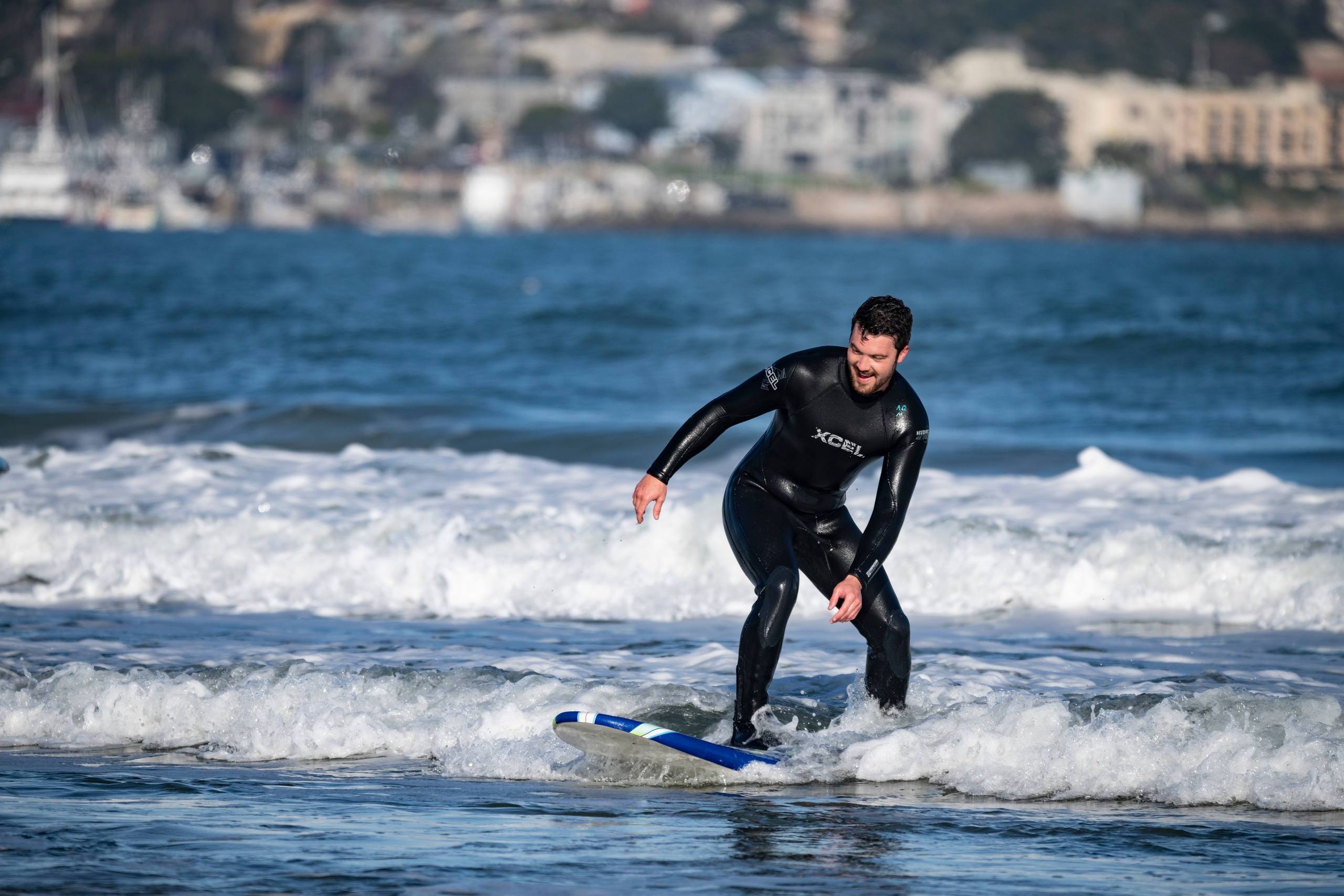
Surf Guide: Coastal Breaks Accessible from Paicines, California
Paicines sits in the dry, rolling foothills of inland San Benito County—an unlikely but strategic basecamp for surfers who prefer quiet country nights and early-morning drives to a variety of Central California breaks. This guide focuses on the surf experience you can reach from Paicines: beach breaks, point and reef breaks across Monterey Bay, Santa Cruz, and the rugged Big Sur coast. Expect seasonal swells, variable winds, and a mix of friendly learner waves to serious winter surf.
Top Surf Trips in Paicines
18 trips • Book with confidence • Instant confirmation
Why Paicines Works as a Surf Base
Paicines doesn’t pretend to be a seaside town—its identity is ranchland, oak-studded hills, and a slow cadence of small-town California life. That distance from the coast is exactly the practical charm for many traveling surfers: you sleep with little traffic noise, load your boards on a calm country morning, and commit to the kind of drive that turns a surf day into a full coastal outing. From this inland vantage you can reach a diversity of Central California waves—from mellow summer beach breaks ideal for longboarding to punchier winter reef and point breaks that reward timing and local knowledge.
What makes the Paicines-to-coast loop appealing beyond logistics is variety. The Monterey Bay area and Santa Cruz coastline offer long seasonal windows, exposed reefs, and sheltered coves that change character with swell direction, tide, and wind. One day you might be tuning your bottom turn on a clean point in the morning and exploring tide pools at low tide in the afternoon. Another day could mean braving a winter swell that strips sandbars and raises the adrenaline level. That alternation—between soft dawn surfs and raw big-swell sessions—gives travelers the ability to curate trips that blend learning, exploration, and high-performance surfing.
Paicines also sits near other experiences that pair naturally with surf travel. After a long session, you can swap salt for blue skies and hike through pinnacles of volcanic rock at Pinnacles National Park, sample small-batch wines from the Gabilan foothills, or chart a coastal road trip down the Big Sur coastline—each stop enriching the surf story with geological perspective, local food, and quiet backroads. For families or mixed-ability groups, Paicines affords quieter accommodation options than busier coastal towns while keeping major surf towns within reach.
Finally, the cultural rhythm around the surf here is less about nightlife and more about patience and craftsmanship: checking reports, waiting for the right tide, and appreciating the shifting moods of a microclimate. Whether you’re chasing a winter peak or polishing longboard trim on a summer glass-off, using Paicines as a base turns each surf day into a deliberate, well-planned outing rather than a frantic sprint. That combination of calm home base and access to varied Central Coast breaks is why adventurous travelers—coastal devotees and inland seekers alike—choose to anchor trips around Paicines.
Paicines is inland, so driving to surf is part of the itinerary; treat the commute as the warm-up rather than an inconvenience.
Monterey Bay and Santa Cruz offer the most immediately accessible surf options; a longer drive opens up Big Sur’s rugged, less crowded spots.
The best surf windows cluster in fall and winter when Pacific swells pick up; summer delivers gentler waves favored by learners and longboarders.
Best Time to Visit
Best Months
Weather Notes
Central California surf responds to Pacific storm cycles and local wind patterns. Fall often offers clean offshore winds and consistent groundswell; winter brings the biggest swells but also stronger winds and colder water. Morning sessions are typically glassier before daytime sea breezes pick up. Pack a wetsuit appropriate for cool water temperatures and a flexible layering system for coastal variability.
Peak Season
Fall and winter swells (roughly September through March) draw the most consistent surf, especially for larger, performance-oriented waves.
Off-Season Opportunities
Summer is ideal for learners and longboarders seeking smaller, more forgiving surf; it’s also a quieter time on many breaks and good for combining surf with family-friendly coastal activities.
Frequently Asked Questions
How far is the drive from Paicines to the nearest surf spots?
Expect a drive of roughly 1–2 hours to most Central Coast surf breaks; exact time depends on the chosen beach and traffic. Plan for coastal parking variability and early starts for popular spots.
Do I need a permit to surf local beaches?
Most public beaches do not require permits to surf. Certain protected areas, parking lots, or limited-access coastal preserves may have fees or restrictions—always check local signage and park websites.
What wetsuit should I bring?
Water temps on the Central Coast are cool year-round. A 4/3 or 3/2 full suit is common in spring and fall; a thicker 5/4 (with hood) is useful for peak winter. Summer can be comfortable in a 3/2 or springsuit for some surfers.
Choose Your Experience Level
Beginner
Gentle, forgiving beach breaks with sandbanks are the best learning environments. Look for mellow summer sessions and surf schools in Santa Cruz or Monterey County.
- Take a lesson at a sheltered beach break with a local surf school
- Practice longboard paddling and nose rides on small summer swells
- Play in protected coves during low wind windows
Intermediate
Once comfortable on whitewater and green waves, intermediate surfers can explore beach peaks and protected point breaks that reward timing and trimming skills.
- Session broken beach peaks on mid-tide for more consistent takeoffs
- Head to sheltered points in Monterey Bay on clean offshore mornings
- Combine surf with a coastal hike to scout less crowded lineups
Advanced
Experienced surfers chasing performance turns or bigger swells should target exposed reefs and headlands during fall and winter, and be prepared for currents, rocks, and variable conditions.
- Paddle into point or reef breaks on a strong ground swell
- Time low-tide waves where rips shape hollow faces
- Explore more remote Big Sur breaks for punchier, less crowded surf
Insider Tips & Local Knowledge
Traffic, tides, and wind matter as much as swell—plan accordingly and err on the side of early starts.
Treat the drive from Paicines to the coast as part of the adventure: leave early to catch cleaner morning conditions and easier parking. Use tide charts and local reports to choose the right break for the swell direction—some points light up on a west swell while nearby beaches respond to southwest groundswell. When scouting new spots, observe entry and exit lines, and never assume a calm surface equals safe currents. If you’re unfamiliar with a reef or point, ask local surfers or lifeguards about hazards and best tide windows. Combine surf days with non-surf activities—Pinnacles National Park hikes, winery visits, or a Big Sur coastal drive—to make the most of varied weather. Finally, support local shops and schools in Monterey and Santa Cruz when you need rentals, lessons, or gear repairs; their knowledge will get you into waves safely and respectfully.
What to Bring
Essential
- Appropriate surfboard(s) for beach, point, and small longboard waves
- Wetsuit (see weather notes for thickness recommendations)
- Roof racks or padded board bags for transport from Paicines to the coast
- Basic repair kit (ding repair tape, fin screw driver)
- Tide and swell app or local surf report access
Recommended
- Boots or grip-friendly sandals for rocky entry at reef and point breaks
- Daypack with layers, water, and snacks for long coastal days
- Small first-aid kit and sunscreen (reef-safe preferred)
- Portable rack straps or tie-downs to secure boards for the drive
Optional
- Compact camera or action cam with waterproof housing
- Travel clothesline and quick-dry towel
- Binoculars for scouting remote coves from viewpoints
Ready for Your Surf Adventure?
Browse 18 verified trips in Paicines with instant booking
Explore Top 15 Paicines, California Adventures →