3

Whale Watching in Pa‘auilo, Hawaii — Top 20 Tours & Tips

Pa‘auilo, Hawaii

Tucked along the windward Hamakua Coast of Hawai‘i Island, Pa‘auilo offers a rare combination of dramatic sea cliffs, sheltered bays, and easy shore access that brings whale watching into focus without a long boat ride. From December through April, humpback whales move into Hawaiian waters to calve and court, and Pa‘auilo’s vantage points—along with small, locally guided boat and kayak outings—make it one of the most intimate ways to encounter these giants. This guide breaks down where to watch, how to choose an operator, what seasons and conditions matter, and how to layer other coastal adventures into a whale-centered visit.

20
Activities
Seasonal (December–April)
Best Months

Top Whale Watch Trips in Pa‘auilo

20 trips • Book with confidence • Instant confirmation

Why Pa‘auilo Is a Standout Whale-Watching Destination

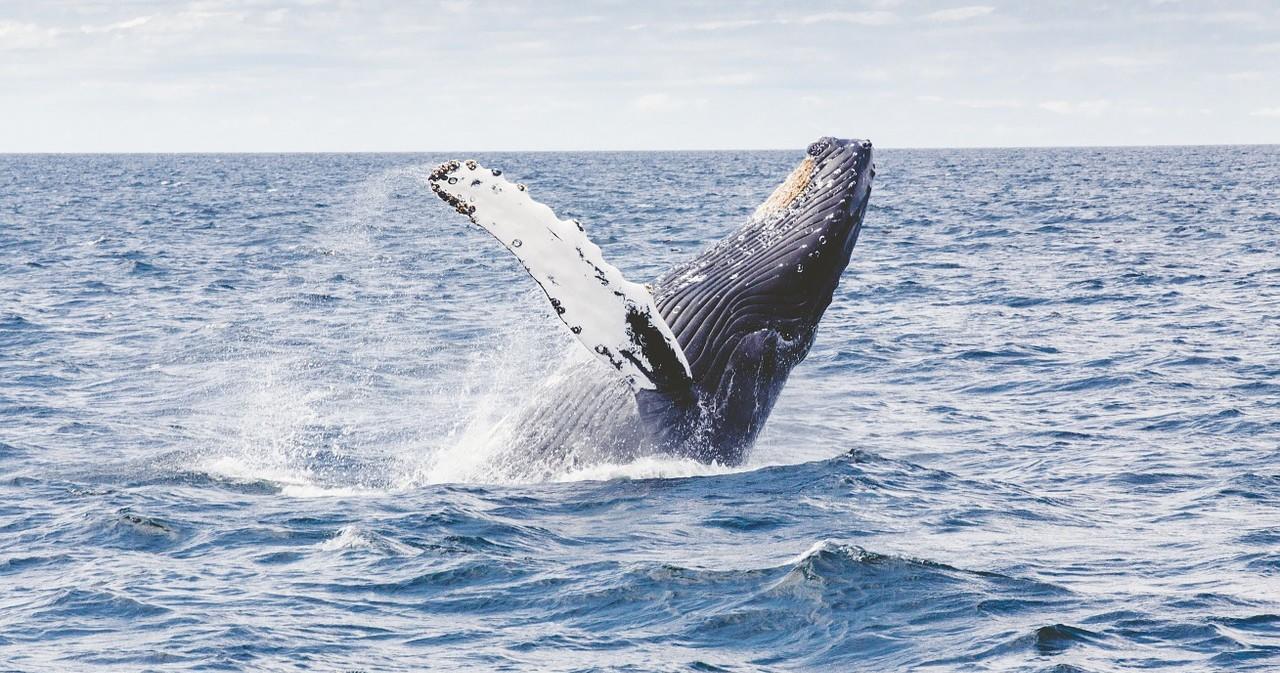
Pa‘auilo folds like a weathered photograph of old Hawai‘i: narrow roads, roadside fruit stands, and a coastline cut by lava and time into deep coves and basalt cliffs. But during the humpback season it becomes a theatre for marine life—the sort of place where the ocean’s scale becomes obvious and immediate. Humpbacks come to Hawai‘i for one reason: to give birth and raise calves away from the colder, richer feeding grounds in Alaska. The shallow, warm waters off the Hamakua Coast create an environment where mothers and calves surface, roll, and swim with surprising proximity to shore. From select headlands and low cliffs you can watch spouts, tail-lobs, and the rhythmic breathing of a species that looks utterly calm and enormous from a few hundred yards away.

What sets Pa‘auilo apart is accessibility and variety. Unlike crowded boardwalks or remote outposts, Pa‘auilo offers a mixture of easy shoreline viewing, short local boat trips, and guided kayak outings that are suitable for families and photographers alike. The coastline’s structure—fringed with calm coves and pockets of deeper water—creates micro-habitats where whales linger. Operators based nearby prioritize respectful approaches and local knowledge, which means encounters are often deliberate and educational rather than chaotic. You’ll also find that the human scale of Pa‘auilo—small communities, local eateries, and an absence of high-rise tourism infrastructure—means whale watching here folds into a full-day, place-based experience: snorkel or tidepool after a morning watch, hike a coastal trail during the afternoon light, or take a helicopter flight for a vertical perspective of whales moving through the current.

Conservation and cultural context are woven into any thoughtful visit. Native Hawaiian relationships to the ocean, the modern protections for marine mammals, and community-based stewardship programs influence how tours operate and what you’ll be encouraged to observe. Expect guides to explain distance rules, seasonal behaviors, and the larger ecosystem that supports the humpbacks—pardon the emotion, but seeing a calf nudge its mother or an adult lob its tail in a quiet cove feels like witnessing an old, public ritual. Practically, the best months are clear: December through April delivers the bulk of sightings, with January–March often the most active. Weather, swell, and wind can alter vantage points day to day, so flexibility and a local guide’s patience will repay you with the most memorable, respectful encounters.

Shore-watching spots in Pa‘auilo offer low-effort viewing and excellent photographic light at dawn and dusk; small-boat and kayak trips add intimacy and educational context.

Combine whale watching with coastal hiking, tidepool exploration, snorkeling in calmer bays, and local cultural experiences for a full, sustainable-day itinerary.

Activity focus: Whale watching (primarily humpback whales)
Peak season: December–April; most active January–March
Total matching tours/experiences in area: 20
Best vantage points: coastal headlands, small sheltered bays, and guided small-boat/kayak trips
Approach rules and conservation: operators adhere to Marine Mammal protection guidelines

Best Time to Visit

Best Months

DecemberJanuaryFebruaryMarchApril

Weather Notes

Winter months bring the whales but also greater swell and occasional storm fronts. Mornings are often calmer for sea conditions and light; afternoons can be windier. Temperatures are mild year-round, but bring a wind layer and expect damp jackets during rain showers.

Peak Season

January–March (highest concentration of sightings and mother-calf activity)

Off-Season Opportunities

In summer months whale sightings are rare, but shorebirding, snorkeling, and cliff hikes along the Hamakua Coast are excellent with lower visitation.

Frequently Asked Questions

Do I need a permit to watch whales from shore?

No special permit is required to view whales from public shorelines. Respect signage, private property, and any temporary closures that protect marine life or nesting areas.

Are whale-watching boat tours safe for families and non-swimmers?

Many local operators run family-friendly small-boat tours with life jackets and experienced guides. Non-swimmers should notify the operator in advance; calmer, smaller vessels and nearshore routes tend to be safer and less likely to induce seasickness.

How close can boats and kayaks legally get to humpback whales?

Federal and state guidelines require maintaining respectful distance from marine mammals and avoiding harassment. Tour operators follow these rules—stay with licensed guides and follow instructions to ensure both your safety and the whales’ wellbeing.

Choose Your Experience Level

Beginner

Accessible shore-watching from headlands and beaches; ideal for families, photographers, and casual travelers.

  • Sunrise headland watch
  • Short harbor or nearshore educational boat trip
  • Coastal walk with tidepool stops

Intermediate

Small-boat outings and guided kayak excursions that require basic comfort on water and some mobility.

  • Half-day small-boat whale watch
  • Guided sea-kayak approach (calm days only)
  • Photography workshop focusing on marine mammals

Advanced

Longer coastal expeditions, photo-focused sea trips, or multi-activity days combining aerial tours and remote shoreline scouting.

  • Full-day boat charter for extended searching
  • Helicopter whale-and-coast scenic tour with landing hikes
  • Multi-activity marine ecology trip with snorkeling and tidepool research

Insider Tips & Local Knowledge

Respect the animals and local culture—ask before photographing people, keep a responsible distance, and support operators who practice sustainable viewing.

Book morning trips for calmer seas and softer light. Arrive early to secure the best shoreline vantage points and avoid blocking emergency or local access roads. Ask operators about their approach rules and whether they carry naturalists—those trips tend to be lower-impact and more informative. Pack layers: even on warm days the wind off the ocean can be sharp. If you’re hoping for a kayak excursion, check wind and swell forecasts the day before; guides will cancel if conditions could put whales or people at risk. Finally, support nearby community businesses—local cafes and fruit stands often have the best advice about daily coastal conditions and lesser-known viewing points.

What to Bring

Essential

  • Windproof layer and waterproof shell (coastal weather changes quickly)
  • Binoculars and a telephoto-capable camera
  • Sunscreen, hat, and polarized sunglasses
  • Water and snacks for long morning watches
  • Reusable water bottle and a small daypack

Recommended

  • Light motion-sickness remedy if you plan to take a boat
  • Compact tripod or monopod for photography
  • Quick-dry layers and a warm mid-layer for early mornings
  • Small waterproof bag for electronics

Optional

  • Guidebook or app for marine mammal ID
  • Snorkel gear for post-watch snorkeling in calm coves
  • Local map for coastal hikes and tidepool spots

Ready for Your Whale Watch Adventure?

Browse 20 verified trips in Pa‘auilo with instant booking

Explore Top 15 Pa‘auilo, Hawaii Adventures →