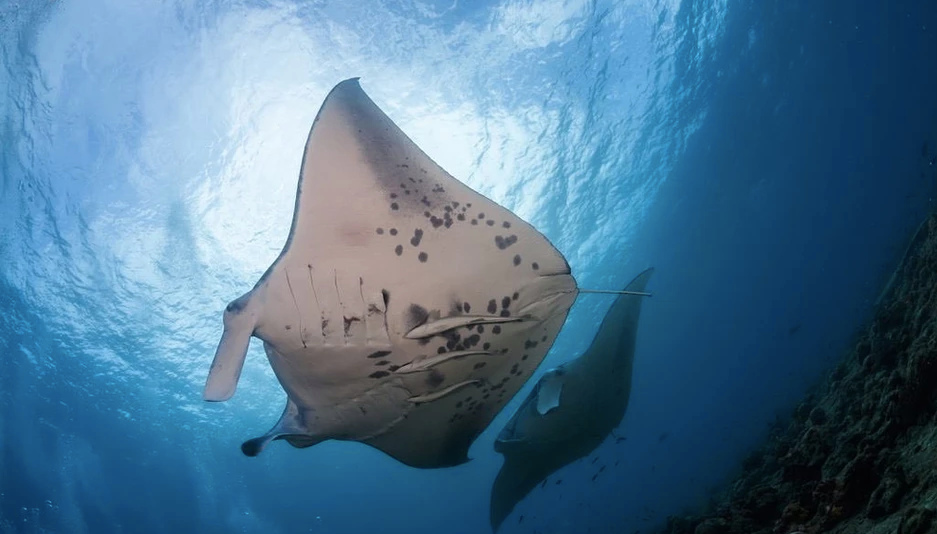
Top Scuba Adventures in Pa‘auilo, Hawaii
Pa‘auilo sits on Hawai‘i Island’s rugged Hamakua Coast — a narrow ribbon of shoreline where black lava meets surf-carved cliffs and a mosaic of shallow reefs. Scuba here is a study in contrasts: sheltered coves and sudden rocky drop-offs, schools of reef fish that pattern the shallows, and isolated shore-access sites that reward divers seeking uncrowded water. This guide focuses on scuba-specific planning for Pa‘auilo: how to read the local conditions, what to expect underwater, and practical advice for shore and boat divers who use nearby launch points from Hilo and neighboring towns.
Top Scuba Trips in Pa‘auilo
12 trips • Book with confidence • Instant confirmation
Why Pa‘auilo Is a Standout Scuba Destination
Pa‘auilo’s shoreline is not a postcard of palm-fringed white sand and long, gentle reefs — it’s a raw, intimate coastal experience. The Hamakua Coast was carved by lava and time, leaving a patchwork of rocky coves, shallow fringing reefs, and sudden underwater escarpments. For divers who prize solitude, geological variety, and a chance to read every tide and swell, Pa‘auilo offers an understated but rewarding playground.
Underneath the surface you’ll find the quiet theater of Hawai‘i’s nearshore reef life: parrotfish and surgeonfish cropping on algae, butterflyfish patrolling coral heads, moray eels tucked into lava fissures, and honu (green sea turtles) gliding through the surge. Visibility can vary with swell and runoff, but on calmer days the water reveals sculpted lava formations, fissures, and pockets of hard and soft coral that provide habitat complexity uncommon on more heavily visited shores. The coastal topography creates interesting dive profiles — long shallow reefs that slope out to ledges, small surge channels, and pockets of broken reef that are great for macro seekers.
What makes Pa‘auilo especially appealing is its access to authentic island life. There are no large dive resorts here; services are sparse, and many dives are shore-based or launched from neighboring bays. That means planning and local knowledge matter. Divers often stage from Hilo or smaller nearby towns where dive charters and gear rental are available; others opt for carefully planned shore entries from discreet coves. This low-key approach keeps sites quiet and wildlife comparatively undisturbed, but it also means you should arrive prepared: be confident with shore-entry procedures, current awareness, and self-sufficiency.
Pa‘auilo is also a seasonally shaped destination. Trade winds and the north Pacific swell pattern influence both surface conditions and underwater visibility. Summer months typically bring gentler seas and more predictable conditions, while winter can deliver dramatic surf and reduced access to many shore sites. The result is a coastal scuba experience that rewards flexibility and local briefing: a day that opens with glassy water and vivid visibility can shift quickly with a passing swell or runoff after heavy rain. For travelers who like to pair dives with exploration, the area links naturally to hikes along the cliffs, tidepool forays, and cultural stops in hamlets where the pace is slow and the landscape dramatic.
Geological diversity: lava-formed reef structures create fissures, overhangs, and interesting light play for underwater photography.
Low visitation: fewer divers than Hilo or Kona means quieter sites and better opportunities to observe natural behavior.
Logistics-first approach: planning around tides, weather, and operator schedules is essential; many dives are shore-based or originate from nearby towns.
Complementary activities: combine dives with coastal hikes, tidepool exploration, and cultural visits to nearby villages.
Best Time to Visit
Best Months
Weather Notes
Calmer seas and more stable visibility are most common late spring through early fall. Trade winds can pick up in the afternoon year-round; winter months bring larger north swells that can limit shore access along the Hamakua Coast.
Peak Season
Summer (June–August) sees the most dependable surface conditions for shore diving.
Off-Season Opportunities
Winter offers dramatic surf and shore spectacle; divers willing to follow local briefings may find unique conditions and seasonal marine visitors, but expect limited access on big-swell days.
Frequently Asked Questions
Do I need permits to dive off Pa‘auilo’s shoreline?
Most recreational shore dives do not require a permit, but some specific access points or private properties may restrict entry. Always confirm public access and respect posted signs.
Are there dive shops in Pa‘auilo for tanks and guided trips?
Services in Pa‘auilo are limited. Many divers arrange tanks, fills, and charters from Hilo or neighboring towns; contact operators in advance and plan transport.
Is scuba suitable for beginners around Pa‘auilo?
Yes—on calm days there are shallow, sheltered reef areas appropriate for newly certified divers, but shore entries can be rocky and currents variable. A local briefing or guided first dive is recommended for newbies.
Choose Your Experience Level
Beginner
Shallow reef dives in calm coves with limited depth and straightforward navigation; best when conditions are glassy and currents light.
- Protected fringing reef shallow dive
- Beginner-focused shore entry with guided buddy
- Snorkel-to-dive transition sites for skills practice
Intermediate
Longer shore dives that traverse reef slopes and ledges, moderate surge exposure, and basic drift segments that require good buoyancy control.
- Reef slope to ledge profiles
- Nearshore drift over lava terraces
- Photography-focused dives highlighting reef topography
Advanced
Sites involving strong currents, rough shore entries, or boat-only access from neighboring ports; advanced navigation and solid experience in variable Pacific conditions expected.
- Advanced drift and surge dives along reef drop-offs
- Boat-accessed deep reef or wall dives from Hilo
- Search-and-navigation practice in low visibility
Insider Tips & Local Knowledge
Check tide, swell, and local weather forecasts the morning of your dive and always get a site-specific briefing if possible.
Respect the coast: many access points require a short walk over uneven lava or along narrow road shoulders — wear sturdy shoes. Time entries to the incoming or slack tides when possible to reduce surge; many shore sites are best entered on a rising or mid-tide. Because local services are limited, pre-book fills and charters from Hilo if you need tanks or a guided trip. Bring plenty of water and shade for surface intervals; there are few amenities near remote sites. Visibility can change quickly after rain due to runoff from the steep coastal gulches—if you see heavier rain upstream, expect reduced clarity. For safety, always dive within your certification limits, carry an SMB, and practice shore-entry procedures before committing to a site. Finally, bring a respectful attitude toward marine life and the local community: avoid touching coral or wildlife, and pack out everything you bring in. Local knowledge goes a long way here—ask fellow divers or locals about recent conditions before making the first entry.
What to Bring
Essential
- Certification card and dive log (always carry proof of certification)
- Personal dive computer and backup timing device
- Mask, fins, snorkel (even if renting other gear)
- Exposure protection (shorty or 2–3mm wetsuit depending on personal comfort)
- Surface signaling devices (SMB, whistle) and basic first-aid kit
Recommended
- Boots or reef shoes for rocky shore entries
- Underwater camera or macro lens for reef detail
- Lightweight travel weights and a small mesh gear bag
- Local tide and swell forecast app or download
Optional
- Small durable flashlight for overhangs and crevices
- Spare mask and mask strap
- Long-sleeve rashguard for extra sun protection at the surface
Ready for Your Scuba Adventure?
Browse 12 verified trips in Pa‘auilo with instant booking
Explore Top 15 Pa‘auilo, Hawaii Adventures →