3

Top Whale Watching Experiences in Paauilo, Hawaii

Paauilo, Hawaii

Perched above the sharp, green cliffs of the Hāmākua Coast, Paauilo offers a quieter, more considered way to meet the giants that move through Hawaiian waters each winter. This guide focuses on whale watching as a distinct activity—how to read the sea from land, when to book a boat, the subtle differences between a zodiac, a large tour boat, and a small local charter, and how to pair a whale-focused day with coastal hikes, waterfall stops, or a paddle along sheltered bays. Expect raw ocean vistas, local storytelling, and practical advice for turning a fleeting spout or a logging tail-slap into a memorable, respectful wildlife encounter.

20
Activities
Seasonal (Dec–Apr)
Best Months

Top Whale Watch Trips in Paauilo

20 trips • Book with confidence • Instant confirmation

Why Paauilo Is a Standout Whale-Watching Base

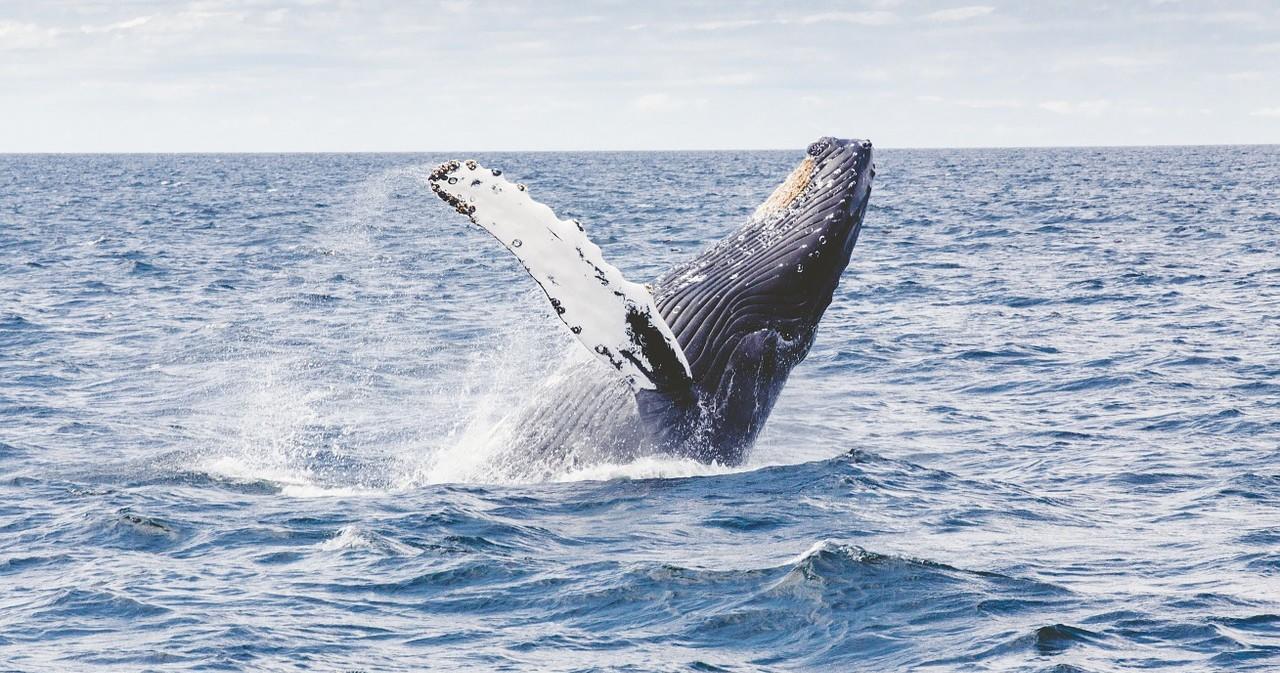
On any clear winter morning along the Hāmākua Coast, the sea reads like a storybook of movement: a distant plume, a shimmer that resolves into a dark torpedo rolling beneath the surface, a boom of exhalation that smells of salt and the faint tang of terpenes from ironwood trees lining the ridge roads. Paauilo is not a whale watch port in the way Hilo or Kona are, but its position—high cliffs and sweeping ocean vantage points—makes it a quietly potent place to begin a whale-focused day. The real advantage here is perspective. From the cliffs above Paauilo you can see a broad sweep of ocean and pick pockets of activity across miles of water; from small, local charters launched down-coast, you can close the distance and feel the scale of the animals as they surface and arch.

Historically and culturally, these waters are part of a living story. Humpback whales that travel to Hawaiian breeding grounds each winter are woven into native narratives and modern conservation efforts. Local guides in neighboring towns share not just natural history but the cultural context: how these animals figure in legends, how seasonal presence shapes the marine ecology, and how communities balance tourism with stewardship. In practical terms, Paauilo works as a base for people seeking fewer crowds and a combination of shore-based watching and curated boat trips. Travelers can watch from roadside pullouts, coastal overlooks, or join half-day charters that depart from nearby harbors—each option delivers a different tempo and perspective. Shore watching rewards patience and a good pair of optics; land-based spotting also pairs naturally with morning coffee overlooking the ocean and a post-watch drive to nearby waterfalls, tide pools, or a short hike for framing the coastline from above.

Paauilo’s terrain—steep volcanic cliffs carved by streams—creates abrupt interfaces between land and sea that concentrate marine life and make sightings more likely in calm conditions. Weather and swell influence how approachable these waters are: winter trade winds and occasional swell will move whale activity closer to shore or push it farther out. That variability is part of the rhythm of whale watching here. For planners, the recommendation is simple: allow flexibility. Book a charter with a flexible cancellation window, bring binoculars for shore stands, and factor in alternate coastal experiences—snorkeling in protected coves, forest walks, or visiting cultural sites—if the sea is too rough for small-boat outings. Paauilo’s quiet villages and scenic roads also reward those who slow down. Spend a morning on the water, then take the afternoon to walk a short coastal trail or visit a local farm stand; the varied pace keeps encounters with marine life grounded in place, rather than just a checklist.

Whether you’re a first-time whale watcher or someone who has counted flukes around the world, Paauilo offers an intimate, regionally rich way to experience humpbacks: fewer buses, more shoreline silence, and the feeling that each spout is part of a wider ecosystem meeting land. The result is not just a wildlife sighting, but an afternoon that connects ocean behavior to cultural history, landscape, and the logistics of respectful wildlife travel.

The variety of access is the draw: from cliffside vantage points where binoculars reveal distant breaches, to small local charters that emphasize slow, low-impact approaches, Paauilo supports multiple whale-watching rhythms.

Seasonality drives planning—humpbacks concentrate in Hawaiian breeding grounds between December and April, with peak activity usually in January through March. Outside of this window, focus shifts to shorebirding, reef snorkeling, and coastal hikes.

Activity focus: Whale Watching (primarily humpbacks)
Best base for quieter shore watches and access to local charters
Combine whale watching with coastal hikes, waterfalls, and cultural stops
Peak humpback season: December–April
Weather and swell strongly affect boat viability—have a plan B

Best Time to Visit

Best Months

DecemberJanuaryFebruaryMarchApril

Weather Notes

Humpback whales are most reliably present in Hawaiian waters during winter months. Expect variable coastal weather—cooler, windier conditions with occasional rain squalls. Ocean swell and wind affect both visibility from shore and the safety of small boats.

Peak Season

January–March are typically the most active months for humpback sightings and courtship behaviors.

Off-Season Opportunities

Off-season (May–November) offers calmer seas for snorkeling, reef encounters, and fewer crowds on coastal trails. Shore viewing for dolphins and seabirds can still be rewarding.

Frequently Asked Questions

Can I watch whales from shore near Paauilo?

Yes. Cliffside pullouts and coastal viewpoints along the Hāmākua Coast provide good opportunities for shore-based sightings, especially on calm days. Bring binoculars and allow time to scan the horizon.

Do I need to book a charter to see whales?

No—shore watching is viable—but charters increase the odds of close encounters and provide interpretive guides. Small local operators offer more intimate trips; larger tour boats carry more passengers and may travel farther offshore.

Are there regulations for how close boats can approach whales?

Yes. Federal and state guidelines limit approach distances to protect marine mammals. Reputable operators follow these rules and prioritize non-intrusive viewing.

Is whale watching suitable for families and inexperienced boaters?

Many family-friendly tours exist, but check operator policies on age minimums and safety. If you or members of your group are prone to motion sickness, choose larger vessels and pack motion-sickness remedies.

Choose Your Experience Level

Beginner

Low-effort shore observations and large-group boat tours. Ideal for families and first-time watchers.

  • Cliffside spotting with binoculars
  • Large passenger-boat whale watches from a nearby harbor
  • Short coastal drives with planned lookout stops

Intermediate

Small-boat charters or guided kayak approaches that involve moderate motion, some physical engagement, and closer proximity to marine life.

  • Half-day small-boat charter with naturalist guide
  • Guided sea-kayak outing in protected bays (operator dependent)
  • Multi-stop shore-and-boat combination tours

Advanced

Independent sea-based approaches, longer expeditions, or multi-day trips requiring sea experience and advanced planning. Also for photographers seeking specific lighting windows.

  • Private charter for focused photo sessions
  • Long-range offshore trips (weather permitting)
  • Combined marine wildlife and research-oriented excursions

Insider Tips & Local Knowledge

Respect marine wildlife and local guidelines; verify weather and operator cancellation policies before booking.

Start early—calmer morning seas and softer light improve both viewing and photography. If you plan a shore watch, drive the coast slowly and stop at designated pullouts; local residents value respectful viewing and minimal disturbance. When booking a charter, ask about group sizes, guided interpretation, and the operator’s whale-approach policy. Pack for changeable weather: a warm layer and wind protection make long watches comfortable. Consider pairing a whale-watch morning with an afternoon waterfall hike or a visit to a local farm stand to experience the Hāmākua Coast’s quieter side. Lastly, support operators and businesses that contribute to marine conservation—many local outfits donate time or funds toward humpback research and habitat protection.

What to Bring

Essential

  • Binoculars (7x–10x) and a telephoto lens if you plan to photograph
  • Windproof jacket and layered clothing (coastal winds can be chilly)
  • Sun protection: hat, reef-safe sunscreen, sunglasses
  • Reusable water bottle and motion-sickness prevention if prone
  • Waterproof pouch for phone and essentials

Recommended

  • Small spotting scope for prolonged shore-based watches
  • Light rain shell—winter showers are possible
  • Light snacks or picnic to extend a shore-side morning
  • Compact camera with image stabilization

Optional

  • Portable seat pad for cliffside viewing
  • Field guide to marine mammals or a whale ID app
  • Dry bag if you’ll kayak or be on an open boat

Ready for Your Whale Watch Adventure?

Browse 20 verified trips in Paauilo with instant booking

Explore Top 15 Paauilo, Hawaii Adventures →