2

Whale Watch: Oyster River, New Hampshire

Oyster River, New Hampshire

From estuary edges to offshore swell, whale watching near Oyster River is an intimate way to connect with the Gulf of Maine’s deep ocean rhythms. The region’s seasonal feeding grounds bring humpbacks, fin whales, and minkes within reach of guided boats, while coastal cruises and seabird excursions add context to every sighting. This guide focuses on the practicalities of planning a whale-watch trip from the Oyster River area—when to go, what to expect, how to prepare—and how to pair a marine outing with nearby coastal hikes, birding, and tidepool exploration.

6
Activities
May–October
Best Months

Top Whale Watch Trips in Oyster River

6 trips • Book with confidence • Instant confirmation

Why Oyster River Is a Notable Place for Whale Watching

Oyster River sits at a subtle crossroads: a small-river estuary bleeding into the larger rhythms of the Gulf of Maine. From the vantage of the shore you see marsh grass and lobster buoys; a short run offshore reveals feeding aggregations and the slow, spectacular architecture of whales. That contrast—that neighborly scale of the coast and the vastness of the deep—is the first reason travelers are drawn here. The Gulf of Maine is one of the most productive temperate seas in the world, a place where cold Labrador currents meet the warmth of the shelf and concentrate forage fish, herring, and krill. When prey pulses move close to shore, whales follow, and your chances of a near-coast sighting improve.

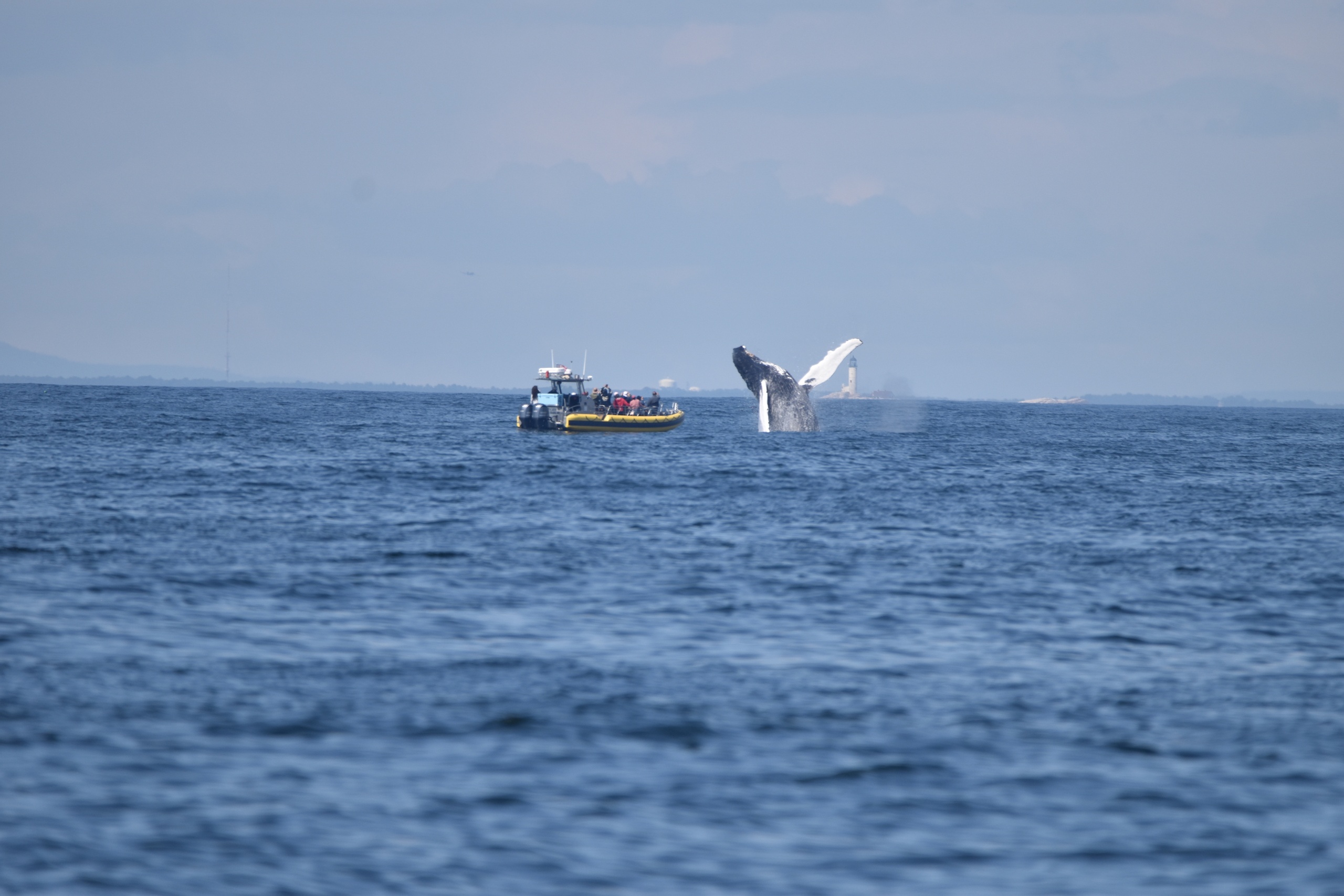
Historically the New Hampshire seacoast has been a working waterway. Lobstermen, ferry captains, and shore communities have read the sea for generations; whale watching is a recent overlay on that maritime culture. Local operators and harbor towns have adapted, offering half-day or full-day cruises that carry passengers to productive feeding areas. On any given season, humpback whales are the most commonly observed—rolling and lunge-feeding in dramatic arcs—while fin and minke whales make briefer, stealthier appearances. Sightings of rare or protected species are possible but unpredictable; right whales are critically endangered and treated with special protections, shaping rules and approaches to responsible viewing.

Part of the appeal here is accessibility. Oyster River sits within reach of Portsmouth, Rye, and other Seacoast launching points, so you can combine a whale watch with a morning tide-pooling walk, a lighthouse visit, or an afternoon of coastal kayaking in calmer estuaries. For photographers and naturalists, the light off the New Hampshire coast can be arrestingly clear—mise en scène for flukes, blow, and seabird flurries.

But the experience is also weathered by real marine conditions. Fog, wind, and swell shape every outing, and the best days combine moderate seas with active foraging. Responsible providers run trips that emphasize safety and conservation—keeping distances, reporting entangled animals, and sharing ecological context. For travelers, that means an outing that’s as much about learning as it is about spectacle: understanding prey dynamics, seasonal migrations, and the human role in a changing ocean. Planning with that context—season, vessel choice, and a readiness for cool, wet conditions—turns a whale watch from a bucket-list sighting into a meaningful connection to place.

The food web of the Gulf of Maine drives where and when whales appear. Spring and summer plankton and schooling fish attract baleen whales toward productive upwelling zones; late summer and early fall often concentrate animals along shelf edges and can bring consistent sightings within reach of day trips.

Conservation awareness shapes the modern whale-watch: federal and state rules protect endangered species, and local captains work with marine mammal networks. Guests should expect briefings, restricted approach distances for certain species, and instructions for reporting unusual sightings.

Activity focus: Guided whale-watching cruises and educational sea trips
Typical species: Humpback, fin, and minke whales (sightings vary seasonally)
Trip durations: Half-day (3–4 hours) to full-day pelagics (6–10+ hours)
Closest practical launch points: Seacoast towns near Oyster River (short drive)
Weather-dependent: fog, swell, and wind greatly affect visibility and comfort

Best Time to Visit

Best Months

MayJuneJulyAugustSeptemberOctober

Weather Notes

Sea conditions are the main variable: clear, calm days offer the best visibility; mornings can be foggy, afternoons breezier. Summer offers warmer air but can bring haze; spring and fall can be crisp with clearer light. Always check marine forecasts and operator advisories.

Peak Season

July–September

Off-Season Opportunities

May and October can provide strong migration activity with fewer crowds; early spring sightings are possible but weather is more variable. Winter trips are rare and often cancelled due to sea state.

Frequently Asked Questions

Do I need to book in advance?

Yes. During summer and holiday weekends, popular departures can sell out—book at least several days ahead, and earlier for weekend or holiday dates.

Are whale-watch trips family-friendly?

Most operators welcome families, but check age restrictions and safety briefings. Bring motion-sickness prevention for kids and adults prone to seasickness.

What happens if weather cancels the trip?

Operators typically offer rescheduling or refunds for weather-cancelled trips. Confirm refund and reschedule policies before booking.

Choose Your Experience Level

Beginner

Half-day coastal cruises that stay closer to shore; shorter runs and interpretive narration make these ideal first-time watchers and families.

  • Morning half-day whale watch from a nearby harbor
  • Short seabird-and-whale combo cruise
  • Estuary birding and tidepooling paired with an afternoon coastal trip

Intermediate

Longer trips to shelf edges or mixed-species excursions for photographers and naturalists; expect more time offshore and variable sea conditions.

  • Full-day pelagic cruise targeting feeding grounds
  • Photography-focused departures with behavior briefings
  • Combined whale-watch and marine ecology interpretive trips

Advanced

Chartered or research-linked outings for experienced mariners and citizen scientists—these can involve longer runs, deeper-water pelagic conditions, and participation in data collection.

  • Private charter to remote feeding areas
  • Citizen-science trip with data collection or tagging observation (operator-dependent)
  • Offshore pelagic voyages requiring sea comfort and longer exposure to swell

Insider Tips & Local Knowledge

Weather and sea state determine success—plan flexibly and prioritize safety.

Arrive ready for changing conditions: layered clothing beats a single heavy garment. Early-morning departures often mean calmer seas and cleaner light for photography; late-afternoon trips can coincide with active feeding. Choose your vessel based on your priorities: smaller boats give intimacy and quicker maneuvering for photo ops but can be rougher; larger boats are steadier and offer more amenities. Ask operators about their conservation policies—how they handle endangered species, approach distances, and reporting protocols. If you’re tracking a specific species, bring a notepad and note GPS coordinates and time of sightings; many local groups welcome citizen observations. Lastly, pair a whale watch with shore-based activities—tidal flats, lighthouse walks, and local seafood spots enrich the day and reduce the stress of variable sea conditions.

What to Bring

Essential

  • Warm, layered clothing and a windproof/waterproof outer shell
  • Motion-sickness medication or bands if you’re susceptible
  • Binoculars and a camera with a modest telephoto lens
  • Closed-toe shoes with good grip
  • Reusable water bottle and small snacks tucked in a secure bag

Recommended

  • Hat and polarized sunglasses for glare reduction
  • Light gloves and a warm hat for early-morning or breezy afternoons
  • Waterproof phone case or dry bag
  • Field guide or app for identifying whales and seabirds

Optional

  • Teleconverter or longer lens for photography (if permitted aboard)
  • Notebook for jotting behavioral notes and coordinates
  • Small pair of earplugs if you’re sensitive to engine noise

Ready for Your Whale Watch Adventure?

Browse 6 verified trips in Oyster River with instant booking

Explore Top 15 Oyster River, New Hampshire Adventures →