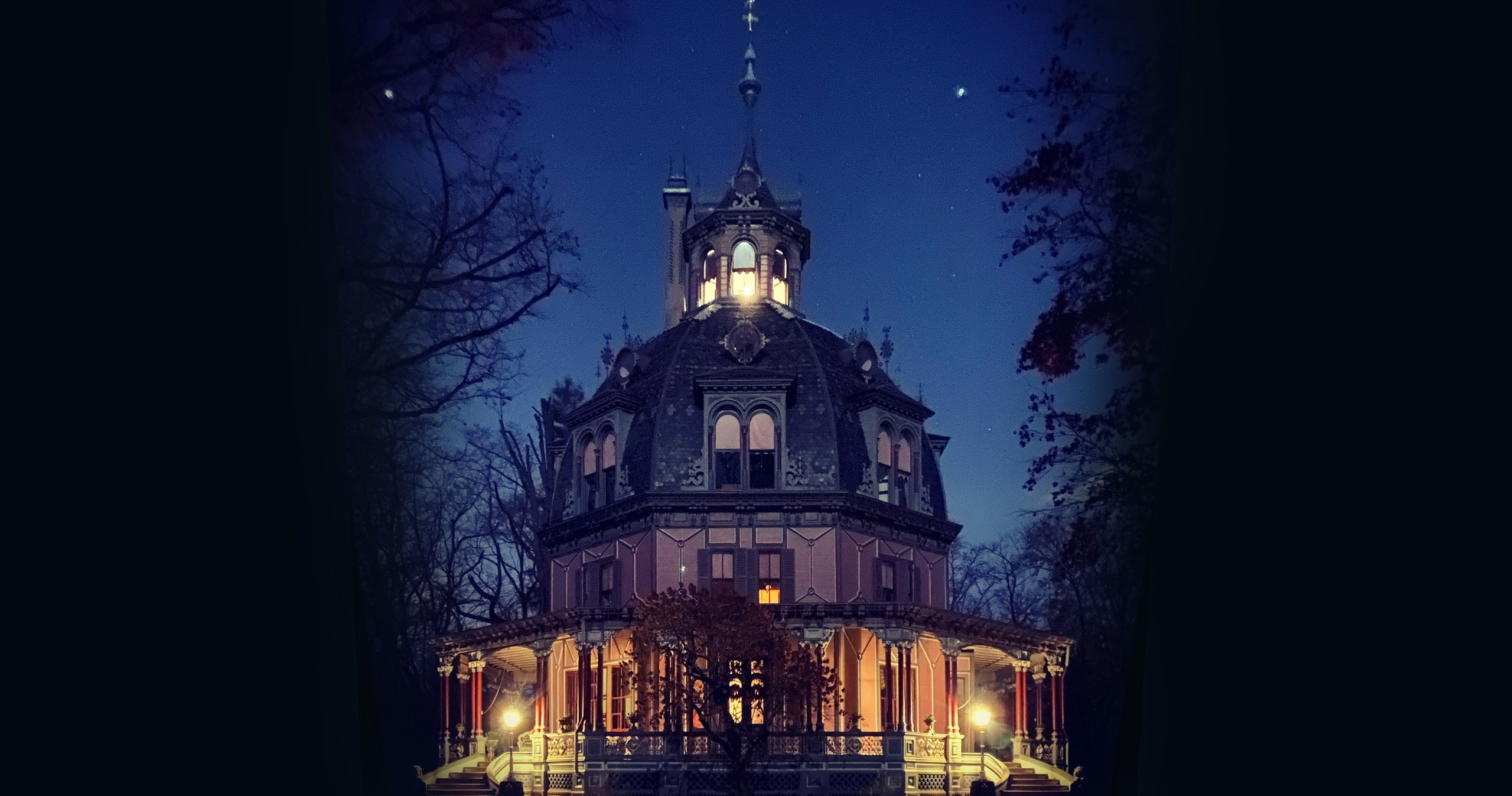
Oyster Bay is a study in contrasts that plays well to deliberate photographers: raw tidal flats sit a short walk from refined Gilded Age estates, and working waterfronts hum while the sky over Long Island Sound composes itself into long, clean light. For photographers, that means accessible subject diversity within small geographic radii—coastal birds in the morning, sculptural branches and formal gardens by mid-day, and low-angle harbor reflections at sunset. The town’s human-scale streets and historic architecture lend themselves to intimate street and portrait work, while nearby preserves and the open sound expand into wildlife and seascape opportunities. A single day can deliver layered storytelling: board a short boat trip at dawn to chase oystercatchers and herons, transition to an afternoon workshop at Planting Fields for controlled floral and architectural studies, then finish with a twilight harbor shoot where long exposures soften the tide’s motion.
What makes Oyster Bay especially well-suited to guided photography experiences is accessibility. Many prime shoots are walkable from town centers or accessible via short drives, reducing gear schlepping and maximizing shooting time. Local guides and small-boat operators know tide windows and blind locations for shorebirds—critical intel if you want sharp behavior shots without disturbing habitat. Seasonality adds reliable rhythms: spring migration thickens the skies and salt marsh edges with activity; summer offers soft pastel sunsets and garden blooms; fall introduces cleaner air, migrating waterfowl, and a warm shift in foliage tones; winter provides stark, moody seascapes and empty piers for minimalist compositions. While Oyster Bay sits within reach of New York City’s light dome, pockets of low local light and open water provide surprisingly photogenic night opportunities, especially on clear, cold nights when the Milky Way edges into view above the sound. Whether you’re a casual traveler seeking a guided harbor stroll or a workshop photographer chasing craft and critique, Oyster Bay’s compact coastline and ecosystem variety make it an efficient place to learn, practice, and return home with a cohesive body of work.
Guided tours in Oyster Bay are typically tailored: half-day harbor tours focus on tide-lit seascapes and shorebirds; garden-based workshops at Planting Fields emphasize composition and natural light for floral and architectural subjects; evening tours concentrate on long exposures and reflective surfaces. Small-group formats keep disturbance to wildlife low and allow instructors to provide individualized feedback.
Practical logistics matter here: tide charts, sunrise/sunset times, and local weather forecasts shape the shoot. Tour operators and local photo guides often coordinate with boat captains and preserve staff to time blinds and marsh-edge access. For travelers, pairing a photography tour with kayaking, birdwatching, or a Sagamore Hill visit creates a varied itinerary that pairs technical learning with local context.
Choose by purpose
Whale watching, snorkeling, sunset sailing, cultural canoeing, harbor sightseeing, or private chartering.
Start near the city
Waikiki and Honolulu Harbor are primary hubs, with some trips launching near Hanauma Bay.
Confirm the vessel
Gangways, shaded seating, and boarding requirements vary according to vessel size and operator.