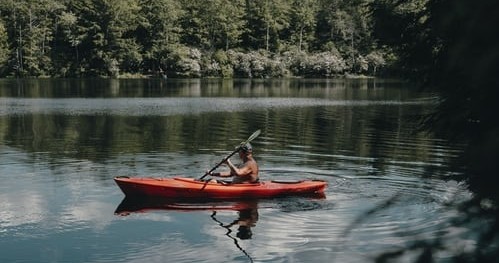
Kayak Orient: Sea-Kayaking, Harbor Paddles & Island-Edge Explorations
Orient is where salt meets shoreline in its most approachable form: sheltered coves, sweeping bay views, and rock‑edged headlands that reward a short paddle with quiet solitude. This guide focuses on kayaking—sea, coastal, and calm-water options—laying out tides, wind, launch points, and day-trip ideas for paddlers of all levels. Expect a maritime landscape of tidal flats, maritime forest edges, and open-bay crossings that can flip from glassy to brisk in a single afternoon.
Top Kayak Trips in Orient
17 trips • Book with confidence • Instant confirmation
Why Orient Is a Special Place to Kayak
The peninsula at Orient narrows the Atlantic and the Sound into a corridor of tidal drama: a place where currents shape shoals, bluffs frame wide water, and wind funnels along the point. For paddlers this creates a compact classroom of coastal skills. You can launch from a protected harbor and, within an hour, find yourself skirting a sea‑scoured shoreline or paddling across a broad bay beneath a ferry’s wake. That variety matters: it lets beginners build confidence in calm coves while offering intermediate paddlers short, satisfying crossings and scope for learning to read tides and wind.
Beyond technical value, Orient’s paddling is quietly rewarding. The shoreline alternates between low beaches and sculpted outcrops, salt marshes that hold flocks of shorebirds, and headlands where ospreys quarter the water. Early mornings and late afternoons bring the best light for wildlife and the most forgiving winds. Local operators and community groups have built a culture of stewardship: paddlers often trade route tips, keep an eye on launching etiquette, and emphasize leaving tidal habitats undisturbed. That community makes Orient not just an entry point to Long Island paddling, but a thoughtful one.
Finally, geography makes Orient a launchpad. Short crossings open to broader Gardiners Bay and to a scattering of accessible coves and beaches. On many days you can combine pursuits—paddle to a beach for a swim, bring binoculars for migrating birds along the marshes, or tie off for a coastal walk through maritime forest. For trip planning this means flexibility: half-day harbor loops, single‑day point circumnavigations, and guided excursions that scope an overnight or link with local wildlife watching. Each option centers the kayak as the most direct way to feel the place—its currents, its scale, and its quiet intertidal life.
Orient’s compact coastline compresses diverse conditions into short distances: sheltered coves sit minutes from open-bay paddling, so you can scale trip difficulty without long drives.
Tides and wind dominate trip planning. Familiarity with local tide tables and an eye on afternoon onshore or offshore breezes makes the difference between a serene paddle and a strenuous return.
Wildlife and shore access are highlights—bring the right kit to pause for seals, shorebirds, and intertidal foraging without disturbing sensitive areas.
Best Time to Visit
Best Months
Weather Notes
Late spring and early fall offer the most stable winds and comfortable air temperatures. Summer brings warmer water but also stronger afternoon breezes and more recreational traffic. Winter and early spring are cold and can be windy; water temperatures are low and hypothermia risk increases.
Peak Season
July–August sees the highest recreational use, including motorboat and ferry traffic.
Off-Season Opportunities
Shoulder seasons (May–June, September–October) provide quieter waters, migrating birds, and cooler paddling conditions with fewer day-trippers.
Frequently Asked Questions
Do I need a permit to launch a kayak in Orient?
Launch access varies by property—public launch sites exist, but some beaches and private ramps require permission. Check local town sites or ask your outfitter for current launch options.
Are the waters safe for beginners?
Many sheltered coves and harbors around Orient are suitable for beginners on a calm day. Open-bay crossings and narrow channels with strong tidal currents are best attempted with experience or a guide.
How do tides and currents affect paddling here?
Tides can strongly influence currents in channels and near the point. Plan routes to avoid long paddles against an ebb or flood and consult tide tables before heading out.
Choose Your Experience Level
Beginner
Flat-water harbor loops and short paddles in protected coves. Ideal when winds are light and tidal motion minimal.
- Short harbor paddle with beach stop
- Protected cove loop with birdwatching
- Guided intro lesson and safety orientation
Intermediate
Longer bay crossings, point-to-cove routes, and paddles that require tide and wind planning. Expect moderate open-water exposure and some boat traffic.
- Circumnavigation of Orient Point segments
- Cross-bay day trip to nearby public shorelines
- Open-water skill-building session
Advanced
Tidal channel runs, longer crossings in variable winds, and trips that require navigation near ferry lanes and working harbors. Capable of self-rescue and expedition planning.
- Planned tidal-channel passage with current timing
- Long-distance coastal traverse with navigation
- Group tow-and-rescue practice in coastal conditions
Insider Tips & Local Knowledge
Local conditions change quickly—check tide tables, marine forecasts, and launch access before you go.
Launch early for calm water and cooler winds; late afternoons often bring increased sea breeze that can make returns harder. Respect sensitive shorelines and marshes—land only at designated public beaches and avoid trampling cordgrass. Use a tide app to plan passages through narrow channels and aim to time crossings near slack tide when possible. If unfamiliar with the area, book a guided trip for local route knowledge and safety. Finally, carry extra water and a charged phone in a waterproof case—cell coverage can be spotty, and being able to call for help or check a chart is crucial.
What to Bring
Essential
- Spray skirt or splash jacket (depending on kayak type)
- Personal flotation device (PFD) suitable for sea conditions
- Waterproof dry bag with water, snacks, and sun protection
- Basic navigation: phone with downloaded charts or paper chart and compass
- Whistle and signaling mirror
Recommended
- Tide and current app or printed tide tables for the area
- Light wind shell and quick-dry layers
- Sun hat and polarized sunglasses
- Small first-aid kit and repair kit (fin or paddle leash, duct tape)
- Map case and binoculars for birding
Optional
- Rash guard or wetsuit top for cooler-water paddles
- Water shoes for rocky launches and landings
- Waterproof camera or action-cam with mount
- Towline for group paddles
Ready for Your Kayak Adventure?
Browse 17 verified trips in Orient with instant booking
Explore Top 15 Orient, New York Adventures →