Dolphin Watching & Encounters in Orange City, Florida
Tucked inland but threaded by tidal rivers and estuarine channels, Orange City is a quieter launch point for dolphin experiences in northeast Florida. From glassy river mornings to short coastal runs, local outfitters run nearshore and river-based trips that bring visitors into the same currents where bottlenose dolphins hunt, play, and socialize. This guide focuses on how to see dolphins ethically, where to paddle or board for the best vantage, and which complementary activities—birding, manatee viewing, and inshore fishing—pair well with a day on the water.
Top Dolphin Trips in Orange City
11 trips • Book with confidence • Instant confirmation
Why Orange City Is a Smart Base for Dolphin Experiences
There’s a particular hush before sunrise along the St. Johns and its tributaries — a mix of brackish river air, oaks dripping Spanish moss, and the occasional metallic scent of salt pushed inland by an outgoing tide. From that quiet, a spray or the flash of a dorsal fin can feel like a punctuation mark: dolphins confirming the rich, connected life of Florida’s estuaries. Orange City sits inland enough to feel removed from the constant bustle of the coast, yet close enough to tidal channels and nearshore runs where bottlenose dolphins move predictably with the tides and schools of baitfish.
What makes the area compelling is its variety of settings. On calm mornings you can launch a kayak from a narrow river park and watch dolphins work a channel where freshwater and salt mingle; on other days captains run short coastal trips that skirt the Halifax and Mosquito Lagoon fringes for pod encounters. The landscape is not one dramatic cliff or wide-open sea but a stitched geography of marsh, eelgrass, and winding creek mouths that create feeding hotspots. That complexity produces different kinds of encounters: inquisitive juveniles investigating bow wakes, hunting arcs of adults splitting schools, and casual, social groups riding the current. For thoughtful travelers, Orange City offers an approachable way to experience marine mammals without the intensity of high-traffic tourist piers.
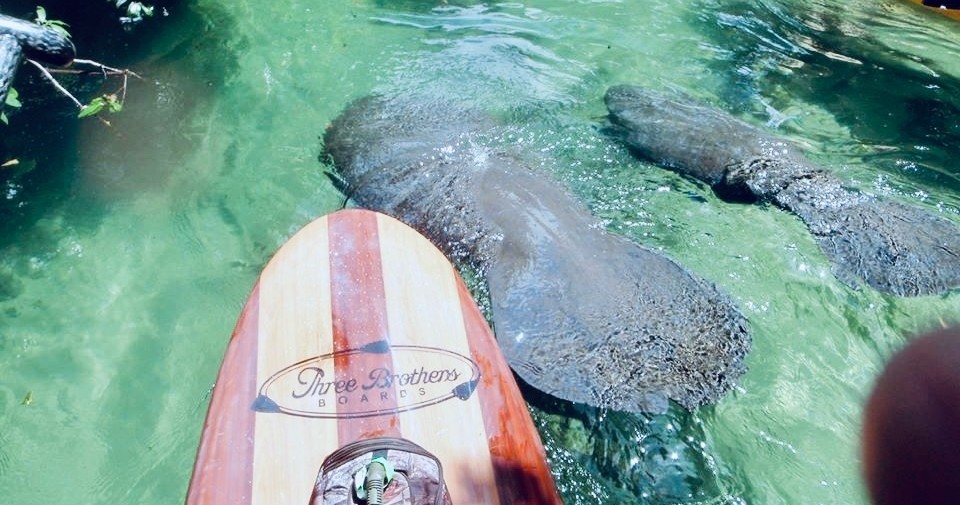
There’s also a cultural and environmental layer to these encounters. These tidal waterways have been travel corridors for generations—Indigenous peoples, colonial settlers, and commercial fishermen all read the rhythms of the river to move goods and harvest food. Today local guides, researchers, and park stewards are part of a quieter conservation network: reporting sightings, tracking pods, and advocating for seagrass and water-quality protections that support the fish populations dolphins depend on. Pairing a dolphin trip with a visit to nearby Blue Spring State Park, a birding outing, or a guided paddle gives a fuller picture of the estuary’s ecology: dolphins are the most visible sign of a healthy food chain. When you plan a trip here, you’re not only chasing the thrill of a sealess horizon and sudden arcs of spray—you’re stepping into a living watershed where tides, weather, and human stewardship determine the rhythms of wildlife viewing.
Accessible proximity: Orange City provides shorter drives to launch points and calmer river conditions compared with busier coastal marinas.
Varied encounter types: Expect everything from shore-adjacent pod sightings to small-boat or kayak approaches in estuarine channels.
Conservation context: Local guides emphasize ethical viewing—keeping distance, avoiding chases, and supporting habitat protections.
Complementary wildlife: Dolphin trips often overlap with birding hotspots and manatee-safe winter zones, creating multi-species experiences.
Best Time to Visit
Best Months
Weather Notes
Dolphins are present year-round in northeast Florida, but local visibility and behavior shift with weather and tides. Spring and fall bring calmer seas and stable weather windows that favor on-water trips. Summer afternoons are prone to pop-up thunderstorms; early-morning launches reduce wind and glare. Cold fronts in winter can alter movement patterns and temporarily increase human-wildlife interactions as animals adjust to changing prey distribution.
Peak Season
Shoulder seasons (spring and fall) tend to provide the most consistent conditions for calm water and frequent sightings.
Off-Season Opportunities
Winter can offer unique overlap with manatee-viewing at spring runs; summer offers warm water and the chance to see calves but expect more boat traffic.
Frequently Asked Questions
Do I need a permit to go dolphin watching from Orange City?
Most recreational dolphin-watching trips do not require a permit for passengers, but commercial operators are licensed and follow specific guidelines. Check with launch sites or outfitters for any local access rules or fees.
Can I swim with wild dolphins?
Swimming with wild dolphins is discouraged and often illegal depending on local regulations. Maintain respectful distance; join guided programs that follow federal and state marine mammal protection guidelines.
What’s the best way to see dolphins if I don’t want to go offshore?
River-based kayak, paddleboard, or short estuary boat trips can bring you close to feeding or traveling dolphins without long coastal runs. These trips often offer calmer conditions and intimate viewing.
Choose Your Experience Level
Beginner
Shoreline and short, guided kayak or paddleboard trips suitable for first-time wildlife viewers or families.
- Short river kayak dolphin watch
- Half-day estuary boat tour
- Shoreline viewing from river parks at high tide
Intermediate
Longer inshore boat charters, photography-focused outings, and guided multi-hour paddles that require basic comfort on the water.
- Morning nearshore dolphin charter
- Guided photo-focused boat trip
- Combination birding-and-dolphin paddle
Advanced
Extended coastal runs, seasonal research- or volunteer-led expeditions, and small-group offshore trips that require experience with seas and boat safety.
- Offshore dolphin and marine life expedition
- Volunteer sighting surveys with local researchers
- Multi-hour navigation through tidal channels and passes
Insider Tips & Local Knowledge
Follow guide direction and federal/state marine mammal rules; conditions and pod behavior change with tides and weather.
Aim for morning launches—wind and boat traffic are lower and dolphins are often most active at first light. Tides matter: outgoing tides can concentrate baitfish and produce more predictable feeding behavior. If you’re paddling, use a licensed guide the first time to learn safe channels and boat etiquette. Bring binoculars and a moderate zoom lens rather than trying to get too close—guides often find that dolphins will approach curious, quietly run vessels if given space. Pair a dolphin trip with a visit to Blue Spring State Park (for manatees in winter), a guided birding trip for tidal marsh species, or an inshore fishing charter to better understand the food web that supports dolphin activity. Finally, support operators who emphasize low-impact viewing, report sightings to local research programs when appropriate, and practice leave-no-trace principles around launch sites.
What to Bring
Essential
- Binoculars or a small spotting scope
- Sun protection: hat, sunglasses, reef-safe sunscreen
- Reusable water bottle and light snacks
- Light waterproof layer for spray and wind
- Camera with a zoom lens or a fast phone camera
Recommended
- Motion-sickness medication if you’re prone to seasickness
- Dry bag for electronics and a change of clothes
- Light footwear suitable for kayaks or boat docks
- Portable power bank for phones and cameras
Optional
- Polarized sunglasses for reducing glare and seeing into the water
- Compact field guide for regional birds and marine mammals
- Small notebook for sightings and tide observations
Ready for Your Dolphin Adventure?
Browse 11 verified trips in Orange City with instant booking
Explore Top 15 Orange City, Florida Adventures →