1

Top Kayak Adventures in Okaloosa Island, Florida

Okaloosa Island, Florida

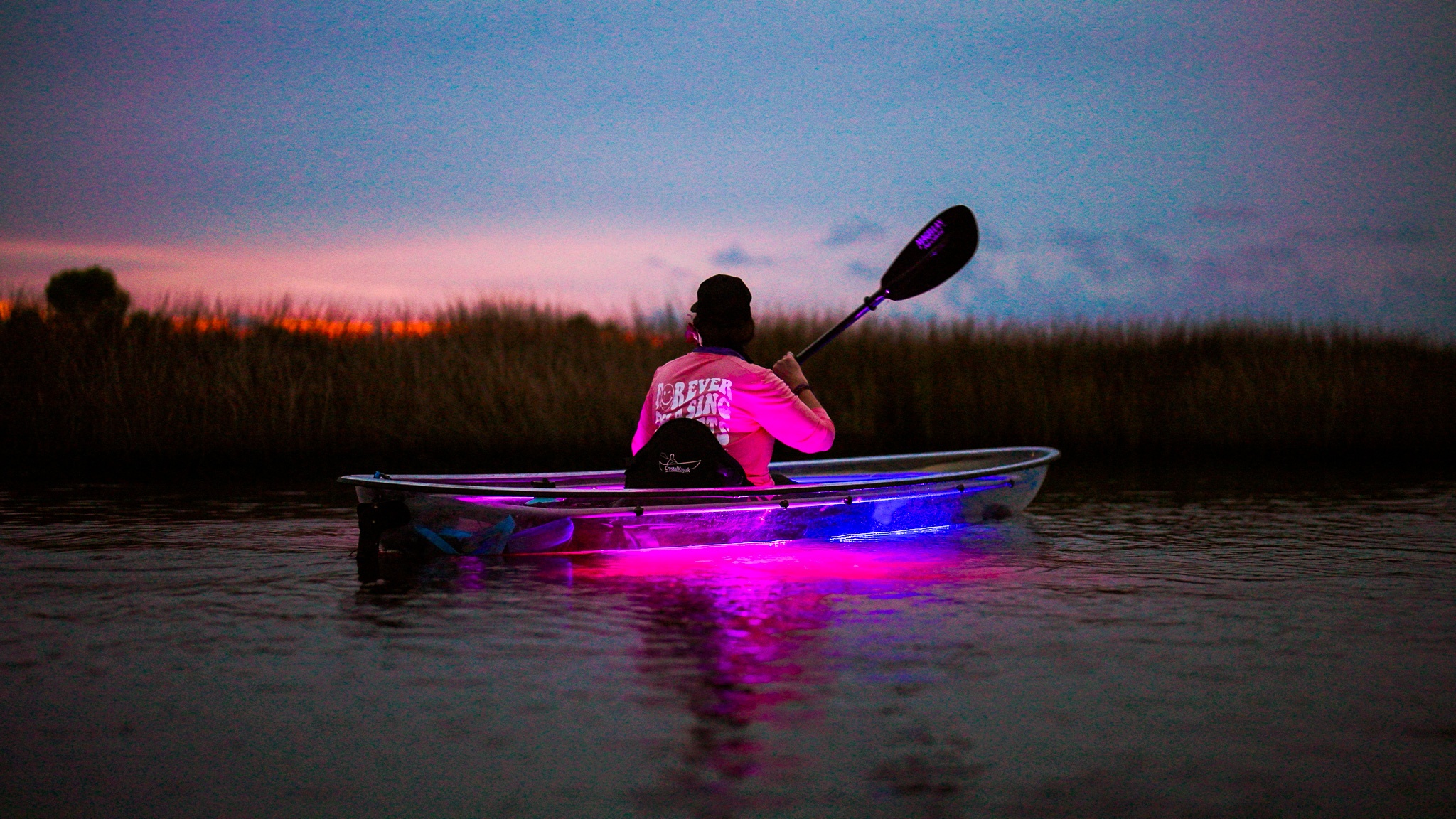
Okaloosa Island compresses a surprising range of coastal kayaking into a narrow barrier island and its protected waters: glassy back-bays rimmed with seagrass and oysters, shallow tidal creeks braided into maritime forests, and open Gulf paddles where the horizon stretches uninterrupted. Whether you're chasing dawn-lit flats for sighting dolphins and rays, threading mangrove fingers by paddle, or launching a guided eco-trip to learn about local estuaries, the island's compact geography makes day-planning efficient and highly accessible. Expect calm, clear paddling that rewards wildlife watching, easy shuttle logistics for point-to-point routes, and a palette of complementary beach activities—snorkeling, fishing, and stand-up paddleboarding—if you want to stretch an outing into a full coastal day.

13
Activities
Year-Round (best spring & fall)
Best Months

Top Kayak Trips in Okaloosa Island

13 trips • Book with confidence • Instant confirmation

Why Okaloosa Island Is a Standout Kayaking Destination

On Okaloosa Island, kayaking is less a single activity than a dozen small experiments in light, tide, and coastal life. Push off from a sand-shelf launch and the world immediately narrows to the scale of the paddle: the subtle ripple on a bay, the soft curve of a mangrove root, a sudden spray as a dolphin threads the shallows. The island sits at the seam where the open Gulf, the sound, and a network of estuarine channels meet. That intersection creates varied paddling conditions inside a few miles: placid flats in the morning, deeper channels where currents can nudge your route at mid-tide, and wide water where a steady breeze sculpts whitecaps. For sea kayakers and recreational paddlers alike the variety is a gift—you can plan a sheltered wildlife-focused half-day or a longer exposed paddle to the edges of the barrier island.

Ecology is the rhythm of every trip here. Seagrass beds carpet the shallow benthos and feed manatees and green turtles; schools of silverfish flash underfoot; oystercatchers and roseate spoonbills forage the intertidal. That concentration of life makes Okaloosa an especially good place for guided eco-tours and photography-focused paddles. Local outfitters often combine brief naturalist talks with route choices that maximize wildlife sightings while minimizing disturbance to sensitive habitats. History, too, is stitched into the shoreline: fishing piers, old coastal cottages, and the maritime culture of the Choctawhatchee Bay reveal how humans have navigated and relied on these waters for generations.

Practical planning is straightforward but essential. Tides in the sound and bay can alter launch conditions and expose oyster bars; wind can turn a placid morning into a choppy crosswind by late afternoon. Because the island is narrow, parking, shuttles, and rental logistics are convenient—most launch points are minutes from lodging and restaurants—but popular summer weekends bring more traffic and busy launches. Seasonality matters mainly for comfort: spring and fall offer mild temperatures and fewer storms, summer brings heat and afternoon thunderstorms alongside peak tourism, and winter brings the clearest light and quieter water but cooler air and water temperatures. Conservation-minded planning—staying off fragile dunes, respecting posted closures, and using established launch points—keeps these places healthy and paddles viable for everyone.

Finally, Okaloosa caters to a broad range of paddlers. Newcomers find calm, flat-water options within protected bays and slow tidal creeks; intermediate paddlers can experiment with tidal timing and longer bay crossings; experienced sea kayakers can push routes along the Gulf-facing shoreline on calmer days or combine trips with nearby barrier islands for an island-hopping experience. Complementary activities—snorkeling clear patches of Gulf bottom, fishing from a kayak or shore, birding the sound—turn a single paddle into a layered coastal adventure. The result is a small, concentrated, and highly rewarding kayak destination where a few hours on the water can feel like a deep immersion into Florida's coastal ecology and maritime character.

Compact landscape: barrier-island geography and adjacent bay systems make short logistics and many route options possible within a single day.

Ecology-forward: seagrass beds, tidal flats, and mangrove fingers concentrate wildlife viewing and make guided eco-tours particularly valuable.

Activity focus: Coastal kayaking & estuary exploration
Total curated kayak experiences: 13
Typical trip lengths: 1–5 hours (half-day most common)
Common hazards: tides, oyster bars, afternoon thunderstorms, sun exposure
Multiple public launch points with nearby parking; some private-rental-only launches

Best Time to Visit

Best Months

MarchAprilMaySeptemberOctoberNovember

Weather Notes

Spring and fall deliver the most comfortable paddling temperatures and lower insect pressure. Summer is hot with frequent afternoon thunderstorms and higher visitation; winter is mild and quieter but brings cooler water temperatures and clearer skies.

Peak Season

Late spring through early fall (Memorial Day to Labor Day) sees the highest local visitation and busiest launch points.

Off-Season Opportunities

Late fall through winter offers fewer crowds, crisp light for photography, and enhanced birding—ideal for tranquil paddles and focused wildlife watching.

Frequently Asked Questions

Do I need permits to kayak around Okaloosa Island?

Most day paddles do not require permits. However, certain protected areas or state-managed lands may have rules or seasonal closures—check local signage and verify with county park offices for specific launch sites.

How do tides and currents affect routes?

Tides can expose oyster bars and shift channel depths; plan trips around mid to high tide for easier navigation in shallow flats and check local tide charts. Currents in bay inlets can be stronger on large tide swings—time crossings accordingly.

Are rentals and guided tours available?

Yes. Local outfitters provide single and tandem kayaks, SUPs, and guided eco-tours that include wildlife interpretation and suggested routes for varied skill levels. Reservations are recommended during peak season.

Choose Your Experience Level

Beginner

Calm, flat-water routes in the sound and protected bays; short, sheltered loops with minimal tidal navigation and easy shore access.

  • Short Choctawhatchee Bay loop
  • Mangrove creek exploration
  • Guided wildlife-and-wildflower half-day

Intermediate

Longer bay crossings, tide-aware routes with light current, and point-to-point shuttles. Requires basic navigation skills and comfort on open water when conditions are moderate.

  • Point-to-point paddle along the sound with shuttle
  • Mixed bay and inlet route timed with tide
  • Half-day coastal exploration with shallow flats

Advanced

Exposed Gulf paddles, longer crossings linking barrier islands, or multi-hour routes requiring strong navigation, weather-reading skills, and self-rescue competence.

  • Gulf-facing coastal traverse (calm conditions only)
  • Island-hopping along contiguous barrier shoals
  • Long-distance estuary-to-inlet circumnavigation

Insider Tips & Local Knowledge

Confirm launch access, tide times, and local weather before departing. Respect wildlife and fragile shorelines.

Start paddles at first light for calm water and the best chance to see dolphins and manatees. Check tide tables and plan to cross shallow flats near mid-to-high tide to avoid getting stuck on oyster bars. If you're new to the area, hire a local guide for your first outing—they’ll show protected launch points, ideal wildlife windows, and the small hazards that aren’t obvious on a map. Pack a hat tethered to your PFD and apply reef-safe sunscreen; shade is limited on many stretches. Leave shoreline vegetation intact—dune grasses and mangroves are actively managed to prevent erosion. Finally, consider combining a morning paddle with an afternoon snorkel or beach walk to get the full scope of Okaloosa’s coastal character.

What to Bring

Essential

  • Personal flotation device (PFD) — required by law in the U.S.
  • Sun protection: wide-brim hat, sunglasses with retention strap, reef-safe sunscreen
  • Dry bag for phone, layered clothing, and any medication
  • Water (1–2 liters) and salty snacks
  • Footwear that can get wet and protect from oyster beds

Recommended

  • Map or screenshot of tide/current schedule for the day
  • Light long-sleeve sun shirt for UV protection
  • Whistle and small signaling mirror
  • Waterproof phone case or VHF for longer Gulf crossings

Optional

  • Binoculars for birding
  • Underwater camera or action camera for snorkeling spots
  • Compact first-aid kit with blister care
  • Neoprene booties for cooler months

Ready for Your Kayak Adventure?

Browse 13 verified trips in Okaloosa Island with instant booking

Explore Top 15 Okaloosa Island, Florida Adventures →