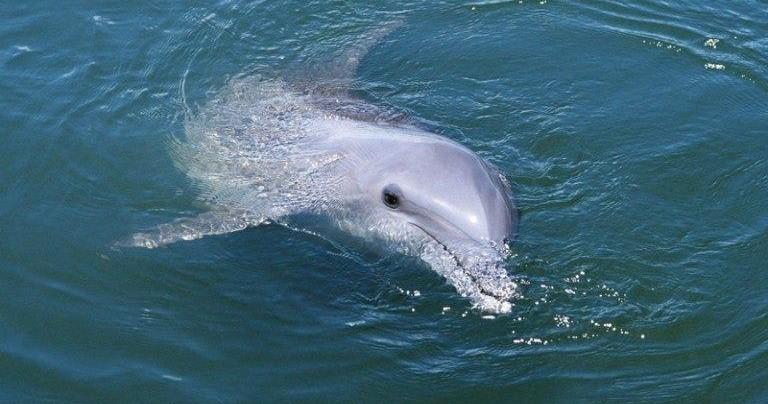
Best Dolphin Experiences on Okaloosa Island, Florida
Okaloosa Island’s shallow Gulf shelf creates a stage for frequent, close-up dolphin sightings—curious bottlenose pods, acrobatic juveniles and the occasional spinner show off along barrier-island beaches and calm inlet channels. This guide focuses on getting you into respectful, memorable dolphin encounters: shore-spotting, guided boat trips, kayak tours, and snorkeling swims that put you near the animals but keep their welfare first.
Top Dolphin Trips in Okaloosa Island
61 trips • Book with confidence • Instant confirmation
Why Okaloosa Island Is a Standout Dolphin Destination
There’s an intimacy to dolphin watching on Okaloosa Island you don’t always get on larger, deeper-water coasts. The continental shelf here drops gently and the Gulf’s turquoise shallows combine with protected inlets and bays to form feeding corridors where fish concentrate and dolphins follow. Because pods often work the nearshore waters, sightings are frequent from the sandline, and small-boat tours can approach without traveling far offshore. The result is an experience that feels immediate—dorsal fins slicing silver, bow-riding juveniles, and the odd morning chorus of whistles and clicks that mark social life below the surface.
Beyond the spectacle, Okaloosa’s dolphin activity is tightly tied to local ecology and human patterns. Tidal cycles, baitfish movements, and the day’s light all influence where pods will be, and local captains learn these patterns intimately. That local knowledge makes a difference: a morning trip guided by someone who reads the water will almost always outpace a random afternoon search. The island’s built environment—fishing piers, jetties, and the inlet—also creates predictable hotspots where dolphins hunt, rest, and socialize, offering reliable viewing without long, carbon-heavy runs.
For travelers who want more than a glance, Okaloosa Island offers a range of ways to experience dolphins responsibly. Shoreline observers can time low tides and dawn outings for excellent visibility. Kayak and paddleboard tours give a slower, quieter approach that can bring you closer without disturbing animals, while small-group boat tours provide narrated context about dolphin behavior and the surrounding marine ecosystem. There are also seasonal opportunities to pair dolphin watching with snorkeling over nearshore reefs, birding in coastal marshes, or fishing charters—each offering different vantage points on the same coastal processes that concentrate marine life here.
But the best trips balance curiosity with restraint. The local tourism community increasingly emphasizes codes of conduct: no chasing, no feeding, and respectful distances that allow dolphins to choose their interactions. That ethic preserves the same wildness that draws visitors in the first place. Whether you’re a casual beachgoer hoping to spot a passing pod or an experienced paddler aiming for a silent, close-range encounter, Okaloosa Island rewards patience, local insight, and a mindful approach to wildlife viewing.
The shallow Gulf shelf and sheltered inlets create predictable feeding zones, making dolphin sightings common from shore and on short boat trips.
Responsible operators focus on observation first—educational narration and minimal disturbance are standard among vetted tour companies.
Best Time to Visit
Best Months
Weather Notes
Warm months bring calm seas and active baitfish schools that draw dolphins closer to shore. Summer offers long daylight and smoother Gulf conditions, but thunderstorms can develop quickly—check marine forecasts. Winter and early spring still produce sightings, especially inshore pods, though cooler water and choppier conditions can make small-craft outings less comfortable.
Peak Season
Summer (June–August) offers the most frequent calm, warm days and high sighting rates; holidays and weekends increase tour bookings.
Off-Season Opportunities
Shoulder seasons (spring, early fall) provide fewer crowds, lower prices for tours, and active wildlife during migratory baitfish pulses.
Frequently Asked Questions
Are dolphin sightings guaranteed on tours?
No tour can ethically guarantee sightings—wild animals are unpredictable. Reputable operators maximize chances through local knowledge and by targeting known feeding areas, but responsible companies avoid chasing dolphins to force interaction.
Is it safe to swim with dolphins in Okaloosa Island?
Self-directed swimming toward dolphins is discouraged. Some licensed programs offer guided snorkeling or swim-with experiences under strict protocols, but casual approaches from boats or shore should maintain respectful distance for animal and human safety.
How can I choose an eco-responsible dolphin tour?
Look for operators who follow NOAA or state guidelines, use small, quiet vessels, limit group sizes, provide naturalist commentary, and explicitly ban feeding or chasing. Local conservation partnerships and transparent codes of conduct are good signs.
Choose Your Experience Level
Beginner
Low-commitment ways to see dolphins: beach and pier spotting, short narrated boat trips that stay nearshore, and coastal lookout points.
- Morning shoreline dolphin watch
- 30–60 minute nearshore dolphin cruise
- Okaloosa Island Pier observation at dawn
Intermediate
Hands-on small-group experiences that require light physical activity: guided kayak or paddleboard tours and half-day boat excursions with viewing and snorkeling options.
- Paddleboard dolphin tour of the inlet channels
- Half-day eco-boat trip with snorkeling stop
- Small-group naturalist cruise focusing on dolphin behavior
Advanced
Active, skill-forward options: multi-hour kayak expeditions in varying conditions, photography-focused charters that target specific behaviors, or volunteer and citizen-science trips that combine fieldwork with sightings.
- Sea kayak trip into wider nearshore waters
- Photography charter with experienced naturalist
- Citizen-science dolphin survey with a local research group
Insider Tips & Local Knowledge
Prioritize operators that emphasize animal welfare—never book trips that promote feeding, chasing, or forced interactions.
Start early: dawn and close to low tide often reveal clearer water and concentrated feeding. For photographers, side-light in the morning highlights dorsal fins and reduces backscatter; a polarizer helps cut surface glare. If you kayak or paddle, keep movements slow and predictable—dolphins are curious but spooked by sudden splashes. Always follow crew instructions: maintain distance, power down engines when dolphins approach, and allow animals to leave freely. Check local marine forecasts and watch for brief summer squalls; a calm afternoon can flip to choppy conditions quickly. Finally, pair your dolphin outing with nearby activities—snorkeling over nearshore reefs, birdwatching in coastal marshes, or a sunset walk on Okaloosa Island Pier—to round out a day that’s equal parts wildlife immersion and relaxed beach culture.
What to Bring
Essential
- Sun protection: hat, reef-safe sunscreen, sunglasses
- Reusable water bottle and light snacks
- Light wind- and water-resistant layer
- Binoculars for distant sightings
- Dry bag for phone, camera, and small items on boats or kayaks
Recommended
- Compact telephoto or zoom for wildlife photography
- Polarized sunglasses to reduce surface glare
- Water shoes or sandals with grip for launching kayaks
- Sea sickness remedies if you’re prone to motion sickness
Optional
- Underwater camera or snorkel mask for combined snorkeling trips
- Small towel and change of clothes for post-trip comfort
- Notebook for jotting behavioral observations
Ready for Your Dolphin Adventure?
Browse 61 verified trips in Okaloosa Island with instant booking
Explore Top 15 Okaloosa Island, Florida, United States Adventures →