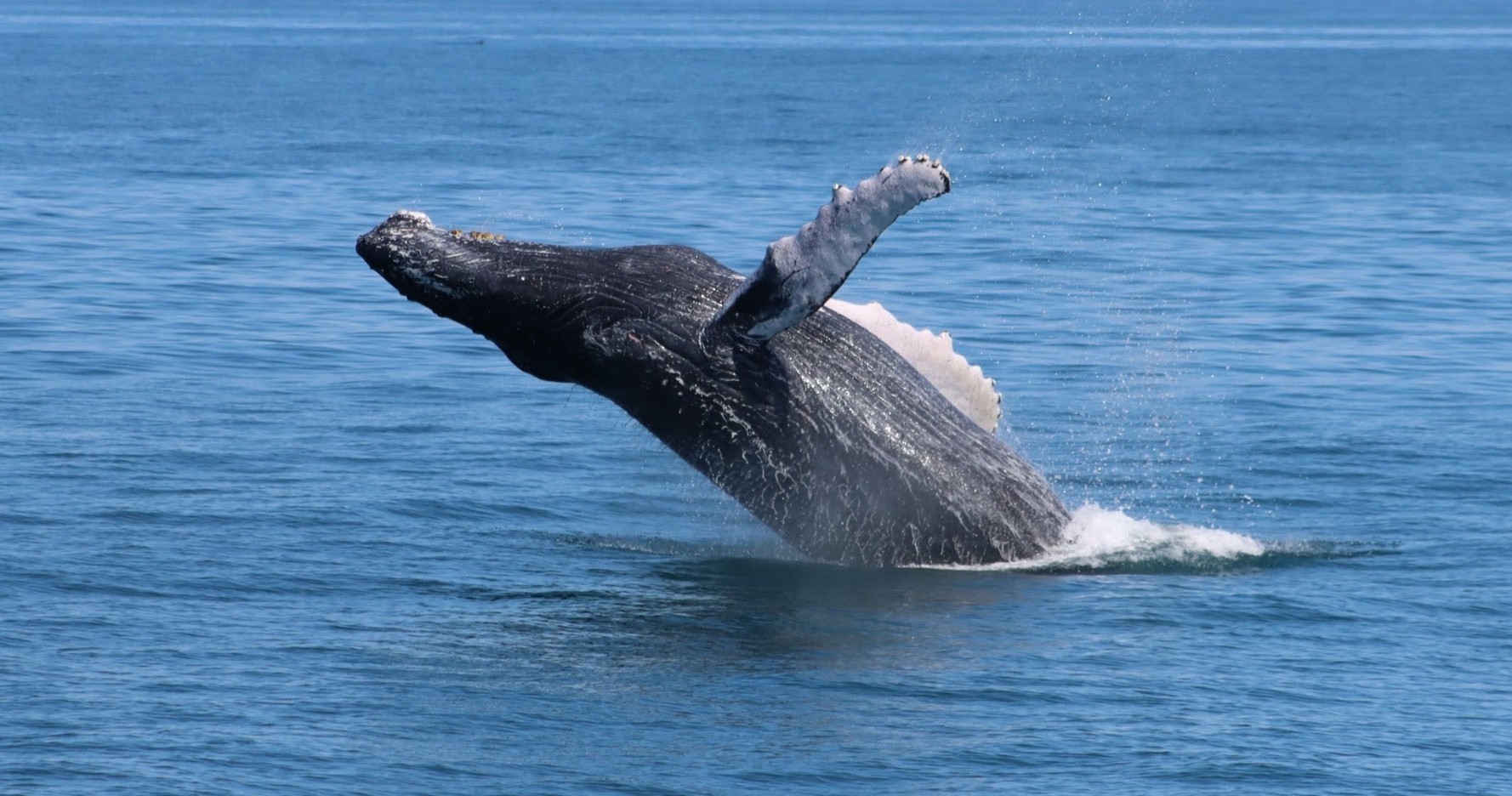
Dolphin Watching in Ocean City, New Jersey: Tours, Shoreline Sightings, and Kayak Encounters
Ocean City’s stretch of barrier islands and the mixing of shallow bays with the open Atlantic create a rich feeding ground for bottlenose dolphins throughout the warmer months. This guide focuses on dolphin-centered experiences—public boat tours, small-boat charters, shore and pier watching, and paddle-based encounters—pairing evocative field notes with pragmatic guidance on seasonality, sightings etiquette, and trip logistics.
Top Dolphin Trips in Ocean City
4 trips • Book with confidence • Instant confirmation
Why Ocean City Is a Standout Place for Dolphin Encounters
There’s a particular human silence that falls over a boat or a pier the instant a dark dorsal fin breaks the glassy skin of coastal water. In Ocean City, that moment is frequent enough to be part of the rhythm of a seaside day. The town sits at the edge of a dynamic coastal system where shallow tidal flats, inlet currents, and seasonal baitfish runs funnel life along the shoreline. Bottlenose dolphins follow that bounty: sometimes traveling in loose, playful pods close to the breakers; other times porpoising along the calmer edges of Barnegat Bay.
The experience in Ocean City is intimate by design. Unlike deep-sea excursions that push miles offshore, many dolphin-focused outings here stay within sight of the barrier islands. Public dolphin-watching cruises use shallow-draft vessels and experienced local captains who read the currents and the telltale seabird activity that often signals dolphin feeding. For paddlers, the feeling is different but no less immediate: a kayak or stand-up paddleboard can place you quietly within earshot of whistles and porpoise chatter if dolphins decide to investigate. Shore-based viewing from the boardwalk, jetties, or Little Egg Inlet can also produce memorable sightings during high tides and baitfish congregations.
Beyond the spectacle, Ocean City’s dolphin encounters are a gateway into coastal ecology. Observing behaviors—bow riding, coordinated hunting, or mothers leading calves—offers insight into seasonal shifts in food chains and the importance of clean, accessible habitat. For travelers, the tradeoffs are simple: boat tours offer range and interpretive context; kayak trips deliver closeness and low-impact observation; shore watching is the most accessible option and often the best choice for families or spontaneous looks between other coastal activities. Layer these dolphin outings with complementary adventures—surf lessons, barrier-island birding, or evening paddle trips—and you have a rounded coastal itinerary that celebrates marine life while keeping ethics and safety front and center.
Dolphin activity in Ocean City is driven by local oceanography: inlet currents, sandbar formation, and baitfish migrations concentrate prey close to shore, creating regular opportunities for sightings—especially from late spring through early fall.
Choosing the right platform matters. Passenger cruises maximize search area and interpretation; private charters are flexible for photographers and families; kayaks and SUPs offer silence and proximity but require paddling skill and an understanding of safe wildlife distances.
Best Time to Visit
Best Months
Weather Notes
Calmer sea states and warmer water in summer produce the most active dolphin sightings; early mornings and late afternoons often offer the calmest conditions for paddling. Afternoon sea breezes can pick up, and occasional summer storms develop quickly—check local marine forecasts before heading out.
Peak Season
June–August
Off-Season Opportunities
Late spring and early fall can deliver fewer crowds and strong feeding events as baitfish move; some operators run reduced schedules outside the summer peak.
Frequently Asked Questions
Do I need experience to join a dolphin kayak or SUP trip?
Operators often offer beginner-friendly trips in protected waters, but participants should be comfortable paddling for the trip duration and able to re-enter their craft from the water. Check operator skill requirements before booking.
Are there guarantees for dolphin sightings?
No reputable operator guarantees sightings—dolphins are wild animals and sightings depend on conditions and animal behavior. Many captains have high success rates during peak season, and longer trips increase encounter odds.
What's the best way to photograph dolphins?
Use a fast shutter speed and continuous shooting mode to capture rapid movement. Polarized sunglasses help scouts locate animals; on boats, stay ready and listen to the captain for sudden direction changes when dolphins are spotted.
Choose Your Experience Level
Beginner
Shore- and pier-based watching, short public cruises on calm days, and guided beginner paddle trips in protected bay areas.
- Boardwalk or pier dolphin watching
- 1-hour public dolphin cruise
- Guided bay SUP intro with wildlife spotting
Intermediate
Half-day cruises that range wider offshore, private small-boat charters for focused watching or photography, and multi-mile paddle routes along inlet edges.
- Half-day dolphin-watching cruise
- Private small-boat charter for photography
- Inlet-to-bay paddle with wildlife focus
Advanced
Longer-range excursions that require open-water boat handling, advanced paddleboarding skills for longer distances, or photography-focused charters that may operate in choppier conditions.
- Offshore charter targeting feeding aggregations
- Advanced distance SUP/kayak along barrier island shorelines
- Photography charter with expert captain
Insider Tips & Local Knowledge
Respect distance, watch for changing conditions, and favor operators that follow responsible wildlife-viewing practices.
Start your day early. Mornings often bring glassy water and calm wind, increasing both comfort and sighting odds. When booking, ask captains how they locate dolphins—look for operators that use seabird activity and current knowledge rather than rote routes. If paddling, launch with a partner and carry a whistle, leash, and VHF or mobile means to call for help; conditions in the inlet can change rapidly. For photographers, position yourself on the shaded side of a boat to reduce glare and keep lenses capped until the captain gives the all-clear—sightings are fast and unpredictable. Finally, maintain a respectful distance: avoid encircling animals, never attempt to touch, and follow any state or federal guidelines provided by your guide to protect both dolphins and the local fishery that sustains them.
What to Bring
Essential
- Wind- and water-resistant outer layer
- Sunglasses with a retainer and polarized lenses for glare reduction
- Water bottle and light snacks
- Binoculars (compact 8x–10x)
- Sun protection: hat, sunscreen, lip balm
Recommended
- Small dry bag for phone and wallet
- Camera with a zoom or telephoto lens (200mm+ recommended for shore or boat photography)
- Light waterproof footwear for beaches and boat decks
- Motion-sickness remedy if prone to seasickness
Optional
- Compact spotting scope for long-distance observations
- Notebook for behavior notes and identification markings
- Neoprene gloves for early- or late-season paddles
Ready for Your Dolphin Adventure?
Browse 4 verified trips in Ocean City with instant booking
Explore Top 15 Ocean City, New Jersey Adventures →