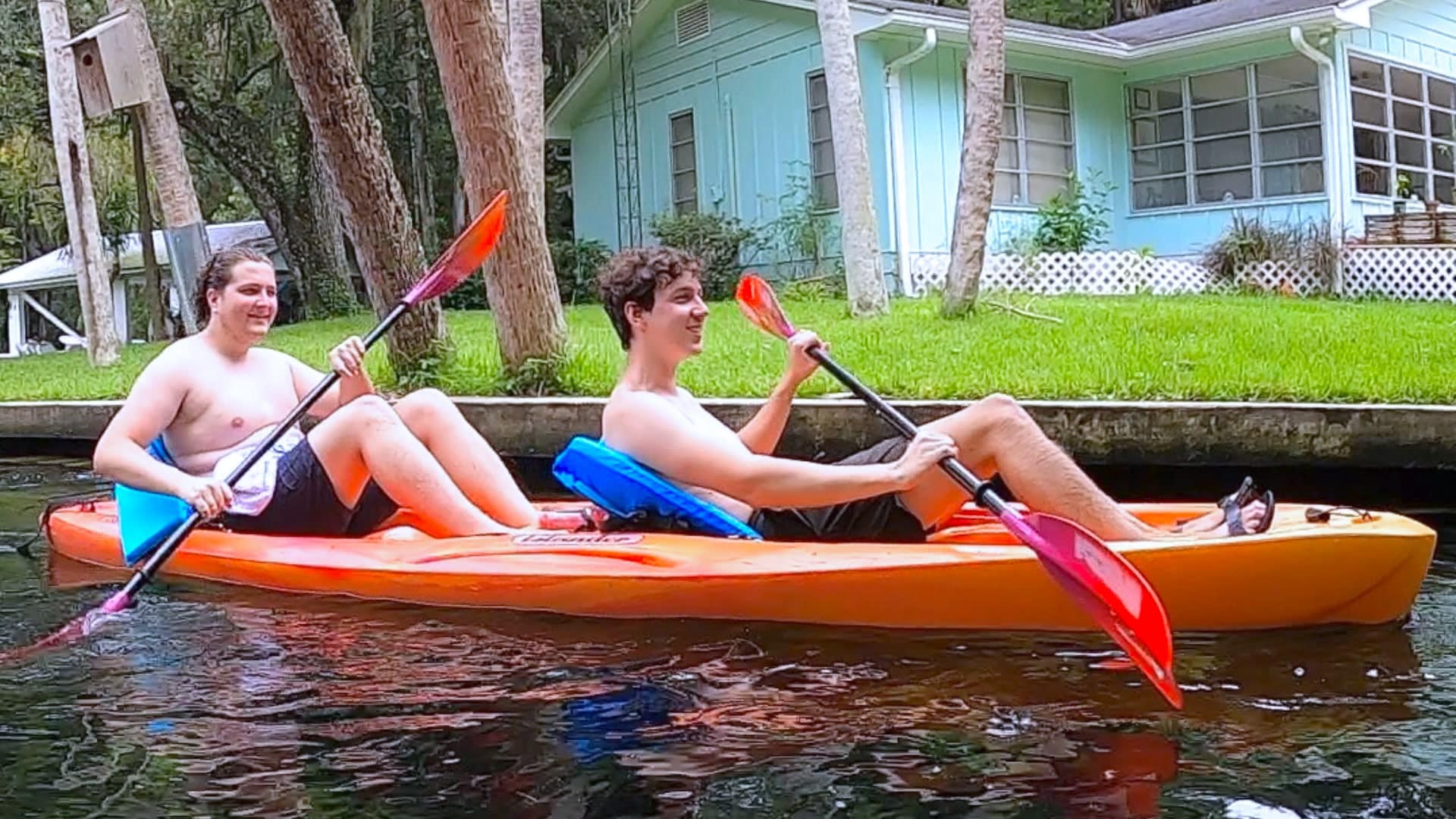
Top Canoe Adventures in Ocala, Florida
Ocala is water and limestone — a landscape of crystal spring runs, tannic blackwater rivers, and broad, shallow marshes that invite slow, careful paddling. Canoeing here is intimate: you float at eye level with turtles sunning on cypress knees, drift past schools of silvery fish under glassy water, and thread through mangled roots and bright-green lily pads. This guide focuses on canoe-specific routes and planning in and around Ocala, balancing dreamlike spring-fed clarity with the practicalities of Florida heat, insects, and seasonality.
Top Canoe Trips in Ocala
9 trips • Book with confidence • Instant confirmation
Why Ocala Is a Standout Canoeing Destination
There is a clarity to Ocala’s water that feels almost intentional. Rainwater filters through ancient karst limestone here, feeding a constellation of springs and runs whose glassy channels reveal submerged forests and the slow choreography of river life. Canoeing in Ocala is less about whitewater thrills and more about a close-up study of place — an unhurried pilgrimage down a braided spring run where the soundtrack is the hiss of minnows, the soft slap of a turtle slipping off a log, and the distant cry of a wading bird.
That intimacy shapes every taste of the experience. In Silver Springs, the current is gentle and clear enough that you can watch the riverbed pattern change beneath you; in Juniper Run, the corridor narrows into shaded tunnels between bald cypress and palmetto; on the Ocklawaha and Withlacoochee you can find broader, meandering blackwater sections that curl through scrub and swamp and carry a different kind of light and scent. Each waterway has its own rhythm and temperament, and part of the skill of canoeing here is learning to slow down enough to match it.
Beyond scenery, Ocala’s canoe routes are culturally distinct. These rivers and springs powered early settlement, tourism, and transport — from steamboat tales on the Ocklawaha to the glass-bottom-boat era at Silver Springs. Today the region balances recreation with conservation: state parks and the Ocala National Forest protect springheads and long stretches of river corridor, and local outfitters interpret both ecology and etiquette. For paddlers, that translates to excellent access, thoughtful launch sites, and a chance to pair short, restorative paddles with other nearby activities — snorkeling crystal springs, birding shoreline hammocks, or hiking sandy scrub ridges.
Practical reality tempers romance. Florida weather moves fast: summer afternoons often bring thunderstorms, and the insect chorus can be intense where shade and slow water combine. Many routes are flatwater journeys that require stamina against wind more than technical skill, and low-water seasons or heavy rains can shift put-in and take-out logistics. Still, for travelers who want paddling flavored by clear water, abundant wildlife, and a living Southern landscape, Ocala offers a canoeing palette that’s both accessible and deeply rewarding.
Glass-clear spring runs like Silver Springs and Rainbow River offer unmatched visibility for wildlife viewing and easy photo opportunities.
Varied corridors: narrow, shaded runs; wide blackwater rivers; and marshy paddles that suit different skill levels.
A strong conservation framework gives access while protecting springheads and shoreline habitat.
Canoeing in Ocala pairs well with snorkeling, wildlife photography, fishing, and short hikes in nearby scrub and pine flatwoods.
Best Time to Visit
Best Months
Weather Notes
Late fall through spring brings lower humidity, cooler mornings, clearer water, and reduced insect activity. Summer is hot and humid with frequent afternoon storms; early-morning paddles are best then. Check seasonal manatee advisories if visiting springheads in winter.
Peak Season
November–April (pleasant temperatures and high water clarity)
Off-Season Opportunities
Summer offers lush, green corridors, fewer crowds at major springs, and excellent early-morning birding; plan for heat and afternoon storms.
Frequently Asked Questions
Do I need permits for canoeing in Ocala?
Most state park launch sites require day-use parking fees; specific river access points may have nominal parking charges. Overnight backcountry camping within the Ocala National Forest or certain river corridors may require permits—check managing agency websites before you go.
Are canoe rentals available?
Yes. Local outfitters in and near Silver Springs and Rainbow River rent canoes and provide shuttles, route advice, and safety briefings. Reservations are recommended on weekends and holidays.
Is canoeing in Ocala suitable for beginners?
Many routes are beginner-friendly—short silver-spring loops and calm sections of the Ocklawaha are ideal. Paddlers should be comfortable balancing in an open canoe and prepared for wind and the occasional log or shallow obstruction.
Choose Your Experience Level
Beginner
Short, calm spring runs with clear water and easy put-ins. Minimal current and short distances make these excellent first canoe trips.
- Silver Springs short loop
- Rainbow Springs headwaters float
- Gentle marsh paddle near Lake George (short section)
Intermediate
Longer day paddles on mixed channels where wind, route-finding, and shallow bars require more experience and endurance.
- Full Juniper Run day trip
- Ocklawaha River multi-hour paddle with shuttle
- Combined spring-to-river float that includes narrow channels
Advanced
Long-distance navigation, logistics for shuttles or remote take-outs, or paddling in challenging wind or high-flow conditions. Expedition-style planning for multi-day routes in Ocala National Forest.
- Extended river expedition on Withlacoochee/Ocklawaha
- Multi-day canoe camping loop with primitive campsites
- Challenging cross-lake or open-water paddles exposed to wind
Insider Tips & Local Knowledge
Confirm launch access, parking rules, and weather before you go. Respect springheads and wildlife; many areas are protected.
Start paddles at first light in summer to avoid heat and afternoon storms. In colder months, check for manatee protection zones and keep distance from concentrated animals. Rent from reputable outfitters for shuttles and local beta—routes change after heavy rains and low-water stretches can create unexpected portages. Pack insect repellent and a lightweight long-sleeve layer for sun and mosquitoes. If you want solitude, choose weekday launches or lesser-known tributaries—popular spring parks fill quickly on weekends. Practicing good canoe etiquette—yielding to paddlers moving downstream, avoiding shallow propeller zones, and carrying out any trash—helps keep Ocala’s waterways wild and open for future trips.
What to Bring
Essential
- Coast Guard–approved life jacket (PFD) for each paddler
- Lightweight paddle and spare paddle if available
- Waterproof dry bag for phone, keys, and snacks
- Hydration (1–2 liters per person) and sun protection
- Water shoes or sandals with good grip
Recommended
- Wide-brim hat and polarized sunglasses
- Insect repellent and small packable towel
- Map of launch/take-out points or a GPS-enabled device with route notes
- Small first-aid kit and waterproof flashlight or headlamp
- Bilge sponge or small bailer — especially for novices
Optional
- Camera with polarizing filter or snorkel gear for springheads
- Throw rope for rescues or tricky take-outs
- Light rain shell for unexpected showers
- Dry change of clothes in vehicle
Ready for Your Canoe Adventure?
Browse 9 verified trips in Ocala with instant booking
Explore Top 15 Ocala, Florida Adventures →