7

Top 15 Photography Tours in Norwalk, Connecticut

Norwalk, Connecticut

Norwalk compresses New England coastal variety into a compact, shootable loop: salt-sprayed marshes and piers, gilded-era architecture, working harbors, and a surprising roster of birdlife and oyster beds. These photography tours tailor that variety into focused walks and boat trips that teach composition in changing light, pairing technical tips with local access to the region’s most photographable scenes.

15
Activities
Year-round (best spring–fall for migratory birds and soft coastal light)
Best Months

Top Photography Tour Trips in Norwalk

15 trips • Book with confidence • Instant confirmation

Why Norwalk Is an Exceptional Spot for Photography Tours

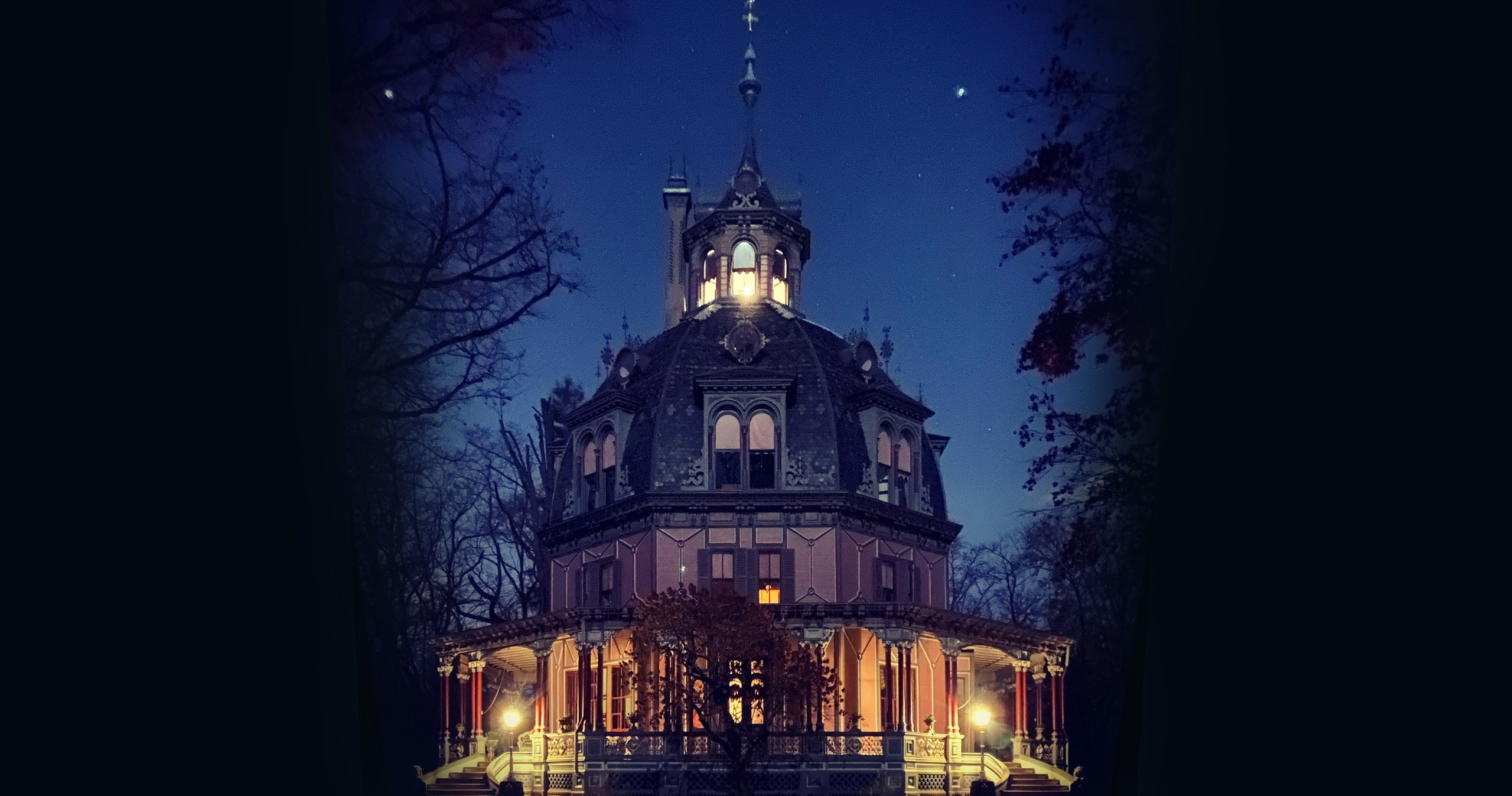
There’s a particular hush before dawn in Norwalk: pilings stick from the harbor like punctuation marks, lobster buoys breathe color against low clouds, and the air tastes faintly of brine. A photography tour here is as much about learning to read light as it is about finding subjects — the way a gull’s wing catches backlight beneath an overcast sky, the reflection of a Victorian gable in a rain-slicked street, or the slow geometry of oyster racks laid out at low tide. Norwalk’s scale works in a photographer’s favor. You can capture marshland panoramas and intimate, lens-length details in a single morning, then shift to architectural portraiture by midday at the Lockwood-Mathews Mansion or a gritty, industrial harbor composition by late afternoon.

This is coastal New England without the long drives of more remote regions. Tours frequently stitch together shoreline, riverfront, and town fabric: golden-hour seascapes at Calf Pasture Beach, tide-line textures in Norwalk Harbor, and the formal lines of Gilded Age architecture. Boat-based sessions to Sheffield Island or guided walks along the Norwalk River add a mobility that changes the framing options—low-angle water shots, marsh grasses in the foreground, and layered compositions with sail masts and distant treelines. The result is a practice-heavy experience: each tour is an atelier in situ, where coaches demo exposure control for reflective water, focus stacking for detail, and creative framing for urban-fine-art shots.

Practically, Norwalk is approachable. It’s a day-trip radius from points up and down the I-95/Metro-North corridor, so tours attract a mix of smartphone shooters, hobbyists with DSLRs, and professionals testing coastal portfolios. Weather is a constant character — fog and drizzle soften contrast and invite moody black-and-white studies, while clear late-afternoon skies reward warm highlights and long shadows. Because subject matter ranges from tidal flats to manicured mansions, tour leaders emphasize access etiquette: private docks, working waterfronts, and sensitive birding areas require respectful distance and sometimes pre-arranged permissions. The city’s compactness means you can combine a sunrise harbor shoot with a midday architectural walk and close with a sunset marsh session, making Norwalk ideal for weekend intensive workshops or repeated short tours aimed at mastering specific techniques.

The compact mix of maritime, marsh, and historic urban fabric makes Norwalk especially fertile for varied portfolios; photographers can practice coastal seascapes, wildlife-in-habitat shots, and architectural detail without long transfers between locations.

Seasonal shifts transform the subject palette: spring and fall bring migratory birds and softer light; summer supplies long golden hours and lively waterfront activity; winter offers stark, textural scenes and quieter access for shoreline compositions.

Activity focus: Photography Tour
15 curated experiences ranging from walking workshops to boat-based shoots
Easy day-trip access from greater NYC and southwestern Connecticut
Ideal for golden hour, tide-line textures, and architectural portraiture
Bring tide awareness — low tide reveals unique foregrounds for seascapes
Tours often combine technical instruction with access to private or working waterfront sites

Best Time to Visit

Best Months

MayJuneSeptemberOctober

Weather Notes

Coastal influence moderates temperatures but brings variable wind and fog. Spring and fall offer softer light and active bird migration; summer has long golden hours and more waterfront activity; winter yields dramatic skies and quieter locations but colder, windier shoots.

Peak Season

Summer and early fall, when festivals, boating, and waterfront traffic are heaviest.

Off-Season Opportunities

Winter and late-winter weekdays offer solitude, raw coastal textures, and unobstructed architectural lines; remember shorter daylight windows for scheduling.

Frequently Asked Questions

Do I need permits to photograph in Norwalk?

Most public beaches, boardwalks, and riverfront promenades do not require a casual photography permit. Commercial shoots, tripod-heavy setups, or access to private docks and properties may require prior permission from property owners or municipal offices—check with your tour operator for arranged access.

Can I use a drone on photography tours?

Drone use is restricted in many coastal and town-centered areas for safety and wildlife reasons. Always verify local ordinances and FAA rules before flying; many photography tours will either prohibit drones or coordinate approved operations separately.

What skill level are these tours for?

Tours are offered across skill levels—from beginner-friendly smartphone and composition walks to advanced workshops on long-exposure seascapes and architectural lighting. Check each listing for recommended gear and prerequisites.

Choose Your Experience Level

Beginner

Introductory walks that focus on composition, smartphone techniques, and fundamental camera controls. Short distances and plenty of stops for instruction.

  • Harbor golden-hour walk (composition basics)
  • Calf Pasture Beach short exposure tutorial
  • Downtown architectural photo walk

Intermediate

Half-day tours that introduce long exposures, polarizer use, and more advanced framing; suitable for hobbyists with mirrorless or DSLR kits.

  • Tide-line texture and foreground framing session
  • Boat-based island lighting and reflections shoot
  • Historic mansion detail and portrait workshop

Advanced

Full-day intensives or multi-location sessions emphasizing technical control—focus stacking, exposure blending, advanced post-processing workflow, and access to less-frequented sites.

  • Low-light marsh and bird-action composites
  • Architectural night lighting and HDR techniques
  • Commission-style seascape portfolio day

Insider Tips & Local Knowledge

Tide, light, and local access shape the best shots—plan accordingly.

Check tide tables before booking shoreline shoots; low tide exposes mudflats and oyster racks that make compelling foregrounds, while high tide favors reflective water and boat-focused compositions. Arrive 30–45 minutes before golden hour to set up and test exposures. Parking at popular launch points like Calf Pasture is limited on summer weekends—plan for street parking or a short walk. Respect working waterfront etiquette: ask permission before stepping onto docks, avoid disturbing gear or wildlife, and keep a safe distance from oyster beds and bird colonies. If you want guided boat access to islands or restricted shorelines, book with a tour operator that handles permits and safety briefings; these trips unlock compositions you can’t reach from shore. Finally, consider a hooded rain cover and a microfiber cloth for misty conditions—coastal light is wonderful when you keep lenses dry.

What to Bring

Essential

  • Camera body and two lenses (wide-angle for landscapes, 50–200mm for details/wildlife)
  • Sturdy tripod (for low-light and long exposures)
  • Extra batteries and memory cards
  • Weather protection for gear (rain cover, plastic bags)
  • Comfortable, water-resistant footwear appropriate for docks and marsh edges

Recommended

  • Circular polarizer and neutral-density filter
  • Lens cloths and microfiber towel
  • Small LED flashlight or headlamp for pre-dawn meetups
  • Portable reflector for architectural portraits
  • Insulated layer and windproof shell for coastal conditions

Optional

  • Remote shutter release or intervalometer
  • Backup camera or smartphone for quick handheld shots
  • Waders or water-resistant pants for marsh-edge access (only where allowed)
  • Field guide or app for local bird identification
  • Compact stool for long low-angle compositions

Ready for Your Photography Tour Adventure?

Browse 15 verified trips in Norwalk with instant booking

Explore Top 15 Norwalk, Connecticut Adventures →