1

Top 21 Wildlife Experiences in North Port, Florida

North Port, Florida

North Port sits at the threshold of sprawling estuaries, freshwater springs, and protected wetlands — a stitched landscape where wading birds, manatees, otters, and alligators share a tidal rhythm. This guide focuses on wildlife-first experiences: sunrise kayak runs through mangrove tunnels, slow tram rides and shaded boardwalks at Myakka, and shorebird watching along the edges of Charlotte Harbor. Practical route notes, seasonality, and gear suggestions are woven with local natural history to help you plan wildlife encounters that are ethical, safe, and memorable.

21
Activities
Best Nov–Apr
Best Months

Top Wildlife Trips in North Port

21 trips • Book with confidence • Instant confirmation

Why North Port Is a Standout Wildlife Destination

The coastal plain around North Port is a low, luminous place where water defines every edge. From the tannin-stained channels of the Myakka River to the broad, seagrass-strewn flats of Charlotte Harbor, species assemble here in ways that make the region a wildlife mosaic. You arrive expecting water and leave understanding it as a kind of public infrastructure—transport for fish, breeding grounds for crustaceans, a thermal refuge for manatees in cool months, and a staging area for migratory birds in spring and fall. That interchange between fresh and salt, between spring-fed clarity and tidal murk, creates niches. Roseate spoonbills sift the shallows at dawn, stately wood storks cluster on mangrove islands, and raptors circle the thermals over the dry prairie and flatwoods.

To see wildlife well here is to accept a pace that is not always cinematic. The best encounters are patient and low-energy: a kayak gliding past a line of resting herons; a tram idling while an alligator suns itself on a bar of mud; a sunrise loop where oyster bars reveal flocks of sandpipers at low tide. The landscape’s accessibility is part of its charm. Boardwalks and short trails at park entrances let novice observers get within view of common species; paddle-out opportunities invite more intimate, small-group experiences that reward slow movement and careful listening. For photographers and naturalists the light is generous—early mornings and late afternoons throw texture across marsh and mangrove, spotlighting birds and the reflective patina of the water.

Seasonality gives structure to the year. Winters draw landbirds and shorebirds through the peninsula, and colder months concentrate manatees in warmer springs and protected channels. Spring pulses with migration and breeding activity: mottled females tending nests, piping plovers moving through, and the sudden surge of ephemeral life in the shallows. Summers are hot, humid, and full of insect choruses, with nesting shorebirds and the predictable appearances of juvenile species learning to fish and fly. Practical planning makes all of this accessible: timing your tides, reading weather for cold fronts that kick up movement, and choosing the right format—walk, boat, kayak, tram—based on both your skill and the species you want to prioritize.

Beyond the wildlife, the human story here is one of stewardship and layered land use. Conservation areas, private preserves, and working coastlines overlap, which means that respectful viewing—keeping distance, leaving habitat intact, and following local guidelines—makes the difference between fleeting glimpses and enduring populations. Whether you’re a casual day-tripper chasing spoonbills or a dedicated birder compiling a seasonal list, North Port rewards observers who come prepared to slow down, scan closely, and adapt to the tide.

Habitats are the reason: tidal flats, mangrove estuaries, freshwater springs, and pine flatwoods are all within a short drive. Each supports distinct communities and viewing methods (paddling for mangroves, boardwalks for marsh birds, spring dives for manatees).

Low elevation and accessible viewpoints make the region user-friendly: easy boardwalks, short trails, guided boat and kayak tours, and public boat ramps connect observers to productive water and shorelines.

Primary focus: Wildlife viewing (birding, manatees, alligators, shorebirds, otters)
21 curated wildlife experiences in and around North Port
Habitat mix: estuaries, mangroves, freshwater springs, pine flatwoods
Best months for migration and manatee concentrations: November–April
Access methods: short hikes, boardwalks, kayak/boat, tram rides

Best Time to Visit

Best Months

NovemberDecemberJanuaryFebruaryMarchApril

Weather Notes

Winters are mild and draw migratory birds and concentrated manatee groups into warm springs; spring is active with migration and breeding. Summers are hot and humid with frequent afternoon storms and a higher abundance of insects. Hurricane season runs June–November; check local alerts during that period.

Peak Season

December–March for birding and manatee viewing (highest visitation and guided-tour availability).

Off-Season Opportunities

Late spring and summer offer quieter parks, nesting shorebird observations, and better rates for guided paddles, though heat, humidity, and mosquitoes are higher.

Frequently Asked Questions

Do I need permits to visit wildlife areas around North Port?

Most public parks and preserves allow wildlife viewing without special permits, though entry fees or parking charges may apply at state parks. Certain guided boat tours, research areas, or organized activities may require reservations—check operator websites and park pages before you go.

When is the best time of day for wildlife viewing?

Early morning and late afternoon are typically most productive: birds forage actively at dawn and dusk, manatees move into warmer springs and canals during cooler mornings, and softer light is better for photography.

Are guided tours necessary?

No, but guided tours—kayak trips, boat charters, and tram rides—accelerate learning and improve sightings, especially for newcomers. Guides know local tide lines, roosting spots, and seasonal rhythms that increase encounter odds.

Choose Your Experience Level

Beginner

Short boardwalks, tram rides, and shoreline birding from accessible overlooks. Ideal for families and casual observers.

  • Myakka River State Park canopy walk and tram wildlife tour
  • Short boardwalk birding loops near public boat ramps
  • Warm Mineral Springs observation for nearby bird activity

Intermediate

Half-day paddles, guided boat trips, and longer trail loops through pine flatwoods and mangrove edges. Requires basic comfort on water and moderate fitness.

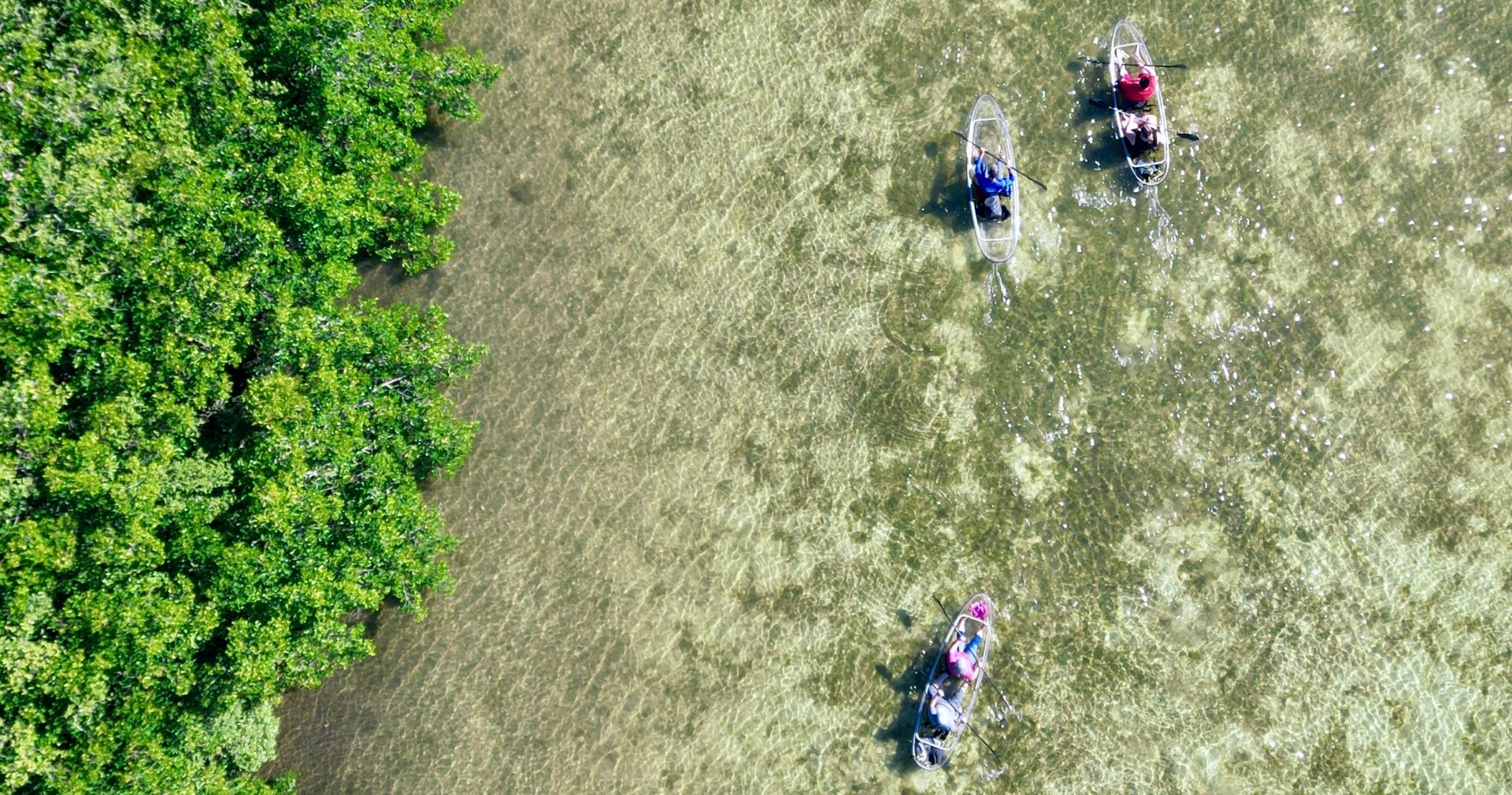
  • Guided mangrove kayak tour into Charlotte Harbor in search of wading birds
  • Half-day paddle along the Myakka River channels
  • Sunrise tidal flats birding with focus on shorebird identification

Advanced

Multi-stop photo expeditions, private charter boat trips for distant islands, night paddles for nocturnal species, or research-oriented outings. Demands experience with tides, navigation, and variable conditions.

  • Private charter to remote mangrove islands for roost photography
  • Night paddle for nocturnal marsh species and listening surveys
  • Self-guided survey combining multiple parks and tide windows

Insider Tips & Local Knowledge

Respect habitat and local regulations—keep distance, avoid disturbing nests, and pack out what you bring in.

Plan your outings around tide and temperature. Low tide exposes mudflats and concentrates shorebirds; high tide pushes birds into predictable roosts and can bring dolphins and rays closer to shore. For manatees, cooler mornings after a cold front often produce the best viewing as animals seek thermal refuges. Choose guided paddles if you’re unfamiliar with mangrove channels—roots and tides can be disorienting. Bring insect repellent year-round, but especially in summer and after rain. Keep a respectful distance from all wildlife and use longer lenses or binoculars to minimize disturbance. Finally, support local stewards: book reputable guides, follow posted trail rules, and consider volunteering for shoreline cleanups if you have extra time.

What to Bring

Essential

  • Binoculars (8x–10x) and a small spotting scope if you have one
  • Reusable water bottle and sun protection (hat, SPF)
  • Lightweight, breathable layers—Florida can change from muggy to windy quickly
  • Insect repellent (DEET or picaridin) and a head net for late-summer evenings
  • Polarized sunglasses for reducing glare when scanning water

Recommended

  • Camera with telephoto lens or teleconverter; fast SD cards
  • Waterproof bag or dry sack for paddling trips
  • Field guide or birding app with offline maps
  • Tide chart or app for Charlotte Harbor / Myakka River
  • Small first-aid kit and blister care

Optional

  • Lightweight spotting scope with tripod for shorebird flats
  • Waders for guided shelling or shorebird work at low tide (local guidance required)
  • Compact stool for long seaside photography sessions
  • Headlamp for pre-dawn boat launches

Ready for Your Wildlife Adventure?

Browse 21 verified trips in North Port with instant booking

Explore Top 15 North Port, Florida Adventures →