8

Walking Tours in North Hanover, New Jersey — 24 Local Experiences

North Hanover, New Jersey

North Hanover’s walking tours reveal a quieter corner of New Jersey where military history, cranberry country, lowland creeks, and wooded backroads meet. These walks favor curiosity over crowds: think Main Street histories, riverside loops, and rural lane rambles that connect small-town stories with the open-air landscapes of the Pinelands edge. This guide focuses on the walking experience itself—terrain, accessibility, seasonality, and practical planning—so you can pick the right route and time your visit for weather, wildlife, and local character.

24
Activities
Year-round (best spring–fall)
Best Months

Top Walking Tour Trips in North Hanover

24 trips • Book with confidence • Instant confirmation

Why North Hanover Is a Standout Walking Destination

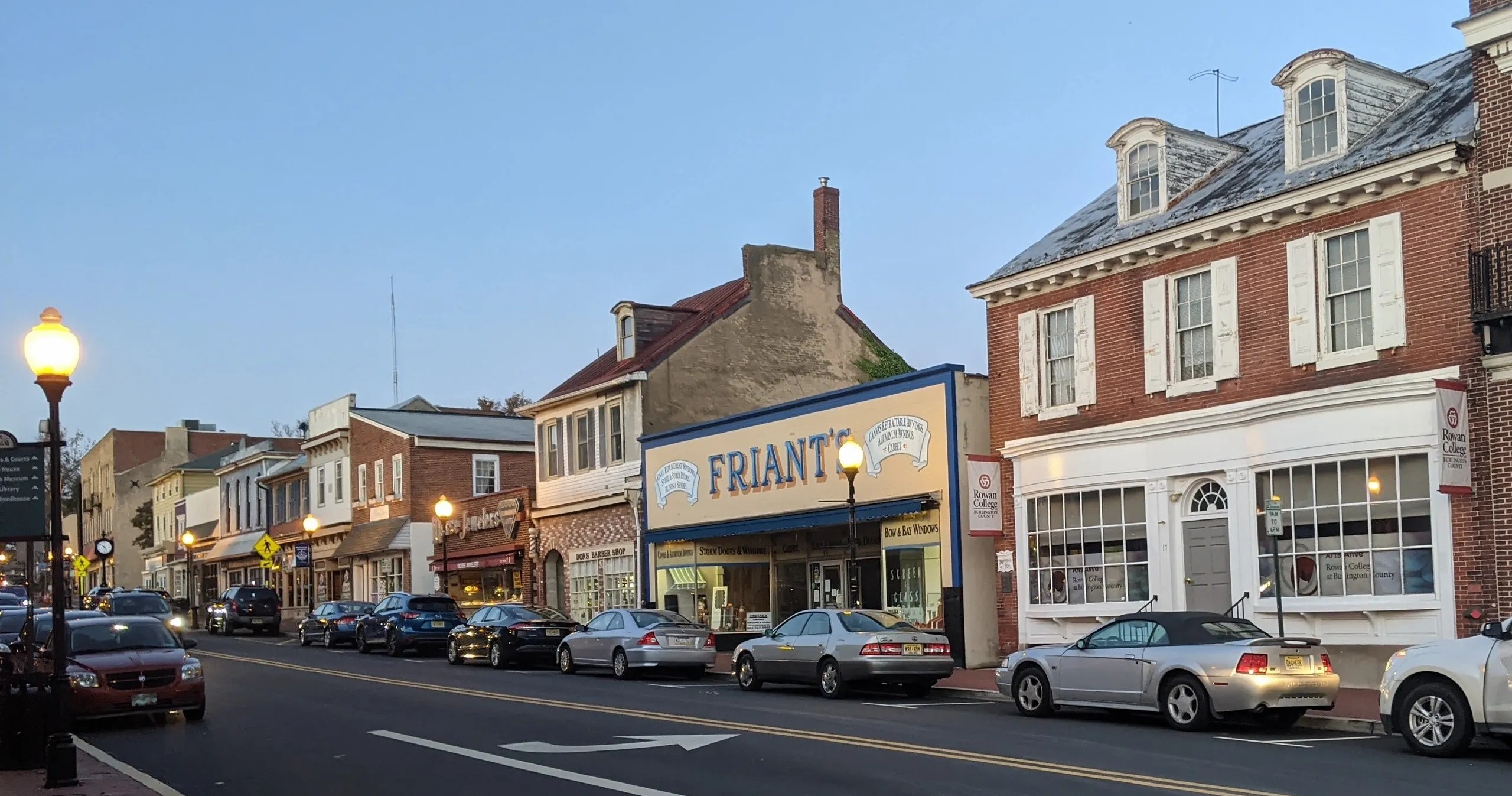
Walks around North Hanover feel intimate because the landscape itself is modest: low rolling farms, narrow township roads, and the slow, reed-lined edges of creeks that have long shaped local life. But that modesty is precisely the point. These walking tours are about noticing—old stone walls half-hidden by moss, clapboard houses with peeling paint that speak to agricultural pasts, the sudden opening to a cranberry bog glinting like a glass board in early autumn, and the small yet telling plaques that mark Civil War veterans, forgotten mills, or the footprint of a rail spur. Walking here is a way to tune into regional layers: agricultural rhythms, Pine Barrens ecology, and 20th-century military influences where the nearby base has left both infrastructure and stories that ripple through local neighborhoods.

For visitors, the appeal is practical as much as poetic. The network of quiet roads and maintained sidewalks near village centers make for accessible, low-stress outings—perfect for a morning stroll followed by coffee and a pastry. A short riverside loop along Rancocas Creek or a greenway path through small woods can double as birdwatching time; spring migration and fall movement put a variety of songbirds and waterfowl in reach of binoculars. For those who prefer a themed walk, guided history routes or curated self-guided itineraries highlight agricultural practices, brick-and-mortar landmarks, and the contested boundary between developed town and preserved Pine Barrens.

Seasonality changes the mood dramatically. Spring brings fresh leaf-out, wildflowers along ditch lines, and a softness to the landscape that invites slower, observational walking. Summer can be humid—best saved for early mornings or shaded routes—while autumn is when lowlands and cranberry bog edges take on warm tones and the light seems to stretch longer into the afternoon. Winter offers its own clarity: stark silhouettes of tree-lines, distant farm silhouettes, and the kind of solitude walkers prize, though cold, muddy, or icy patches can make certain routes less comfortable.

Finally, what makes walking tours here rewarding is how they connect to complementary outdoor experiences. A short hike can be extended into a paddle on calm creek water, a bike ride along quiet backroads, or a visit to a nearby conservation area for a longer nature outing. That flexibility—mixing a cultural stroll with a small outdoor adventure—gives North Hanover’s walking tours a quietly versatile appeal for travelers who want both place-based stories and easy access to nature.

The variety: urban-edge village walks, creek-side loops, agricultural road rambles, and Pine Barrens boardwalks are all within easy reach of town.

Seasonal highlights: spring wildflowers and migratory birds, humid but lively summers, vivid fall color at low elevations, and quiet, crisp winter walks for solitude seekers.

Activity focus: Walking tours — history, nature, and small-town discovery
24 curated walking experiences ranging from 20-minute loops to half-day rambles
Accessible options available in village centers; rural routes include uneven surfaces
Best visited in spring and fall for comfortable weather and wildlife activity
Complementary activities: birding, paddling on Rancocas Creek, cycling nearby country lanes

Best Time to Visit

Best Months

AprilMayJuneSeptemberOctober

Weather Notes

Spring and fall deliver the most comfortable walking temperatures; expect warm, humid afternoons in summer and potential wind or freezing conditions on winter days. Short, sudden rain showers are common in warmer months—plan early starts or shaded routes.

Peak Season

Late spring and early fall (May–June and September–October) for temperate weather and peak bird activity.

Off-Season Opportunities

Winter offers quieter streets and crisp light for photography; some wet or unpaved rural routes may be muddy in late winter and early spring.

Frequently Asked Questions

Are there guided walking tours available?

Guided options may be offered seasonally by local historical societies or outfitters. Many routes are also well-suited to self-guided exploration with printable maps or GPS routes.

How accessible are the walks for strollers or wheelchairs?

Village center walks and some creek-side paths have paved sidewalks or gentle grades. More rural loops include uneven surfaces, roots, and occasional soft shoulders—check route notes for accessibility details.

Do I need to worry about wildlife or ticks?

Take standard precautions: use insect repellent, wear long socks or gaiters in tall grass, and check for ticks after walks in brushy or wooded areas.

Choose Your Experience Level

Beginner

Short, flat walks focused on local history, village architecture, or easy creek-side promenades—good for families and casual strollers.

  • Main Street historic loop
  • Short riverside promenade
  • Village park and public garden walk

Intermediate

Longer loops on rural roads and greenways with rolling terrain, occasional soft shoulders, and mixed surfaces; half-day effort with varied scenery.

  • Rural lane circuit with agricultural views
  • Creek-to-bog loop with birding stops
  • Mixed-surface nature path with boardwalk sections

Advanced

Extended walks that combine navigation across unpaved roads, longer mileage on the Pine Barrens fringe, or multi-stop cultural routes requiring planning and self-sufficiency.

  • All-day exploration of Pine Barrens edge trails
  • Long corridor walk connecting multiple village centers
  • Multi-hour nature-and-history route with limited services

Insider Tips & Local Knowledge

Confirm access and signage before heading out; respect private property and any military or restricted zones nearby.

Start early in summer for cooler temperatures and better bird activity. Weekday mornings are typically the quietest times on popular village loops. Parking can be limited near small-town centers—use public lots where available and avoid blocking driveways. Bring layers even on mild days: humidity and shade can make a sunny afternoon feel cool in the most unexpected spots. Watch for ticks and wear repellent on grassy margins; closed-toe shoes are recommended on rural routes. If your walk approaches the base perimeter, heed signage and do not attempt to cross onto restricted land. For a fuller day, pair a short historic walk with a paddle on nearby creeks or a scenic bike ride on quiet county roads to broaden your sense of place.

What to Bring

Essential

  • Comfortable walking shoes with some tread
  • Water bottle and light snacks
  • Phone with offline map or printed route notes
  • Sun protection (hat, sunscreen) and sunglasses
  • Layered clothing for variable temperatures

Recommended

  • Light daypack for water and layers
  • Binoculars for birding along creeks
  • Insect repellent during warm months
  • Small first-aid kit and blister care

Optional

  • Compact umbrella or light rain shell
  • Camera or phone with extra battery
  • Field guide for local birds or wildflowers
  • Walking poles for longer rural loops or muddy conditions

Ready for Your Walking Tour Adventure?

Browse 24 verified trips in North Hanover with instant booking

Explore Top 15 North Hanover, New Jersey Adventures →