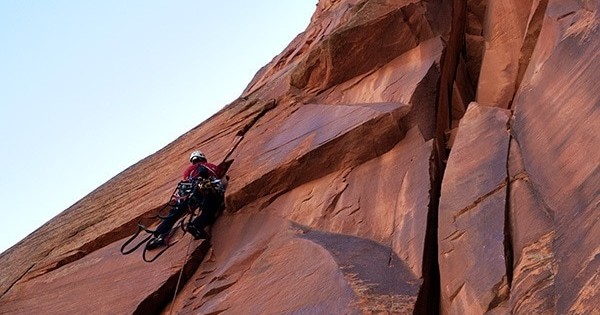
Top 11 Climbing Adventures in North Conway, New Hampshire
North Conway sits at the forested edge of the White Mountains, a compact hub for granite cliff climbing, bouldering, and seasonal ice lines. Climbers travel here for steep single-pitch classics, approachable multi-pitch routes, and a local ethic that balances bold granite moves with accessible approaches. This guide focuses on climbing-specific terrain, logistics, and seasonal strategies for getting the most out of the area’s 11 standout outings.
Top Climbing Trips in North Conway
11 trips • Book with confidence • Instant confirmation
Why North Conway Is a Climber’s Gateway to the White Mountains
North Conway is deceptively compact: a small town that funnels access into a wide range of granite climbing. The area’s reputation grew from two complementary strengths—spectacular, clean rock near easy parking and a cluster of classic crags that demand attention but not an all-day commitment. Cathedral Ledge, a single-mile ridge of steep granite, offers long single-pitch faces and short multi-pitch lines whose approaches are measured in minutes rather than miles. A short drive away, outlying cliff bands and quarried faces deliver variety—vertical, slab, and featured cracks—so you can spend a morning on a sharp trad line and an afternoon on bolted sport routes without a long transfer.
The climbing here is shaped by New England granite: abrasive, often featured with thin edges and frictiony slabs that reward technique and thoughtful footwork. Seasons carve the experience; spring and fall bring crisp air and stable conditions for trad and sport, while summer carries the risk of humidity and afternoon storms—conditions that can leave slabs slick and approaches muddy. Winter flips the script: when temperatures and snowfall align, gullies and shaded cliff bands form ice and mixed routes that attract climbers with technical tools and cold-weather experience. The local scene blends guide services, rental shops, and a network of volunteer groups that steward access—so visitors find both resources and a conservation-minded community.
Culturally, North Conway feels like an honest outdoor town: a handful of outfitters, a few guide services, and cafés where boot-clad climbers trade beta. The historical thread matters too—these routes were developed incrementally by climbers who prioritized lines that fit the rock, creating a patchwork of classic pitches and lesser-known gems. That history is tangible on the cliff: fixed anchors, hand-drilled bolts on older routes, and clean trad placements where protecting the crack remains the route. For travelers, North Conway’s advantage is practical—proximity. You can climb hard in the morning, hike a ridgeline in the afternoon, and still be back in town for a meal—making it ideal for compact climbing-focused trips or a base for exploring the wider White Mountains.
Fast access: Many of the region’s most popular walls are short approaches from trailheads or roadside pullouts, which makes it straightforward for day trips.
Rock character: Predominantly granite with a mix of friction slabs, cracks, and occasional vertical faces—technical footwork and precise gear placement pay dividends.
Seasonal variety: Spring and fall are prime for rock; winter opens ice and mixed lines for properly equipped climbers.
Complementary outdoor options: Hiking, mountain biking, paddling on nearby Echo Lake, and scenic drives make it easy to pair climbing with other activities.
Best Time to Visit
Best Months
Weather Notes
Spring and fall deliver the most stable, comfortable conditions for rock climbing; summer afternoons bring warm temperatures and the potential for thunderstorms, while winter brings ice and mixed conditions requiring technical cold-weather gear. Wet rock is hazardous—avoid climbing on recently rained-on surfaces and allow drying time.
Peak Season
Late summer weekends and early fall foliage season see the highest visitation on popular crags and trailheads.
Off-Season Opportunities
Winter allows for ice climbing on sheltered gullies and frozen waterfalls when conditions permit; expect limited daylight and cold temperatures—pursue these only with appropriate gear and local knowledge.
Frequently Asked Questions
Do I need permits to climb around North Conway?
Most climbing areas do not require permits, but parking restrictions, seasonal trailhead closures, and private-property rules can apply. Always check current access notes for the specific crag before you go.
Is the climbing there mostly bolted or trad?
The area offers a mix. Cathedral Ledge and neighboring cliffs include both bolted sport lines and established trad routes; many classic pitches rely on natural protection. Bouldering sectors and bolted faces exist but bring a rack suited to the route type.
Should I hire a guide if I’m new to trad climbing?
Yes—hiring a local guide for trad skills, anchor building, or ice technique is an efficient and safe way to learn area-specific skills and beta.
Choose Your Experience Level
Beginner
Ideal for climbers comfortable on single-pitch top-rope or bolted sport routes. Short approaches and moderate routes allow newcomers to build confidence without long approaches or complex route-finding.
- Top-rope sport routes on lower-angle walls
- Introductory bouldering problems on featured granite
- Guided introduction to anchors and belay skills
Intermediate
Trad leads on moderate crack systems, longer single-pitch challenges, and multi-pitch routes that require efficient rope management and solid protection placement.
- Single-pitch trad leads with gear placements
- Short multi-pitch climbs with exposed belays
- Combining a morning crag session with an afternoon ridge hike
Advanced
Complex multi-pitch routes, steep technical cracks, or winter ice and mixed lines that demand advanced protection skills, cold-weather experience, and strong route-finding.
- Technical multi-pitch trad routes on sustained granite
- Winter ice/mixed ascents (ice tools and crampons required)
- Long link-ups that combine multiple crags and approaches
Insider Tips & Local Knowledge
Always verify access, current closures, and road conditions before heading out; conditions change seasonally and after storms.
Start early to beat heat and midday crowds—many of the best belays are exposed during peak sun. Check for seasonal nesting closures, particularly in spring; respect posted signs and reroute plans if a sector is off-limits. Bring friction-friendly shoes and practice slab footwork—the rock rewards balance and precision more than brute strength. If you rely on bolted anchors, inspect hardware before trusting it; old bolts can degrade in freeze-thaw environments. When winter ice is on, confirm conditions with local sources and treat polished or sun-exposed ice with skepticism. Parking can be limited on busy weekends—arrive early or plan a midweek visit. Finally, minimize impact: stick to established approaches, pack out gear tape and chalk wrappers, and consider carpooling to preserve limited roadside parking.
What to Bring
Essential
- Climbing shoes fitted for rock type
- Helmet (required on many approaches and recommended on all routes)
- Personal trad rack (cams, nuts) and quickdraws for sport routes
- ATC or modern belay device and locking carabiner
- Approach shoes or sturdy trail shoes
- Water, snacks, and a small first-aid kit
Recommended
- Guidebook or up-to-date route topo (paper or verified digital source)
- Tape and a small multi-tool for anchor adjustments
- Light insulating layer and rain shell for changing weather
- Sunscreen and a sun hat for exposed belays
- Helmet camera or phone in protective case for route photos
Optional
- Crash pad for bouldering sectors
- Approach gaiters in spring mud season
- Ice tools, crampons, and a helmet for winter ice/mixed routes (only if experienced)
- Portable anchor cord and slings for complex anchors
Ready for Your Climbing Adventure?
Browse 11 verified trips in North Conway with instant booking
Explore Top 15 North Conway, New Hampshire Adventures →