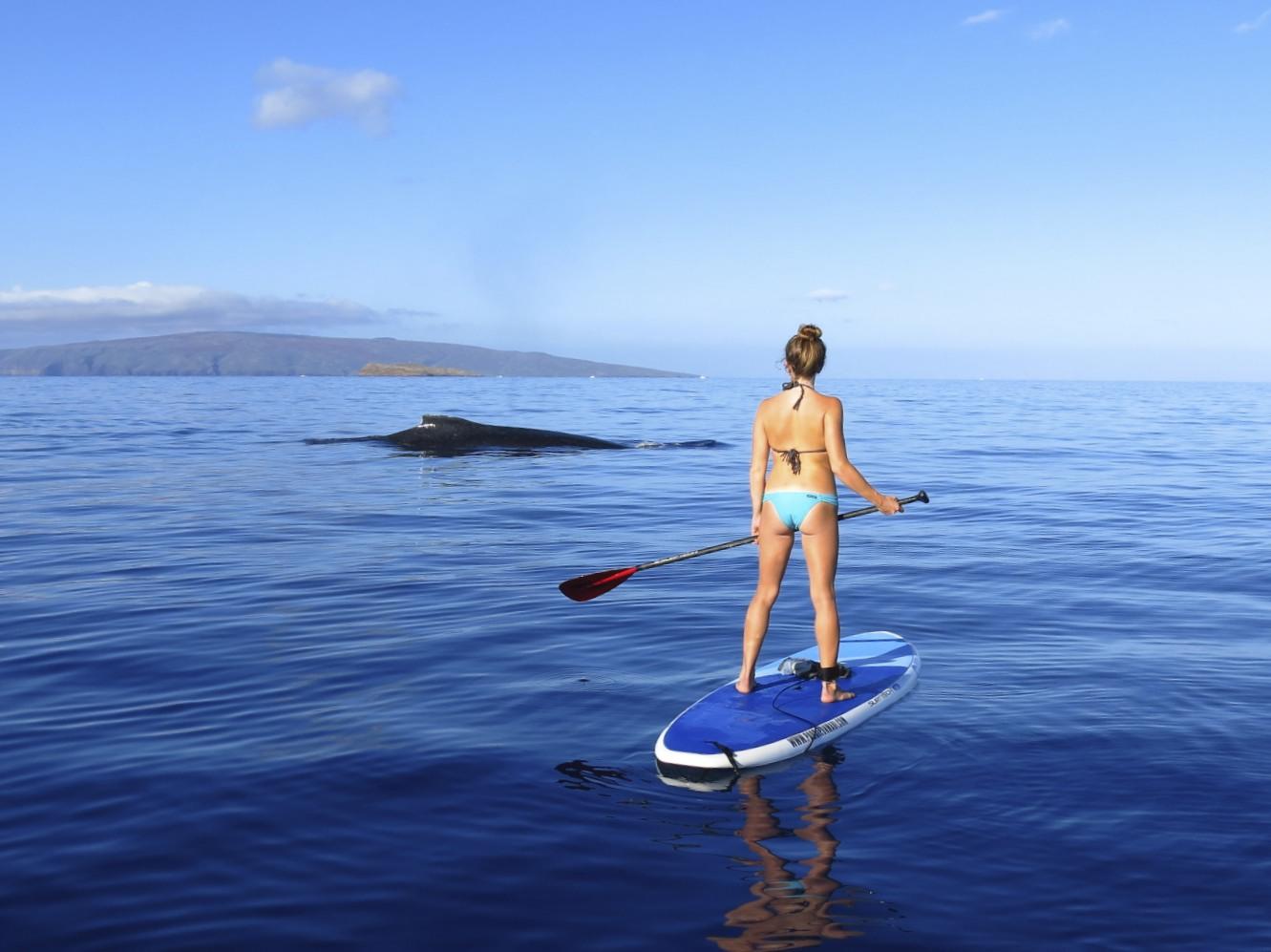
Top Whale-Watch Experiences in Nipomo, California

Nipomo, California

Nipomo sits inland from a dramatic stretch of California coastline where migrating whales pass within sight of shore and boat-based tours launch from neighboring harbors. This guide focuses on whale-watch experiences available to travelers using Nipomo as a base—shoreline vantage points across the dunes and coastal bluffs, full-day charters from nearby ports, and complementary wildlife activities like birding and tidepooling that round out a marine-focused visit.

3
Activities
Seasonal — gray whales (Dec–Apr), blue whales (summer months)
Best Months

Top Whale Watch Trips in Nipomo

3 trips • Book with confidence • Instant confirmation

Why Nipomo Is a Prime Base for Central Coast Whale Watching

The Central Coast is a migration highway and, for a traveler based in Nipomo, whale watching becomes an exercise in timing and perspective. Nipomo itself is set a short drive from sandy dunes, rocky bluffs, and small working harbors where both shore-based observers and commercial vessels converge to watch the seasons unfold offshore. The region is best known for the gray whale migration, a steady procession of animals moving north and south along nearshore routes between late fall and early spring. On clear winter and early-spring days the surface of the Pacific can look busier than a ferry terminal: blows, rolling backs, and the occasional tail-lob announce the passage of these leviathans. In summer and early fall the story shifts offshore when blue whales and other deep-water species visit the richer, nutrient-driven pockets along the continental shelf; those sightings typically require a boat that can reach feeding grounds beyond the shallows.

What makes Nipomo a useful base is variety. Within a short drive you can be standing on an exposed bluff with a pair of binoculars and a thermos of coffee watching gray whales feed close to shore, or walking the Guadalupe-Nipomo Dunes to admire the same route from a quieter vantage. If you prefer a guided experience, small-group charters depart nearby from Pismo Beach, Avila/Port San Luis, and Morro Bay; these vessels range from family-friendly catamarans to more intimate wildlife-focused boats with naturalist guides. Each launch offers a different trade-off: larger boats can offer stability, restrooms, and interpretive programs, while Zodiacs and smaller skiffs take you closer to surface activity but are more affected by sea conditions.

Culturally and ecologically, the Central Coast has long been shaped by marine life. Indigenous coastal communities stewarded these shorelines for millennia, and today local conservation groups, marine sanctuaries, and harbor communities all play roles in protecting whale habitat and supporting responsible viewing. A whale-watch visit from Nipomo is often paired with birding at coastal estuaries, tidepool exploration at rocky points, or a quiet afternoon on protected dunes. Those complementary experiences not only round a trip but increase the odds of spotting other marine life—dolphins, sea lions, otters, and seabirds regularly share the same waters.

From a practical point of view, planning matters: seasons determine what you’re likely to see and whether you need a boat to chase sightings. Shore watching is accessible, low-cost, and often gratifying during the gray whale migration. For rarer open-ocean species or a closer look at feeding behavior, a licensed charter from nearby harbors is the better option. Whatever the choice, bring layers for cold wind, a good pair of binoculars, an understanding of vessel etiquette, and the patience to scan the horizon—whales rarely adhere to schedules, but when they appear, the payoff is immediate and unforgettable.

Nipomo’s proximity to both sheltered harbors and exposed coastline makes it convenient for combining shore-based watching with boat trips from nearby ports; this flexibility is a major advantage for travelers without direct beach access.

Local operators and marine sanctuaries emphasize best-practice viewing—keeping respectful distances, minimizing disturbance, and using experienced naturalist guides to interpret sightings and local ecology.

Complementary activities—tidepooling, birding at estuaries, dune walks, and kayaking in protected areas—improve the overall wildlife-watching odds and make whale-focused days feel full even if surface action is intermittent.

Activity focus: Whale watching (shore and boat-based)
Total matching experiences from Nipomo base: 3
Best-known migration: Gray whales (Dec–Apr nearshore)
Open-water visitors: Blue whales and humpbacks more likely in summer and early fall, typically farther offshore
Nearby launch points: Pismo Beach, Port San Luis/Avila, and Morro Bay

Best Time to Visit

Best Months

DecemberJanuaryFebruaryMarchAprilJuneJulyAugustSeptember

Weather Notes

Coastal conditions vary: winter brings the gray whale migration and cooler, windier days; summer can bring morning marine layer (fog) that often burns off by midday. Ocean swell and wind affect boat departures—check local forecasts and operator advisories.

Peak Season

Winter–spring gray whale migration (December–April). Summer brings higher chances for blue whale sightings but typically from boats that go farther offshore.

Off-Season Opportunities

Late spring and fall can offer quiet shore-watching and strong shorebird activity. Ocean conditions are often calmer in late summer for small-boat operations.

Frequently Asked Questions

Do I need to book a boat tour in advance?

Yes—popular weekend departures during peak migration and summer months can sell out. Booking in advance also ensures you have up-to-date cancellation info if weather forces a change.

Can I see whales from Nipomo without going out on a boat?

Yes. Nearby bluffs and dunes provide shore-based viewing for migrating gray whales, especially during calm days. However, sightings of blue whales and some feeding behaviors generally require a boat that can reach deeper water.

What about wildlife and safety regulations?

Maintain respectful distances and follow guidance from park staff and charter operators. Boats and visitors are subject to federal and state rules protecting marine mammals; listen to your naturalist guide for best-practice viewing.

Choose Your Experience Level

Beginner

Shore-based whale watching from accessible bluffs, dune overlooks, and sandy beaches—low cost and low commitment.

  • Morning binocular watch from Pismo Beach pier or nearby bluffs
  • Guided interpretive walk in the Guadalupe-Nipomo Dunes
  • Short estuary birding combined with a shoreline scan

Intermediate

Half-day boat tours from nearby harbors offering closer views, naturalist commentary, and moderate sea conditions.

  • Family-friendly catamaran cruise from Pismo Beach
  • Naturalist-led wildlife cruise from Port San Luis/Avila
  • Photography-focused small-group charter in calmer conditions

Advanced

More specialized outings—longer offshore trips, private charters, or photo-centric voyages that require planning, tolerance for longer sea time, and sometimes stronger sea legs.

  • Full-day offshore charter targeting blue whales and deep-water species
  • Private wildlife-expedition charter with experienced captain
  • Combined research- or citizen-science trips (check availability and requirements)

Insider Tips & Local Knowledge

Check operator status, sea conditions, and marine-salvage advisories before heading out. Respect wildlife and local regulations; keep a safe distance from resting or feeding animals.

Start your day early for calmer seas and clearer light—operators often report the best sightings during morning windows. If you're shore watching, choose elevated bluffs where your view spans farther offshore and the horizon is less obstructed. For photography, stabilize your optics against railings or use fast shutter speeds to counter a rolling deck. Consider combining a shorter shore-watch morning with an afternoon charter to maximize sightings across different habitat zones. Finally, ask guides about current hotspots—plankton blooms and upwelling pockets drive where whales feed, and local crews monitor those conditions closely.

What to Bring

Essential

  • Binoculars or a spotting scope
  • Windproof layers and sun protection (coastal wind + glare)
  • Sea-sickness remedies if you plan to boat
  • Reusable water bottle and snacks
  • Camera with telephoto lens or a smartphone telephoto adapter

Recommended

  • Closed-toe shoes and a light waterproof layer for boats
  • Hat with a chin strap for windy bluffs
  • Field guide or app for marine mammals and seabirds
  • Small daypack to carry layers and gear

Optional

  • Compact spotting scope for extended shore sessions
  • Polarized sunglasses to reduce surface glare
  • Travel tripod or monopod for photography on larger vessels

Ready for Your Whale Watch Adventure?

Browse 3 verified trips in Nipomo with instant booking

Explore Top 15 Nipomo, California Adventures →