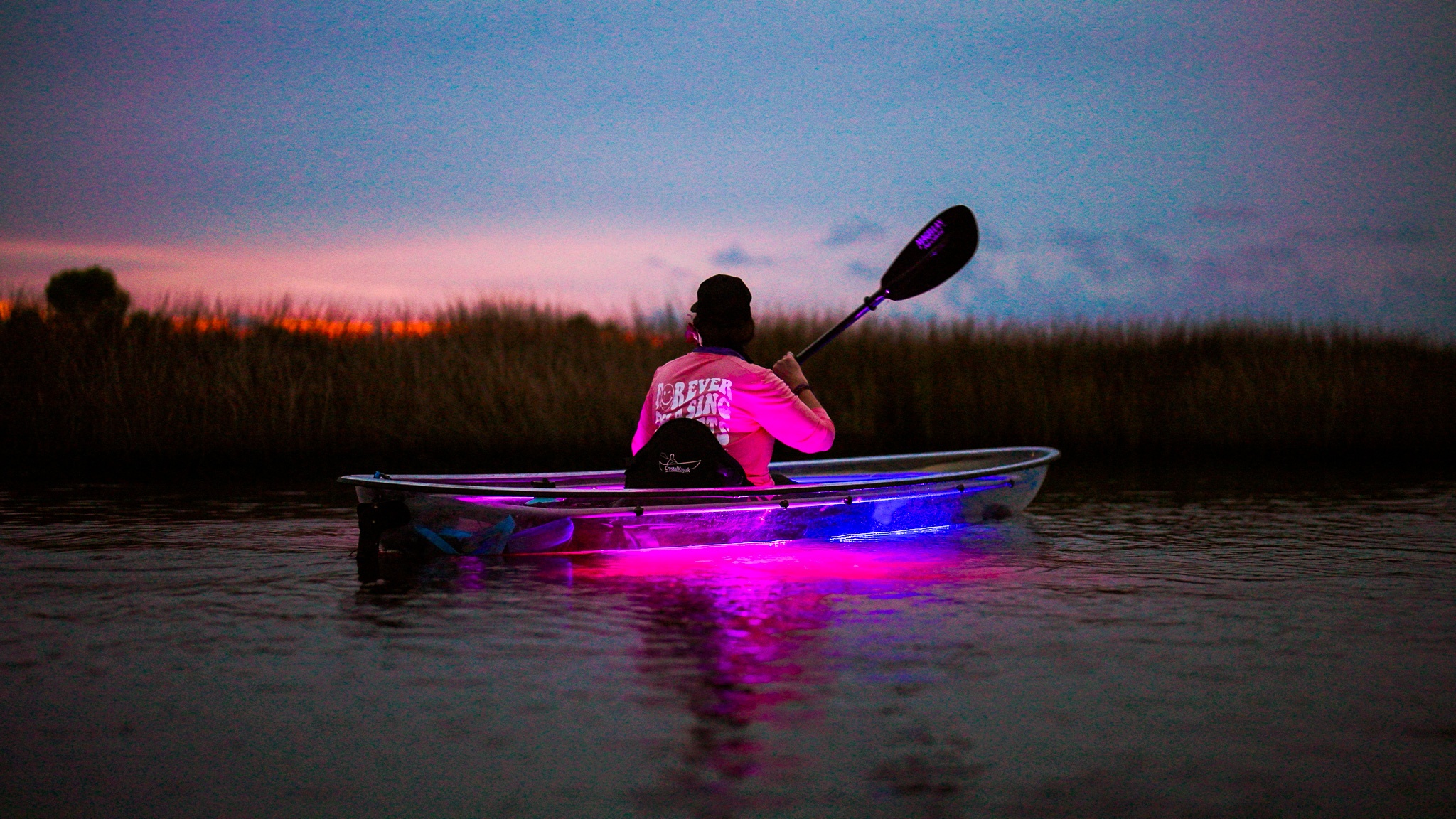
Top Kayak Adventures in Niceville, Florida
Niceville sits at the edge of shallow bays, spring-fed creeks, and long tidal flats that make for forgiving, scenic paddling. From glassy dawn launches over seagrass beds to tidal runs that test timing and technique, this guide focuses on kayaking experiences—day trips, wildlife-focused outings, and local routes that reward slow travel and close observation.
Top Kayak Trips in Niceville
13 trips • Book with confidence • Instant confirmation
Why Niceville Is a Standout Kayaking Destination
Niceville’s paddling appeal is rooted in contrasts: broad, shallow bays that open to the Gulf, narrow tannin-streaked creeks that thread wooded banks, and long ribbons of tidal marsh that collect migratory birds and quiet-refuge species. The landscape invites exploratory strokes rather than speed—this is a place for close-looking, not headlong races. In early morning light, the bays flatten to glass and the surface becomes a live atlas of fish wakes, diving birds, and the occasional dorsal flash of a dolphin. Paddlers carve slow arcs through seagrass meadows where water clarity is good and life is dense: small rays bury under silt, fiddler crabs dot the flats, and herons stand like statues until they don’t. These are the kinds of scenes that rewire your sense of scale.
Beyond wildlife spectacle, Niceville’s waterways offer variety that suits a range of skill levels. Choctawhatchee Bay provides sheltered, wide-open mileage for confident flatwater paddlers and touring kayaks—good for timed morning miles or a long afternoon drift. By contrast, tributaries like Turkey Creek and parts of the Blackwater River system present a narrower, greener experience: shade, low bridges, and the tactile joy of paddling under live oaks and palmettos. Tidal rhythm matters here. Some routes become expansive flats at low tide and shallow canoe tracks at high—knowing the tide times can turn a frustrating scrape into a sublime glide.
The human side of Niceville is quietly supportive of paddlers. Small outfitters and community launch points make self-guided trips straightforward, and local anglers and birders share the same coastal literacy that helps you read the water. Culturally, the area blends a working-bay economy—fishing, marinas, boatbuilding—with a growing outdoor-recreation scene. That mix means you can combine a technical paddle with a slow afternoon of local seafood, or time a sunset launch and still be home for dinner. For travelers who value low-traffic waterways and wildlife encounters over adrenaline, Niceville is one of those coastal places that rewards patience and observation: bring a camera, a good pair of polarized sunglasses, and your curiosity.
The geography is friendly: wide shallow bays, protected estuaries, and spring-fed creeks create paddling options from easy flatwater touring to sheltered technical runs.
Wildlife is a highlight—shorebirds, wading birds, occasional dolphins, and estuarine fish populations are visible from the seat of your kayak when you travel slowly.
Tides and wind shape the experience; local launch points and outfitters often advise the best windows for particular routes.
Trips pair well with fishing, birding, and coastal photography—expect to combine experiences when planning a day on the water.
Best Time to Visit
Best Months
Weather Notes
Spring and fall offer the most comfortable air and water temperatures with lighter insect pressure. Summer is warm and humid with higher afternoon thunderstorm probability; winter is mild but can bring cool fronts and occasional higher winds.
Peak Season
Late spring and early fall—pleasant temperatures and migratory bird activity increase visitation.
Off-Season Opportunities
Winter weekdays provide solitude and clear visibility for wildlife; be mindful of chillier water temperatures and stronger cold fronts.
Frequently Asked Questions
Do I need permits to kayak Niceville waterways?
Most public launches do not require special paddling permits. State parks or controlled launch sites may charge parking or entrance fees. For overnight island camping or restricted areas, check with local agencies for regulations.
Are guided tours available for beginners?
Yes. Local outfitters offer guided flats and estuary tours that include equipment, basic instruction, and route planning—recommended for new paddlers or anyone unfamiliar with tides and currents.
How important are tides and wind when planning a trip?
Very important. Tides change water depth and exposed flats, while wind can make open-bay crossings challenging. Consult tide charts and wind forecasts and plan routes that match your skill and craft.
Choose Your Experience Level
Beginner
Calm, protected bay arms and wide canals with minimal current—ideal for newcomers and family paddles. Expect short, scenic loops with easy exits.
- Gentle Choctawhatchee Bay loop from a sheltered launch
- Sunrise wildlife paddle along a quiet creek
- Guided flats tour focusing on birds and shallow-water ecology
Intermediate
Longer flatwater miles across open bay channels, tidal timing required. More exposure to wind and boat traffic; better for paddlers comfortable with navigation and basic self-rescue.
- Point-to-point crossing of East Bay timed with an incoming tide
- Half-day tour combining creek exploration and bay mileage
- Estuary circuit with shoal scouting and shallow-water maneuvering
Advanced
Tidal runs, longer coastal crossings, or multi-launch itineraries that require route planning, weather-readiness, and efficient paddling. Experience with navigation, reef or shoal avoidance, and group management advised.
- Multi-hour tidal shuttle between launch points during a spring tide
- Gulf coastal run with surf-launch and re-entry skills
- Overnight kayak camping on a nearby barrier island (permit-dependent)
Insider Tips & Local Knowledge
Tides, wind, and local boat traffic shape the best windows for paddling—ask a local outfitter for route-specific advice.
Start early to catch glassy conditions, especially on Choctawhatchee Bay. Scout the wind forecast: an onshore breeze can make open crossings slow and bouncy. Use shallow-draft boats or reef-safe paddles for seagrass areas to reduce disturbance. If you plan to fish from your kayak, keep tackle organized and be mindful of anglers and bird-nesting areas. For wildlife viewing, move slowly and avoid loud engines—many species respond better to quiet, steady paddling. When in doubt, call a local guide or rental shop for tide-aware route suggestions; their local knowledge can turn a frustrating outing into a memorable day on the water.
What to Bring
Essential
- PFD (personal flotation device) — wear it at all times
- Sun protection: hat, polarized sunglasses, reef-safe sunscreen
- Dry bag for phone, keys, and layers
- Water and snacks (electrolytes for warmer months)
- Map or route notes and tide/wind forecast
Recommended
- Light spray jacket or windbreaker for early mornings
- Neoprene or water shoes for rocky or muddy launches
- Bilge pump or sponge for sit-on-top paddlers
- Tether or leash for paddle in windy conditions
- Compact first-aid kit and whistle
Optional
- Camera with waterproof housing or action camera
- Small anchor or stake-out kit for fishing or photography stops
- Binoculars for birding
- Lightweight short-sleeve dry top for sun protection
Ready for Your Kayak Adventure?
Browse 13 verified trips in Niceville with instant booking
Explore Top 15 Niceville, Florida Adventures →