Top Air Activities in Newton, New Jersey
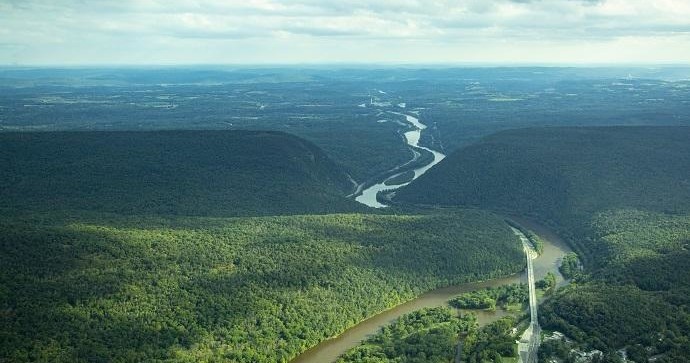
Newton’s rolling valleys, forested ridgelines, and open farmland make it an unexpectedly rewarding place to look down from the sky. From serene dawn balloon sorties and low-altitude scenic flights to tandem paragliding and aerial photography opportunities, the town's patchwork landscape and nearby ridges create approachable, visually rich air experiences for beginners and seasoned flyers alike. This guide focuses on what to expect in Newton specifically — the terrain that shapes flights, seasonal windows for favorable lift and calm mornings, and practical advice for planning air-based adventures in this corner of northwestern New Jersey.
Top Air Activities Trips in Newton
6 trips • Book with confidence • Instant confirmation
Why Newton Is a Compelling Base for Air Activities
There’s a distinct hush that arrives in the moments before takeoff here — a hush that comes from open fields, quiet back roads, and ridgelines that run like the spine of the landscape. Newton sits near a transition zone: the low hills and farms of Sussex County give way to the more pronounced topography of the Kittatinny Ridge to the west. That intersection of open landing corridors, thermally active daytime air, and protected stretches of scenic forest makes the area a natural stage for multiple kinds of air activities.
For hot-air ballooning, Newton’s agricultural flats and small clearings make for gentle landings and spectacular sunrise or sunset flights. Balloons prefer early-morning windows when the winds are calm and thermals minimal; under those conditions the patchwork of fields, ponds, and the dark green hints of conifer stands read like a living map. For tandem paragliding enthusiasts, nearby ridgelines provide launch opportunities where ridge lift and manageable thermals allow longer, scenic glides that hug the contours of the land. Helicopter and light-aircraft scenic flights favor the same lower-traffic airspace; from above, the High Point overlook, serpentine streams, and old quarry ponds resolve into graphic lines and textures that shift dramatically with season. Aerial photographers and filmmakers prize Newton’s changeable palette: spring’s soft pastels, summer’s dense canopy, autumn’s saturated foliage, and the spare, graphic geometry of winter fields.
Beyond the visual payoff, Newton’s appeal is practical. The town functions as a quiet staging area where operators can access launch zones without the congestion of larger airports. For visitors, this means shorter walks from pickup points to launch, easier parking, and a friendlier cadence to the day — less time in transit, more time looking up. The landscape itself is forgiving; agricultural parcels offer wide landing options and local landowners are often familiar with occasional flights, which eases coordination. That said, air activities in and around Newton are shaped by the same variables anywhere in the Northeast: weather windows are narrow, mornings are advantageous, and operators prioritize the safety margins around wildlife areas and vineyards.
Culturally, flying here feels like a local rite rather than an extreme stunt. Families and photographers join dawn balloon festivals or book a tandem paragliding experience for a bucket-list view of the valley. Pilots value the predictable early-morning air and the scenic diversity within short distances — small lakes, farm stands, ridges, and town centers. Environmentally, operators and flyers in the region tend to be conscious of noise management and responsible landing practices; because much of the land is privately owned or managed for conservation, careful preflight coordination with landowners and adherence to local guidelines is standard practice.
If you’re planning an air-based adventure from Newton, expect a highly visual, seasonally driven experience with a strong emphasis on weather windows, operator communication, and combining the flight with ground-based exploration: sunrise landings that lead to farmhouse breakfasts, helicopter drop-offs for ridge hikes, or balloon mornings that segue into a day of leaf-peeping. Newton’s sky is approachable — intimate enough for first flights, varied enough to reward repeat visits, and quiet enough to let the landscape tell its own story from above.
The variety is the draw: dawn balloon flights offer calm, cinematic light while paragliding tends to favor daytime ridge lift and thermally active afternoons; helicopters give quick, high-contrast overviews ideal for scouting or aerial photography.
Seasonality shapes everything. Spring and fall provide the most stable, photogenic air and are busiest for sightseeing flights; summer produces strong thermals ideal for longer paraglides but can be gustier, while winter offers dramatic, stark vistas but far fewer available flights.
Local land use matters: agricultural plots and open fields create safer landing sites, but coordinating with operators on access and respecting private property is part of a typical visit.
Best Time to Visit
Best Months
Weather Notes
Air activities depend heavily on wind and thermal conditions. Early mornings (sunrise–mid-morning) provide the calmest winds and the most reliable window for hot-air ballooning and scenic flights. Paragliding and some light-aircraft scenic trips may prefer steady daytime thermals for lift; summer afternoons can bring stronger thermals but also gustier, less predictable conditions. Always expect rapid changes in local weather and confirm flights with operators.
Peak Season
Late spring and fall (leaf-peeping season) draw the most visitors for scenic flights and balloon rides.
Off-Season Opportunities
Winter offers stark, graphic aerial landscapes with fewer crowds, but many operators reduce schedules or pause services; occasional calm winter mornings can be excellent for experienced pilots or specialized flights.
Frequently Asked Questions
How far in advance should I book an air activity?
Book as early as possible for weekend or peak-season dates; many operators schedule by weather windows and have limited daily capacity. If your dates are flexible, booking a day or two in advance with a backup window increases your chance of flying.
What happens if my flight is canceled due to weather?
Weather cancellations are common. Rebooking policies vary by operator — some offer the next available window, while others provide refunds. Confirm cancellation and rescheduling policies when you book.
Are air activities suitable for children or people with limited mobility?
Many activities have age, weight, and mobility guidelines. Tethered balloons and some scenic flights are family-friendly; paragliding tandems typically require able-bodied participants for launch and landing. Ask operators about accessibility and safety requirements before booking.
Choose Your Experience Level
Beginner
Introductory experiences with low physical demand and trained pilots handling all technical aspects.
- Tethered or short hot-air balloon flights at dawn
- Helicopter scenic tours with guided commentary
- Tandem paragliding short flights with instructor assistance
Intermediate
Activities that require some baseline fitness, brief training, or comfort with minor physical exertion during launch and landing.
- Tandem paragliding with longer ridge glides
- Introductory flight lessons in ultralight aircraft
- Aerial photography flights in light aircraft
Advanced
Higher-skill pursuits for experienced pilots or travelers with specialized training and equipment.
- Cross-country paragliding or ridge-hopping
- Pilot-led aerial survey or cinematography operations
- Advanced flight training in variable thermal conditions
Insider Tips & Local Knowledge
Always confirm flight conditions, safety requirements, and landowner permissions before your trip.
Book sunrise balloon flights for the calmest air and richest light — operators often gather well before dawn, so plan for an early start and bring warm layers. For paragliding, check local ridge conditions and wind forecasts; afternoons in summer deliver better thermals but also more variability. Helicopter and light-aircraft flights are highly weather-dependent — visibility is as important as wind. Respect private property and local wildlife habitat when landing; many operators coordinate with landowners and conservation groups, so follow crew instructions. If you're photographing from the air, secure camera straps and consider polarizing filters to reduce glare. Finally, build flexibility into your itinerary: weather cancellations are routine, and the best approach is to schedule a buffer day for reschedules or to pair a flight with a ground activity like a ridge hike, local farm breakfast, or fall foliage drive so you don’t lose a full day if conditions change.
What to Bring
Essential
- Layered jackets (mornings can be chilly even in summer)
- Secure footwear with good traction (for launch/landing sites)
- Sunglasses and sun protection
- Camera with wrist strap or secure mount
- Photo ID and any booking confirmations
Recommended
- Small daypack for after-flight activities
- Ear protection for helicopter flights
- Closed-toe shoes for tethered balloon or paraglider landings
- Light gloves for cool mornings
Optional
- Binoculars for bird or wildlife spotting from the air
- Light waterproof layer if rain is forecast
- Polarizing filter for aerial photography
Ready for Your Air Activities Adventure?
Browse 6 verified trips in Newton with instant booking
Explore Top 15 Newton, New Jersey, United States Adventures →