12

Whale Watching from Newmarket, New Hampshire

Newmarket, New Hampshire

Newmarket sits inland along tidal rivers that thread into Great Bay, positioning the town as a quietly atmospheric gateway to Gulf of Maine whale watching. While deep-water trips launch from nearby coastal harbors, Newmarket’s estuary culture, interpretive centers, and shore-side wildlife viewing make it an ideal base for combining marine wildlife encounters with kayaking, birding, and historic seaport walks.

6
Activities
May–October
Best Months

Top Whale Watch Trips in Newmarket

6 trips • Book with confidence • Instant confirmation

Why Whale Watching Near Newmarket Feels Different

Newmarket’s charm isn’t grand seaside bluster; it’s the low, tidal pulse of a river town that opens into a living estuary. Standing on a boardwalk where the Lamprey meets Great Bay, you can feel the same tide that carries microscopic plankton and herring out into the Gulf of Maine—food for the larger life that draws whale watches offshore. The practical truth is that most deep-water whale watch boats depart from harbor towns on the coast, but the story of seeing whales from a Newmarket base is richer than departure points alone. It’s about beginning a day with estuary birds calling from salt marshes, folding a kayak into the trunk for an early paddle to warm up, then driving the brief coastal stretch to a boat that will take you into the whale migration corridor.

The Gulf of Maine is one of the North Atlantic’s most productive marine ecosystems; seasonal currents and abundant forage create reliable feeding windows for humpback and minke whales along the continental shelf. For travelers based in Newmarket, that means a day of layered contrasts: quiet, reflective riverfront moments and interpretive exhibits at estuarine centers followed by the open, kinetic theater of surface blows, tail slaps, and breaching beyond the harbor mouth. These two halves—estuary and ocean—complement one another. Kayaking the calmer channels of Great Bay can introduce you to seals, terns, and eider ducks before you see the same food web’s upper reaches play out offshore. Onshore, you’ll find maritime history and seafood culture that ground the marine spectacle in human context: lobstermen, research groups, and educators who can explain why whales show up where they do.

From a planning angle, Newmarket’s advantage is convenience. Lodging and quiet streets give a restful base for early departures; local cafes and provisioning spots mean you can assemble layers, snacks, and motion-sickness remedies before you board. And because whale watching is inherently seasonal and weather-dependent, the town’s proximity to multiple coastal docks lets you pivot—choose morning trips, afternoon cruises, or specialized photography voyages based on daily conditions. In short, whale watching from Newmarket isn’t simply about where the boat leaves from. It’s a layered itinerary: estuarine immersion, coastal culture, and offshore encounter, stitched together by short drives and a deliberately slower tempo that makes each sighting feel earned.

The local estuary is an ecosystem classroom—conservation organizations run interpretive programs that help visitors understand how tidal rivers nourish offshore life.

Operators commonly run half-day to full-day trips to the Gulf of Maine; sightings concentrate in late spring through early fall when whales follow baitfish and plankton blooms.

Combine whale watching with kayaking, seal and shorebird excursions, or a seafood meal in a nearby harbor town to make a full-day marine itinerary.

Activity focus: Marine wildlife viewing (whales, dolphins, seals) and estuary ecology
Primary species: Humpback and minke whales are most commonly sighted in the Gulf of Maine
Access: Most whale watch vessels depart from nearby coastal harbors rather than Newmarket’s riverfront
Trip length: Operators typically offer half-day and full-day outings; weather dictates exact schedules
Combine with: Kayaking Great Bay, guided birding, coastal tidepooling, and maritime museums

Best Time to Visit

Best Months

MayJuneJulyAugustSeptemberOctober

Weather Notes

Spring and early summer bring plankton blooms and incoming baitfish; summer offers warmer days but sometimes choppier seas. Fall can concentrate feeding activity as whales follow prey. Always check wind and sea-state forecasts—conditions change quickly offshore.

Peak Season

July–August

Off-Season Opportunities

Winter and early spring are quieter for large whales, but seal watching, shorebird migration, and estuary-focused programming continue; some operators run limited trips in shoulder seasons.

Frequently Asked Questions

Do whale watches leave from Newmarket?

Most full whale-watch vessels depart from coastal harbors nearby; Newmarket serves as a convenient inland base with easy access to those launch points and estuary-based wildlife viewing.

How long do whale watch trips typically last?

Trip lengths vary by operator and destination—half-day to full-day cruises are common. Exact durations depend on distance to feeding grounds and sea conditions; check individual operator listings when booking.

Are whale watches family friendly?

Yes—many operators welcome children and families, though younger kids may be sensitive to wind and motion. Bring layers, snacks, and motion-sickness prevention if needed.

Choose Your Experience Level

Beginner

Shoreline and estuary-focused activities plus calm, nearshore cruises suitable for those new to marine outings.

  • Estuary boardwalk birding and seal spotting
  • Short harbor cruises with wildlife narration
  • Half-day whale watch from a large, stable vessel

Intermediate

Half-day offshore whale watches, combined kayak + wildlife tours, and guided shore excursions requiring basic sea or paddling skills.

  • Open-boat whale watch to the continental shelf edge
  • Guided kayak tour of Great Bay with interpretive stops
  • Photography-focused whale-watching outings

Advanced

Extended offshore expeditions, chartered photography trips, or multi-day marine-focused itineraries that require sea savvy and preparation.

  • Full-day offshore charter to focused feeding grounds
  • Small-group photo expeditions with expert guides
  • Research-oriented trips that join scientists and volunteers

Insider Tips & Local Knowledge

Check weather and sea conditions, confirm boarding locations, and ask operators about group sizes and wildlife sighting guarantees before booking.

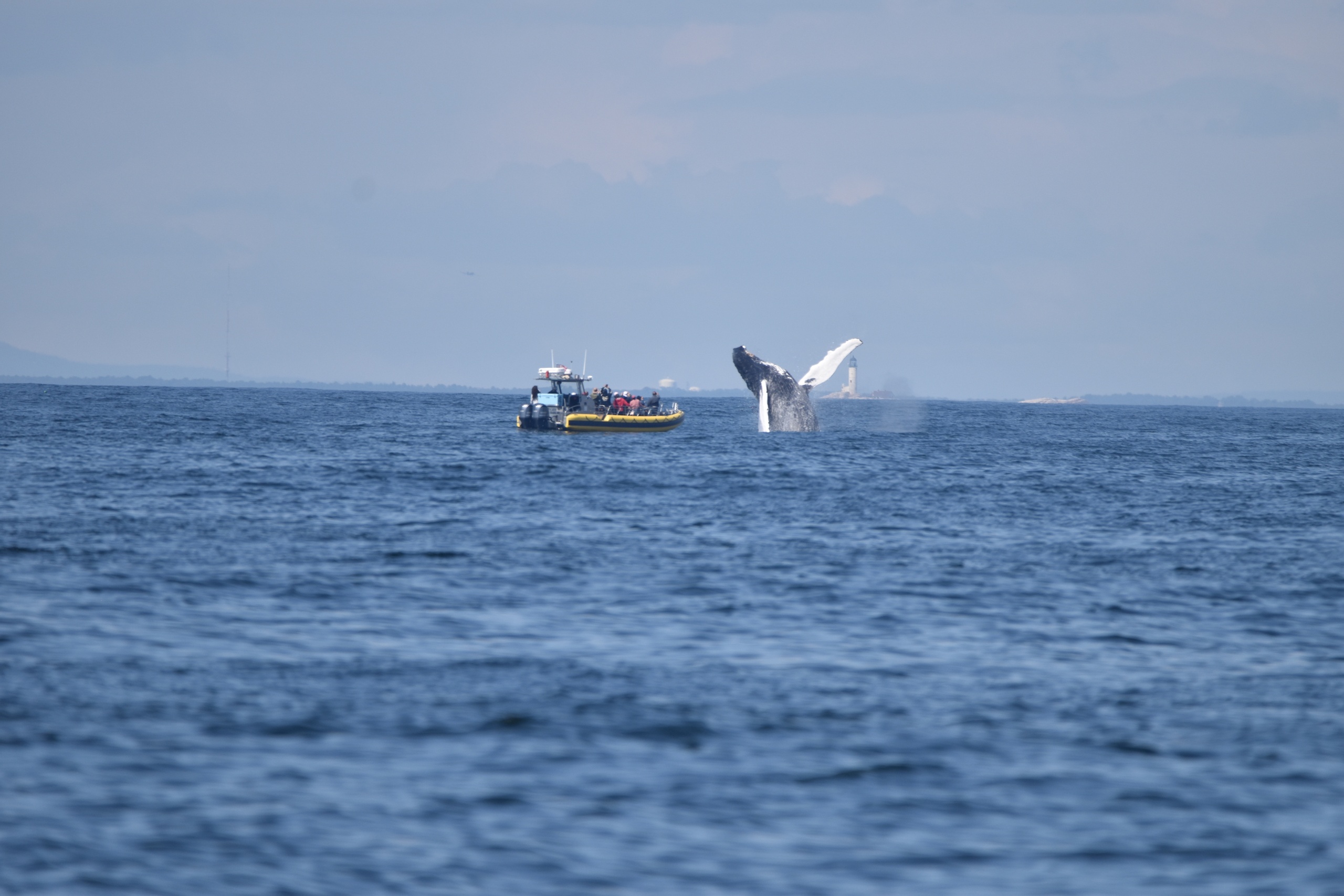
Book morning departures when seas are typically calmer and animals may be actively feeding. If you’re prone to seasickness, take medication an hour before boarding and choose larger vessels with more stability. Bring layered clothing—even at midsummer the wind on the water can be sharp. Pair a whale watch with a morning kayak on Great Bay or an afternoon visit to a maritime museum to understand the human—and ecological—context of the sightings. Support local conservation by choosing operators that practice responsible viewing guidelines and by visiting interpretive centers that monitor estuary health. Finally, expect the unexpected: a quiet morning at sea can turn into a thrilling encounter when a humpback surfaces near the boat, so keep cameras and binoculars at the ready.

What to Bring

Essential

  • Waterproof, windproof shell and warm mid-layer (it’s colder offshore)
  • Motion-sickness medication or patch if you’re prone to seasickness
  • Binoculars and a medium-zoom camera with a strap
  • Closed-toe shoes with good traction
  • Reusable water bottle and snacks (check operator policies)

Recommended

  • Hat and gloves for early-morning or evening trips
  • Sunglasses and reef-safe sunscreen
  • Small daypack to carry layers and camera
  • Portable phone charger

Optional

  • Compact spotting scope for shore-based viewing
  • Waterproof phone case
  • Notebook for field notes and species IDs

Ready for Your Whale Watch Adventure?

Browse 6 verified trips in Newmarket with instant booking

Explore Top 15 Newmarket, New Hampshire Adventures →