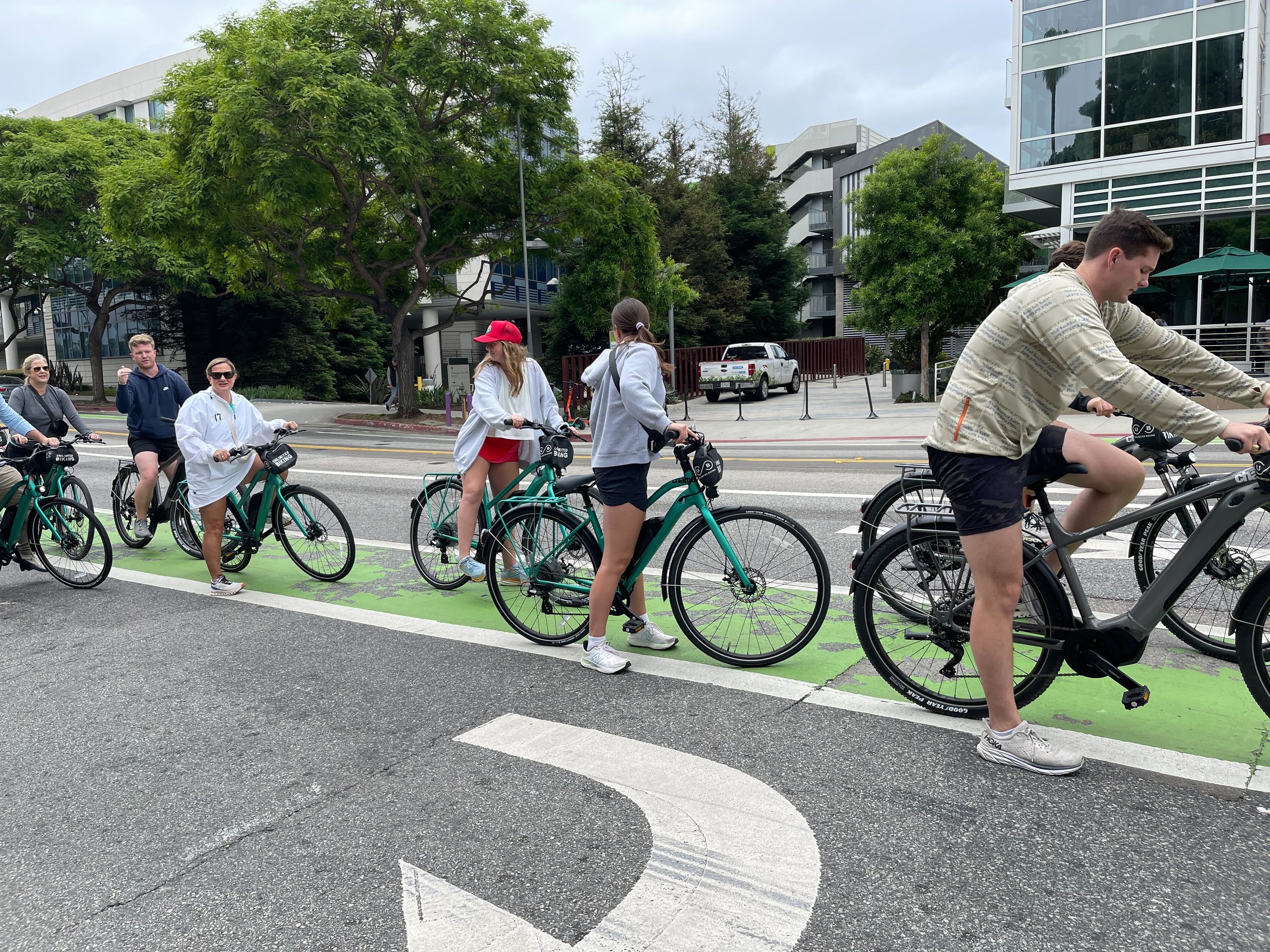
Newhall sits at the gentle hinge between Los Angeles’s suburban sprawl and the raw, scrub‑dusted canyons that peel away toward the Antelope Valley. For the e‑biker, that edge is an asset: easy access from I‑5 or the 14 makes it a practical half‑day escape from the city, and the riding options are refreshingly varied. You can set out on a flat, glassy cruise along the Santa Clara River Trail, weaving under eucalyptus and past low bridges; jump onto wide, graded fire roads that rise into chaparral‑lined canyon shoulders; or explore Old Town Newhall’s car‑free pockets and coffee shops between rides. The contrast—flat commuter paths and raw canyon grades—creates a small but complete playground for every e‑bike class and rider ambition.
The character of the terrain matters. Trails and corridors here reflect a semi‑arid ecosystem: rolling hills of sage and chamise, intermittent washes, and oak pockets clinging to seasonal springs. That means a lot of short, steep pitches and descents rather than long alpine climbs. For e‑bikes this is perfect: battery‑assisted bursts flatten steep switchbacks that would otherwise require a heavy gear grind, while the flatter river corridor preserves range for sightseeing and looping. The region’s microclimate is also forgiving—winters are mild, springs bring wildflower credits across exposed slopes, and mornings are the best time to ride through summer heat.
Culturally, Newhall is a friendly, small‑town hub with a growing outdoor scene. Local bike shops and rental operators cater to casual visitors as well as performance riders, and Old Town Newhall provides the human infrastructure—cafés, bike repair stops, and shady parks—to build a riding day around. The area is also an access point to complementary adventures: rock climbing and photography at Vasquez Rocks, hiking in Placerita Canyon, and scenic drives into Agua Dulce for vineyards and vistas. E‑biking here is rarely about a single, epic objective; it’s about stitching together short, memorable sections—riverfront cruising, canyon climbs, a coffee stop—and leaving the car parked while you explore the valley’s textures.
Planning matters: charging options are limited on the trail, singletrack access can be restricted depending on e‑bike class, and heat management is essential in summer. But with a handful of practical choices—early starts, spare tubes, a lightweight lock, and awareness of local rules—Newhall becomes a highly approachable region for electric riders. This guide emphasizes those practicalities while mapping rides that show off the area’s geology, human scale, and the particular pleasure of moving effortlessly across varied Southern California terrain.
Newhall’s mix of paved river trails and graded fire roads makes it ideal for both short social rides and longer exploratory loops that connect canyon terrain to Old Town amenities.
E‑bikes flatten the sharp canyon grades found at Placerita and Bouquet canyons, opening up routes that are otherwise fitness‑intensive on a conventional bike.
The harbor is the gateway, and the Pacific becomes the classroom.
Because infrastructure is spread out, plan for battery management: charge before you ride, carry a light power bank if you rely heavily on throttle, and map charging/rental shop stops if you need a refill.
Local rules vary: many paved multi‑use paths accept e‑bikes broadly, but some singletrack or protected natural areas restrict motorized devices or certain e‑bike classes—always check signage and land manager rules.
Choose by purpose
Whale watching, snorkeling, sunset sailing, cultural canoeing, harbor sightseeing, or private chartering.
Start near the city
Waikiki and Honolulu Harbor are primary hubs, with some trips launching near Hanauma Bay.
Confirm the vessel
Gangways, shaded seating, and boarding requirements vary according to vessel size and operator.