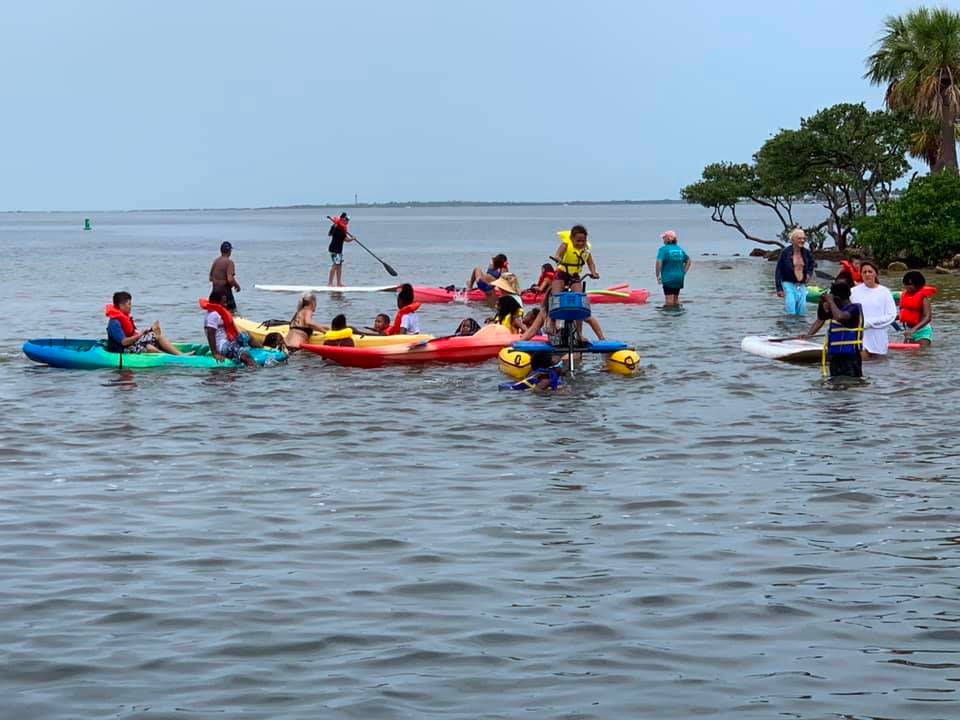
Top 24 Stand-Up Paddleboarding (SUP) Adventures in New Port Richey, Florida
New Port Richey is compact but generous for stand-up paddleboarding. The town’s braided estuaries, mangrove-lined river corridors, and shallow Gulf flats create an easy, low-stress playground for SUPers—from first-time paddlers gliding on glassy morning water to experienced riders chasing wind-protected channels and wildlife encounters. This guide focuses on day outings, launch logistics, seasonal considerations, and how to combine a river paddle with shelling, birding, or a sunset picnic on a sandbar.
Top SUP Trips in New Port Richey
24 trips • Book with confidence • Instant confirmation
Why New Port Richey Is a Standout SUP Destination
Stand-up paddleboarding in New Port Richey feels like paddling through a postcard of Florida’s coastal interior: a slow river braided through stands of mangrove with open views that break toward the Gulf. The Pithlachascotee—often called the Cotee—is the spine of the local paddling scene. It moves gently, widening into estuarine finger inlets where tides sketch shallow channels around oyster bars and salt marsh. The geography favors exploration over brute force. You can drift with an easy tide, inspect a rookery from a respectful distance, and drift toward a quiet sand flat to pull up and stretch.
The best days here are early mornings and late afternoons when winds drop and the water turns mirror-smooth. Because much of the paddling happens in protected waters—shallow bays, back channels, and mangrove tunnels—New Port Richey is an inviting place to learn core SUP skills: balance, steering, reading tidal flow and finding the most protected lines on a windy bay. Wildlife is a constant companion: manatees browse in spring and winter, dolphins sometimes push the river mouth, and a chorus of coastal birds patrols the marsh edges. That intimacy with wildlife and with the water itself is what makes a SUP trip here feel like a short, restorative expedition rather than a checklist activity.
Practical advantages are plain. Launch points are close to town, so a half-day outing turns into a full day of complementary activities—grab a rental and a guide for an easy intro, or pack a cooler and make a floating lunch stop at a sandbar. The region’s low tides can expose vast flats that are excellent for wading and shelling; high tides open up the mangrove tunnels for quieter, deeper-line paddling. For travelers who like variety, New Port Richey serves as a base for short drives to larger barrier island systems, or for pairing a mellow river paddle with roadside bike loops and waterfront dining.
Protected water: Estuaries and mangrove channels reduce fetch and make paddling calm for learners and those seeking peaceful wildlife viewing.
Wildlife encounters: Expect manatees, occasional dolphins near the mouth, and abundant shorebirds—respect seasonal nesting zones.
Accessible launches: Town riverfront parks and county boat ramps provide straightforward put-in options for boards and small boats.
Versatile outings: Choose short guided tours, self-led river loops, flats for shelling and snorkeling, or longer coastal runs when conditions allow.
Best Time to Visit
Best Months
Weather Notes
Late fall through spring offers mild temperatures, lower humidity, and calmer seas. Summer brings heat, higher humidity, and frequent afternoon thunderstorms; hurricane season runs June–November and can affect coastal water quality. Wind patterns pick up sea breezes midday—plan morning or late-afternoon paddles for calm water.
Peak Season
November through April—milder weather and more consistent paddling conditions.
Off-Season Opportunities
Summer and early fall can mean fewer crowds and cheaper rentals; pick early-morning launches to avoid heat and thunderstorms. Monitor algal bloom and red tide advisories during warm months.
Frequently Asked Questions
Do I need permits to SUP local rivers and estuaries?
Most recreational paddling does not require a permit, but parking, launch facility fees, or special restrictions can apply at some preserves and wildlife areas—check local park websites before you go.
Are guided SUP tours available for beginners?
Yes. Local outfitters offer guided river tours, intro lessons, and rentals that pair instruction with easy routes—great for first-timers who want confidence before going solo.
How do tides and wind affect routes?
Tides change water depth around flats and mangrove channels; plan passages through shallow bars at higher tide. Wind creates chop on exposed flats—choose downwind runs or sheltered river channels when breezy.
Choose Your Experience Level
Beginner
Flat-water river loops and short estuary circuits with minimal current—ideal for learning balance, stroke technique, and how to read shallow channels.
- Short Cotee River loop from a town launch
- Guided mangrove tunnel tour
- Calm morning flats near the river mouth
Intermediate
Longer outings requiring tide and wind planning, basic navigation skills, and comfortable board-handling over mixed conditions.
- Tidal estuary crossing to explore oyster bars
- Sandbar picnic and swim on a higher tide
- Nearshore coastal run to protected bay sections
Advanced
Open-water coastal runs, longer cross-channel legs, or multi-hour excursions requiring strong paddling fitness, weather forecasting, and contingency planning.
- Extended coastal paddles timed to current and wind
- Multi-hour exploration combining river and nearshore legs
- Solo day trips requiring route planning and safety gear
Insider Tips & Local Knowledge
Always check tide, wind, and local water-quality advisories before launching. Respect wildlife, observe posted protections, and pack out what you bring in.
Launch early for glassy water and cooler temperatures—sunrise paddles can reward you with manatees in quiet channels and spectacular light for photos. Popular put-ins include the downtown riverfront and county parks with easy access ramps; these are also the best places to find rentals and guided trips. Pay attention to tides: low tide exposes flats and sandbars perfect for shelling but can strand boards if you misjudge depth. Conversely, higher tides open mangrove passages and allow you to explore inner channels. Watch the Gulf water-quality reports—red tide events occasionally affect west Florida and can change where it’s pleasant to paddle. For windier days, stick to the main river corridors and lee sides of islands or plan a downwind return. If you want solitude, head upriver into narrower channels where powerboats rarely venture. Combine a paddle with shoreline activities—shelling, birdwatching, or a waterfront meal at a local café—so the day feels like a full, slow-moving coastal escape.
What to Bring
Essential
- U.S. Coast Guard–approved personal flotation device (PFD)
- Leash appropriate for board type (especially on open water)
- Dry bag for phone, keys, and a light first-aid kit
- Sun protection: hat, long-sleeve UV shirt, reef-safe sunscreen
- Water and snacks; the sun is strong even on cooler days
Recommended
- Inflatable pump and repair kit (if using an iSUP)
- A small anchor or stake for a floating lunch or beach stops
- Water shoes for launching and walking exposed flats
- Tide chart or app and a basic GPS or phone navigation tool
- Lightweight windbreaker for changing sea breezes
Optional
- Binoculars and a camera with a protective case
- Floating flashlight or board lights for dusk paddles
- Wetsuit top or neoprene booties in cooler winter mornings
- Compact paddle leash and spare paddle strap
Ready for Your SUP Adventure?
Browse 24 verified trips in New Port Richey with instant booking
Explore Top 15 New Port Richey, Florida Adventures →