Eco Tours in New Port Richey, Florida
Salt-scented breezes, braided tidal creeks, and a surprising concentration of coastal wildlife make New Port Richey a quietly compelling place for eco tours. This guide focuses on interpretive boat trips, guided paddles, mangrove walks, and shore-based birding that illuminate the Gulf Coast’s estuarine systems and conservation stories.
Top Eco Tour Trips in New Port Richey
22 trips • Book with confidence • Instant confirmation
Why New Port Richey Shines for Eco Tours
New Port Richey’s eco-tour appeal lives in transitions: where freshwater from the Pithlachascotee (Cotee) River meets the Gulf’s tannic tides, where mangrove roots weave living fences for juvenile fish, and where tiny barrier islands like Anclote Key host seabird colonies just offshore. On a single half-day outing you can move from shaded river paddles through sculpted mangrove tunnels to open-water vistas that reveal dolphins feeding on the tide, manatees gliding in slow wakes, and flocks of migratory shorebirds tracing the shoreline.
The city itself is compact and unassuming, but the surrounding geography is a microcosm of coastal Florida ecology. Salt marshes and seagrass beds act as nurseries for gamefish and as carbon sinks; sand flats expose beds of bivalves and green algae at low tide; and offshore keys preserve beaches and dunes that are critical for nesting sea turtles and terns. Guided eco tours here are often led by local naturalists—people who can move from species identification to explaining historical uses of the river, the role of indigenous peoples in shaping the landscape, and modern conservation challenges like water quality and coastal development.
Because New Port Richey sits at the northern edge of Florida’s subtropical zone, seasonality shapes the experience in distinct, useful ways. Spring and fall bring migratory birds and mild weather, summer delivers lush growth and abundant life beneath the surface (plus energetic mosquitoes at dusk), and winter offers quieter waters and easy visibility for shore-based spotting. The character of an eco tour depends on tide and time of day: early morning paddles favor bird activity and glassy water; afternoon trips near the barrier islands often reveal dolphin pods and the shifting beaches that make Anclote Key special.
Eco tours in New Port Richey pair naturally with complementary activities—shelling and snorkeling trips to Anclote Key, catch-and-release fishing charters that double as biology lessons, and bike rides along coastal parks for a land-based view of the same ecosystems. Above all, tours here emphasize story as much as species: you’ll leave with binoculars and a checklist, but also with context—the histories, the restoration efforts, and the practical ways visitors can support the resilience of these coastal systems.
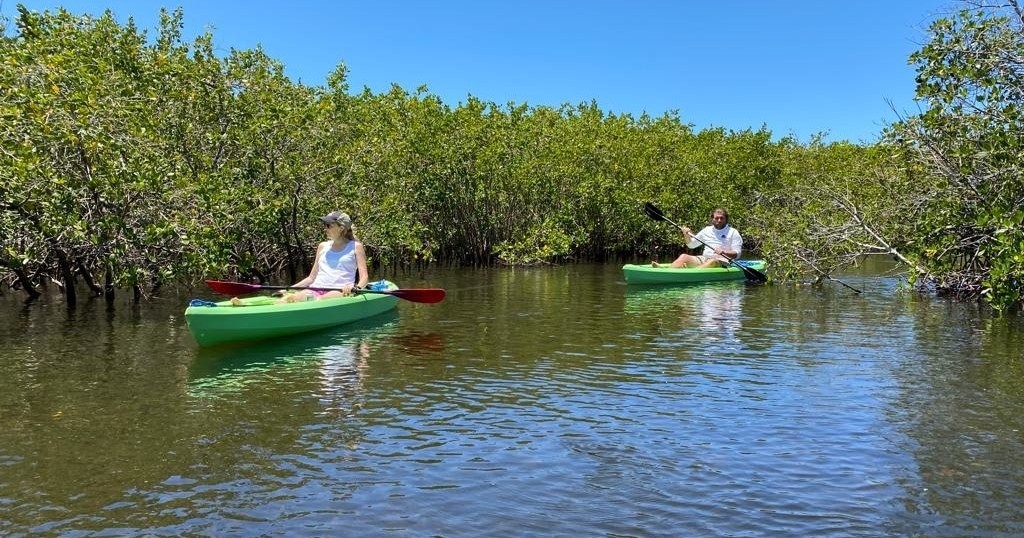
Local guides focus on small-group experiences—kayak and paddleboard tours through mangroves, flat-bottom boat rides into shallow estuaries, and guided walks that decode salt-marsh ecology and shell middens.
Water quality and tide windows are central planning considerations. Many of the best viewing opportunities depend on low tides or outgoing flows that concentrate prey and attract birds and marine mammals.
Conservation is part of the narrative: expect conversations about seagrass restoration, shorebird protection during nesting season, and how homeowners and visitors can reduce runoff and light pollution that affect sea turtle nesting.
Best Time to Visit
Best Months
Weather Notes
Spring and fall provide the most comfortable temperatures and active migratory bird life. Summers are hot, humid, and mosquito-prone; afternoon thunderstorms are common. Hurricane season (June–November) can affect scheduling—check forecasts and operator cancellation policies.
Peak Season
Spring migration (March–May) and fall shorebird movement are the heaviest periods for guided tours.
Off-Season Opportunities
Winter offers quieter waterways and good visibility for shore-based spotting; operators may run fewer daily departures but often provide more personalized experiences.
Frequently Asked Questions
Do I need a permit to join an eco tour?
Most commercial eco tours operate under the operator’s permits; individual visitors generally do not need a special permit to join a guided tour. For private launches into protected islands or state parks, entry fees or site reservations may apply—confirm with the operator.
Are tours family-friendly?
Yes—many operators offer family-friendly paddles and boat trips. Age and weight limits vary by vessel and activity; check with the operator for child life-jacket availability and minimum age guidelines.
What should I know about wildlife interactions?
Guides emphasize viewing from a respectful distance. Do not attempt to feed or touch wildlife. For sea turtles and shorebird nesting areas, follow posted buffers and keep lights off on nearby beaches at night.
How do tides affect tours?
Tide dictates access to mangrove tunnels, sand flats, and some shallow channels—some tours are scheduled around outgoing tides for better shorebird and marine life concentration, while others favor high tide for easier paddling.
Choose Your Experience Level
Beginner
Gentle, guided boat tours and short flatwater paddles suitable for newcomers and families.
- Short mangrove kayak loop
- Half-day interpretive boat ride on the Cotee River
- Shorebird watching at low-tide flats
Intermediate
Longer paddles with moderate currents, mixed shallow-water navigation, or trips that include short open-water crossings to nearby keys.
- Full-day paddle and beach stop at Anclote Key
- Guided seagrass and snorkel eco-trip
- Sunrise birding and estuary tour
Advanced
Multi-hour navigational paddles, open-Gulf crossings, or independent explorations requiring strong paddling skills and tide planning.
- Standalone kayak crossing to barrier islands at high tide
- Self-guided estuary circumnavigation with tide-driven timing
- Extended flats expeditions timed with spring low tides
Insider Tips & Local Knowledge
Confirm tide schedules and weather the day before your tour; small boats and kayaks are sensitive to wind and chop.
Book morning departures for calmer water and the best bird activity. If you want solitude, ask operators about weekday or off-peak departures. For Anclote Key trips, bring reef-safe sunscreen and a small bag for any trash—the keys have limited facilities. Respect posted nesting areas and avoid walking on dunes. Support local conservation by choosing operators who practice leave-no-trace, brief visitors on wildlife etiquette, and contribute to local habitat restoration or citizen-science programs when possible.
What to Bring
Essential
- Sun protection (wide-brim hat, SPF sunscreen, polarized sunglasses)
- Reusable water bottle and light snacks
- Waterproof footwear or sandals with toe protection
- Binoculars for birding
- Light waterproof jacket for passing showers
Recommended
- Light long-sleeve layer for sun and mosquitoes
- Small dry bag for phone and camera
- Insect repellent (DEET or picaridin)
- Motion-sickness medication if sensitive to wake on open-water crossings
Optional
- Underwater camera or snorkel gear for Anclote Key trips
- Field guide or species checklist
- Compact umbrella or rain shell in summer months
Ready for Your Eco Tour Adventure?
Browse 22 verified trips in New Port Richey with instant booking
Explore Top 15 New Port Richey, Florida Adventures →