Top Photography Tours in New Castle, New Hampshire
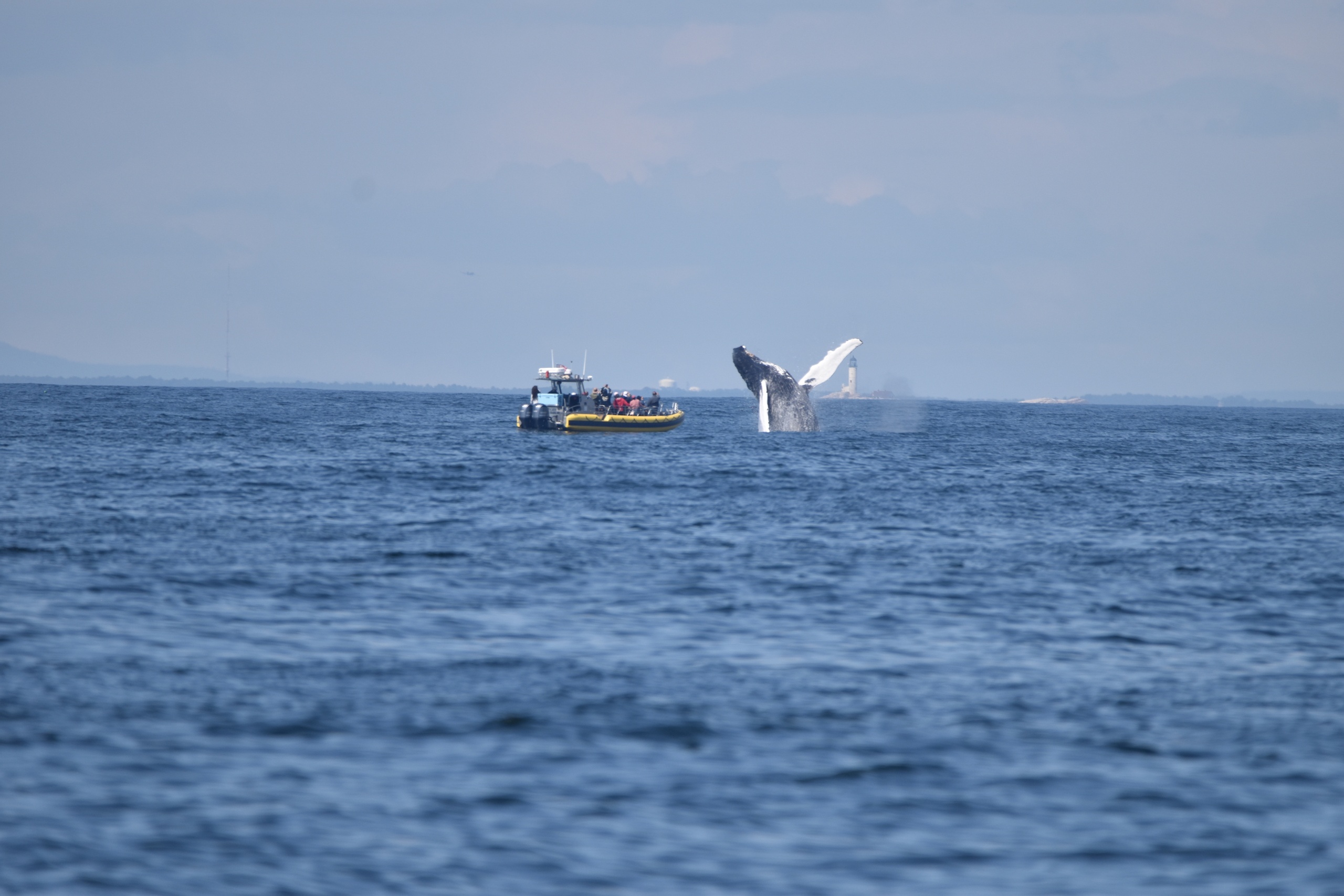
Nestled at the mouth of the Piscataqua River, New Castle is a compact coastline that punches above its weight for photographers. From sun-saturated mornings at the lighthouse to glassy twilight over rocky ledges and intimate tidepool macro work, guided photography tours here turn a short drive from Portsmouth into a concentrated study of light, sea, and history. This guide zeroes in on the photography-specific experiences—shoreline compositions, historic-structure portraits, bird and tidepool sessions, and small-boat excursions that expand the frame beyond the shore.
Top Photography Tour Trips in New Castle
8 trips • Book with confidence • Instant confirmation
Why New Castle Is a Standout for Photography Tours
A photographer arrives in New Castle and the scale of the place changes: broad oceanic moods compress into a single sliver of coastline, historic stonework and weathered wood become foreground texture, and tides pull back the curtain to reveal a microcosm of Atlantic life. For photographers chasing light and story, New Castle offers a rare combination of accessibility and depth. Mornings here are cinematic—low-angle sun skimming the water, lighthouses outlined against pastels, and gulls reheating their wings in the thin air. Midday calls for close work: tidepools flush with color, barnacled rocks, and the geometry of piers and pilings. Late afternoons deliver sculptural shadows across salt-marsh grasses; if a storm is brewing, the sky performs in a way only coastal New England can, trading soft silver for saturated drama in minutes.
Beyond the light, New Castle's compact geography makes deliberate photographic itineraries possible in a single morning or an extended golden-hour loop. Fort Constitution's stone parapets frame wide estuary views and historic context, while the accessible shoreline at Great Island and Langdon's Island offers composition-rich rocky promontories and sheltered coves. Guided tours that include short boat hops to the outer islands—where seabirds wheel and sea-spray becomes an active compositional element—turn a standard landscape day into a layered, experiential portfolio session. For workshop leaders and guides, New Castle is a classroom with immediate feedback: tide tables determine subject availability, wind and swell shape foreground energy, and the built environment provides scale and narrative.
The town's photographic appeal is also temporal. Spring migration punctuates early-season tours with shorebird activity; summer delivers calm-water reflections and long golden hours; fall brings crisp color and compressed atmosphere ideal for moody seascapes; and winter, while colder and raw, can produce the most cinematic stormlight and icicle-sculpted edges for those willing to dress appropriately. Night and astro photography are feasible on clear evenings away from Portsmouth's glow, and long-exposure seascapes reward patience when tides and composition align. Practically, photography tours in New Castle tend to emphasize small groups, equipment flexibility, and tide-aware itineraries—meaning every shoot is as much about timing and local knowledge as it is about gear choice. These factors—unique coastal light, concentrated landscape diversity, and easy logistical reach from the Seacoast hub of Portsmouth—make New Castle a refined, efficient place to practice and expand a photographic eye.
Compact coastline: you can move between lighthouse, fort, and tidepools in one guided session, maximizing golden-hour shooting.
Tide-dependent subjects: many of the best compositions reveal themselves only at low tide—professional guides plan tours around the tide table.
Varied genres: landscape, seascape, macro (tidepools), architectural/historic, birding, and night photography are all accessible within short distances.
Boat-access expands range: short excursions to nearby islands multiply seabird and open-ocean composition opportunities.
Best Time to Visit
Best Months
Weather Notes
Coastal weather is changeable—mornings can be glassy and calm while afternoons bring sea breezes. Fog is common in late spring and early summer and can produce ethereal, diffused light. Autumn offers crisp air and clearer skies. Winter storms create dramatic conditions but require cold-weather gear. Always check tide tables and wind forecasts before a shoot.
Peak Season
Summer weekends and early fall for pleasant weather and accessible tides; sunrise tours see the most demand during these months.
Off-Season Opportunities
Winter and late-fall offer dramatic stormlight, fewer crowds, and unique ice-and-wave compositions for prepared photographers.
Frequently Asked Questions
Do I need permits to photograph on the shore or historic sites?
Most public shoreline and state park areas permit photography for personal use, but commercial shoots and drone operations may require permits. Check with Fort Constitution/park authorities and local town regulations if planning a paid workshop or drone flight.
Are tours suitable for beginners who want photography instruction?
Yes. Many local photography tours and workshops cater to mixed skill levels, offering hands-on instruction in composition, exposure, and low-light techniques while adapting to the group's pace.
What should I know about tides and safety?
Tides dramatically change accessible terrain and composition. Guided tours plan around low tides for tidepool access; if you're exploring independently, consult tide tables, watch for incoming water on narrow ledges, and avoid slippery algae-covered rocks.
Choose Your Experience Level
Beginner
Guided sunrise/sunset sessions focused on composition basics, camera settings, and simple long-exposure introductions on stable ground.
- Sunrise at historic lighthouse with basic exposure coaching
- Intro tidepool walk and macro composition basics
- Golden-hour shoreline walk with feedback on framing
Intermediate
Workshops that cover manual exposure, filter use for water smoothing, and handheld telephoto techniques for seabird subjects.
- Long-exposure seascape workshop using ND filters
- Tide-aware composition session at Langdon's Island
- Small-boat trip to nearby islands for seabird and open-ocean framing
Advanced
Specialized tours focused on complex lighting, multi-stop itineraries, night/astro work, or commercial-style shoots involving scouting and timing.
- Nightscape and Milky Way session away from town lights
- Stormfront seascape shoot with dynamic-weather timing
- Aerial composition workshop (drone regulations permitting)
Insider Tips & Local Knowledge
Always verify local access rules, tide times, and weather advisories before a shoot.
Plan around the tide: low tide opens up tidal shelves and pools; high tide changes foreground dynamics and may bring dramatic surf. Sunrise and the first hour after dawn offer the softest directional light on the east-facing shoreline, while sunset can backlight pilings and create long reflections—check exact angles for the date you plan to shoot. Wear layered, waterproof clothing and non-slip footwear; sea spray and wind can change conditions rapidly. If you’re using a drone, confirm town and state park drone rules and file FAA airspace notifications when required. Prefer small-group tours for hands-on feedback—local guides know the best vantage points and how to time the tide, saving you hours of scouting. Finally, respect nesting birds and marked closures during breeding season; a good image is never worth disturbing wildlife.
What to Bring
Essential
- Weather-sealed camera body and primary lens(es)
- Sturdy tripod for long exposures and low-light work
- Polarizer and neutral-density filters for water control
- Waterproof boots or sturdy shoes (rocky and slippery terrain)
- Layered clothing and windproof shell
Recommended
- Wide-angle lens (16–35mm or equivalent) for seascapes
- Telephoto lens (70–200mm or longer) for birds and distant compositions
- Lens cloths and protective covers for sea spray
- Extra batteries and memory cards (cold drains batteries faster)
- Compact stool or mat for tidepool/low-angle work
Optional
- Drone for aerial compositions (check local regulations and tour policies)
- Portable reflector for portrait-style lighthouse or historic-site shots
- Waterproof camera housing or rain cover for heavy spray
- Intervalometer for time-lapse sequences
Ready for Your Photography Tour Adventure?
Browse 8 verified trips in New Castle with instant booking
Explore Top 15 New Castle, New Hampshire Adventures →