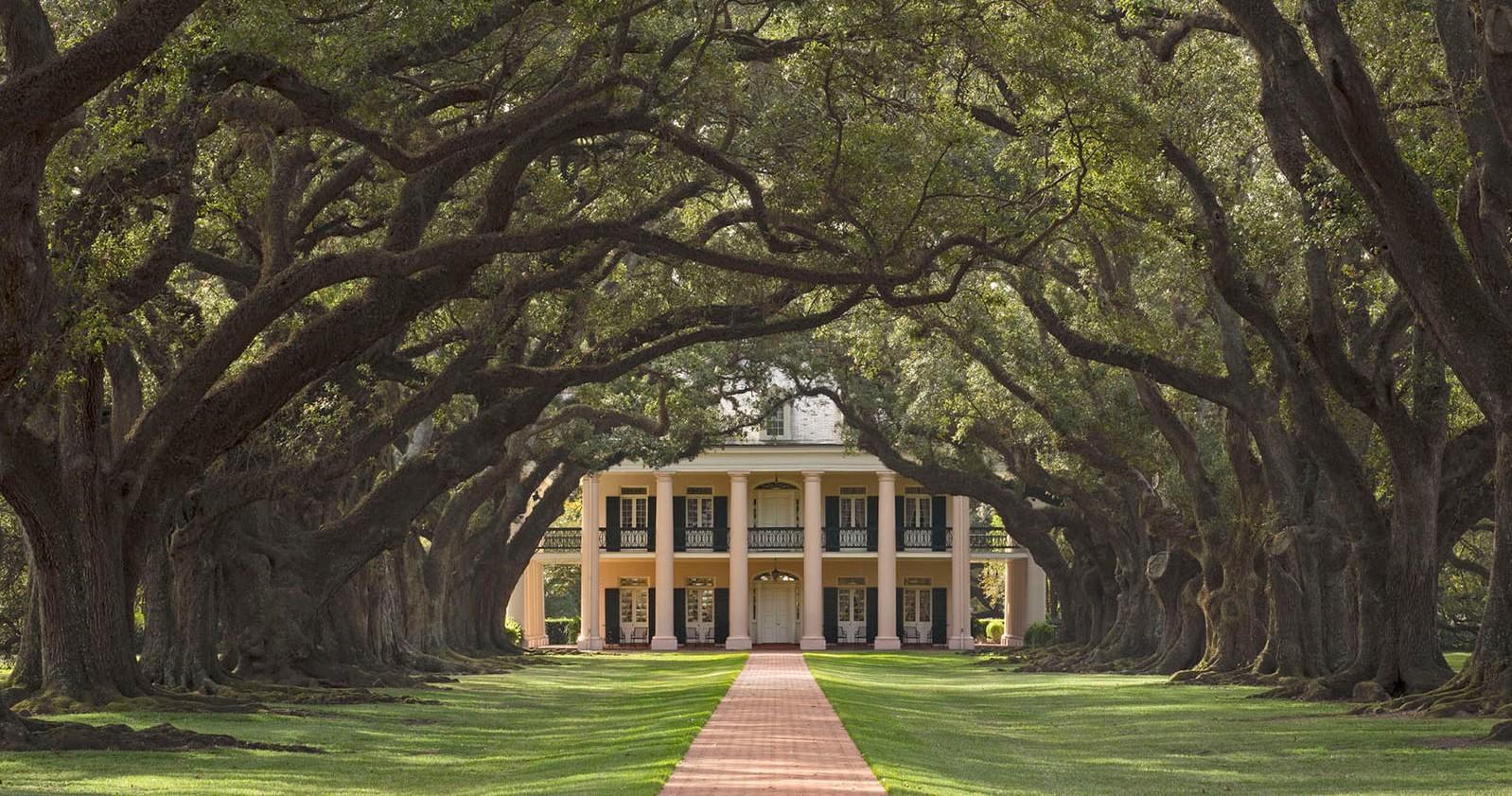
Walking Tours in Nash, Louisiana

Nash, Louisiana

Nash’s walking tours trade vertical climbs for narrative depth: slow-paced routes that braid local history, vernacular architecture, and riverine ecology. Whether you’re ambling past century-old storefronts, threading a boardwalk through cypress knees, or taking a food-and-story jaunt with a local guide, walking here is an invitation to listen—to stories of settlement, labor, and the land that shaped them.

105
Activities
Fall–Spring
Best Months

Top Walking Tour Trips in Nash

105 trips • Book with confidence • Instant confirmation

Why Nash Is a Singular Walking‑Tour Destination

Walking in Nash is less about covering ground and more about tuning in. The town sits in a low, languid part of Louisiana where landscapes unfold slowly—wide skies, oak canopies draped in Spanish moss, and low-lying wetlands that seep into both the local economy and imagination. A walking tour here is an exercise in close-looking: porches and signage that hold generations of small‑town commerce, faded murals that map social memory, and the subtle engineering of levees and drainage that quietly shape daily life. Many tours move at an unhurried pace to match the rhythms of the place—short blocks punctuated by long pauses for interpretation, for listening to a guide recount a raft of local stories, or for watching shorebirds pick along a bayou edge.

The region’s history—native stewardship, European settlement, plantation agriculture, and the industrial rounds of the 20th century—appears in layers along walking routes. You’ll encounter timber-frame churches and storefronts that survived fluctuating economies, and you’ll step from a shady residential street onto raised boardwalks that lead into marshy rimlands. Those shifts from built environment to wild edge are a core part of what makes Nash walking tours compelling: they let you hold social history and natural history in the same frame. Complementary experiences are close at hand. Birding and low-impact paddling trips amplify what you see from footpaths; food tours and market visits give texture to historical narratives with the immediate pleasures of local cooking. For travelers who prefer to move slowly, walking tours offer a flexible way to sample both the human and ecological stories of central Louisiana without demanding technical fitness or wilderness skills.

Practicalities shape the experience here. The terrain is predominantly flat—good for longer easy miles—but the conditions vary: sunny streets bake quickly in summer heat, while boardwalks and lowlands hold moisture and attract mosquitoes. Guides often time tours for cooler morning hours and select routes to avoid seasonal flooding. For independent walkers, a mix of pavement, packed earth, and raised wooden paths is typical; sturdy shoes and insect protection are pragmatic priorities. Accessibility varies by route: main-street promenades and park boardwalks are the easiest, while off-the-beaten-path wetland loops may include uneven surfaces and short wooden steps. Seasonality is straightforward: fall through spring delivers the most comfortable temperatures and lower insect pressure, while summer presents intense humidity and frequent thunderstorms. Regardless of season, a thoughtfully planned walking tour in Nash rewards patience and curiosity—what appears ordinary at a stroll’s start often resolves into a rich, layered portrait of place by the time you reach the next bench or riverbend.

Walking tours here often combine cultural and natural themes: a single route can pass a historic schoolhouse, a neighborhood bakery, and a floodplain where migratory birds gather. Guides use these juxtapositions to explain how the landscape and livelihoods evolved together.

Because the terrain is mostly low-lying, water shapes the pace and route choices. Boardwalks and raised paths are common near wetlands, and tour operators will reroute or reschedule during high-water periods.

Local food and music frequently appear within walking-tour scripts—stopovers at a café or market stall provide sensory counterpoints to historical storytelling and are an easy way to support small businesses.

Activity focus: Cultural & Nature Walking Tours
Terrain: Flat town streets, packed earth, and raised boardwalks
Typical tour length: 1–3 miles (self-guided or guided options)
Most comfortable season: Fall through spring
Complementary activities: Birding, paddling, food tours, cycling on quiet roads

Best Time to Visit

Best Months

OctoberNovemberDecemberJanuaryFebruaryMarchApril

Weather Notes

Fall through spring brings mild temperatures and lower humidity—ideal for walking. Summers are hot, humid, and often interrupted by afternoon thunderstorms; mosquitoes and biting flies are more active from late spring through early fall.

Peak Season

Late fall and early spring draw the most comfortable weather for extended walking and birdwatching.

Off-Season Opportunities

Summer mornings can still be productive for early-bird walks and market visits before heat builds; expect shorter outings and plan for insect protection.

Frequently Asked Questions

Do I need a guide for walking tours in Nash?

No—many short historic or downtown routes are easily self-guided. That said, local guides add context, point out less-visible sites, and can access private or curated stops that enhance the experience.

Are walking routes accessible for strollers or wheelchairs?

Main-street promenades and some park boardwalks are relatively accessible, but many wetland edges and older sidewalks can be uneven. Check specific tour descriptions or contact providers for accessibility details.

Should I worry about wildlife or insects on walks?

Mosquitoes and ticks are the primary concerns; use repellent and check clothing after excursions. Standard wildlife encounters (birds, small mammals) are benign—give animals space and follow local guidelines.

Choose Your Experience Level

Beginner

Short, mostly paved or boardwalk routes focused on history, food, and neighborhoods—low elevation change and minimal technical demand.

  • Town-center heritage stroll
  • Café-and-market food walk
  • Boardwalk wetland loop (short)

Intermediate

Longer routes (2–3 miles) mixing pavement with packed earth and raised paths; may include interpretive stops and gentle exposure to wetland edges.

  • Historic neighborhoods plus riverside promenade
  • Guided birding-and-history combo walk
  • Extended market-to-marsh self-guided route

Advanced

Off-trail or seasonal wetland explorations and longer multi-stop guided tours that require sturdier footwear, some physical stamina, and comfort with uneven surfaces.

  • Guided marsh-edge ecology walk with short unpaved sections
  • Full morning heritage-and-nature exploration (3+ miles)
  • Photographic field walk at prime migratory periods

Insider Tips & Local Knowledge

Check tide, rainfall, and flood advisories for wetland or boardwalk routes; local operators will reroute tours during high water.

Start early in the day to avoid heat and get the best light for photography and birding. Support local small businesses by timing a market stop into your walk—many guides include a recommended café or bakery. Dress in layers: mornings can be cool and damp, but afternoons warm quickly. Mosquito protection is not optional from late spring through early fall—pack repellent and consider a thin long-sleeve shirt for marsh-edge sections. If you want a deeper perspective, opt for a guided walk led by a local historian or naturalist; they often weave stories you won’t find in online summaries. Finally, be respectful of private property: many of the town’s most interesting features are visible from public walkways or listed stops on curated tours.

What to Bring

Essential

  • Stable walking shoes or trail sneakers
  • Water bottle (refillable) and light snacks
  • Insect repellent with DEET or picaridin
  • Sun protection: hat, sunglasses, sunscreen
  • Light rain shell (sudden storms are common in warm months)

Recommended

  • Compact binoculars for bird and wetland observation
  • Phone with offline map or GPX of self-guided routes
  • Small first-aid kit and blister care
  • Portable charger for photos and maps

Optional

  • Notebook and pen for sketching or journaling
  • Lightweight gaiters if you plan marsh-edge walking
  • Cash for market purchases or guide tips

Ready for Your Walking Tour Adventure?

Browse 105 verified trips in Nash with instant booking

Explore Top 15 Nash, Louisiana Adventures →