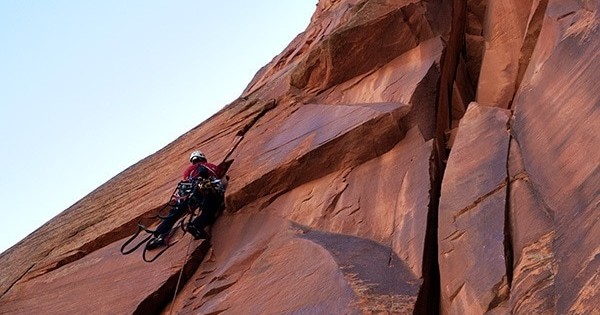
Top 10 Climbing Adventures in Naples, Maine
Naples is a small-lake town with outsized climbing possibilities: short approaches to clean ledges, pocketed granite faces that capture late-afternoon light, and scattered boulder fields left by glaciers. The climbing here reads like an intimate correspondence between rock and water—routes that end above quiet coves, low-angle finger cracks for practicing technique, and pocketed slabs that reward balance more than brute force. Close enough for a day trip from Portland yet untouched enough to feel private, Naples offers a blend of top-rope and sport crags, trad practice areas, and accessible bouldering that together make for a varied weekend itinerary.
Top Climbing Trips in Naples
10 trips • Book with confidence • Instant confirmation
Why Naples Is a Standout Climbing Destination
Naples sits where Maine’s gentle hills meet long, cold lakes, and that setting creates climbing that’s intimate, varied, and refreshingly approachable. Geologically, the region is a mosaic—granite ledges punctuate schist outcrops, and glacial erratics form compact boulder fields near the shoreline. This variety translates to an accessible climbing curriculum for a wide range of skills: slab and friction techniques on polished faces, crack climbing that rewards careful footwork, and short, powerful boulder problems that demand precise body position. For travelers who want to mix a day on the rock with a swim, paddling across Sebago’s quieter coves or lowering off a top-rope into a lakeside drop is part of the appeal.
But Naples’ specialness is as much cultural as it is physical. The climbing community here is small and welcoming—local climbers favor low-impact access, modest crowds, and sharing beta over keeping secrets. That ethos means many of the crags retain a near-household feel: parking is often at the end of a gravel road, approaches are measured in minutes rather than hours, and after a long pitch, you’re as likely to be changing out of your climbing shoes in a picnic area as on a crowded trailhead. It’s a place to refine technique, introduce new partners to the sport, or spend a mellow week practicing multipitch transitions without the logistical weight of a major alpine zone.
Seasonality shapes the experience. Late spring brings cool mornings and clean rock after snowmelt; summer offers long days and the option to cool off in a lake after climbing; early fall is the sweet spot—stable weather, brilliant foliage, and fewer insects. Winters are cold and snowy, pushing most rock activity indoors or to the coast where fewer freeze-thaw cycles preserve dry faces. Environmentally, the area is sensitive: shoreline vegetation, fragile lichen communities on ledges, and limited roadside parking mean climbers need to plan for minimal impact—stick to established approaches, pack out chalk and trash, and use natural anchors responsibly. When done thoughtfully, climbing in Naples is not only a technical exercise but a slow, scenic conversation with Maine’s understated landscapes.
The variety of short, concentrated crags makes Naples ideal for learning and refining skills. Many areas are perfect for top-roping and sport practice—quick to rig, quick to repeat. Because routes are generally short, stress is low and learning cycles are fast: try a sequence, adjust technique, and climb again.
Naples pairs easily with other outdoor pursuits: paddleboarding on Sebago Lake after a morning of bouldering, hiking nearby Pleasant Mountain for panoramic perspective, or sampling coastal climbs on a longer Maine road trip. The town’s small-scale infrastructure means planning ahead—especially for guide services and shuttle logistics—keeps your weekend smooth and respectful of local access.
Best Time to Visit
Best Months
Weather Notes
Late spring and early fall provide the most stable rock conditions and comfortable temperatures. Summer afternoons can be humid and bring thunderstorms; mornings and early evenings are best. Winter brings freeze-thaw cycles that close most outdoor routes.
Peak Season
Late June through August for general tourism; early fall for quieter climbing with better weather stability.
Off-Season Opportunities
Shoulder seasons (late spring and early fall) offer cooler rock, fewer bugs, and quieter access. Winter is best reserved for indoor training or travel to coastal areas with milder microclimates.
Frequently Asked Questions
Do I need permits to climb near Naples?
Most climbing areas around Naples do not require formal permits, but many approaches cross private land or sensitive shoreline—respect posted signs, avoid parking on narrow roads, and check local landowner guidelines before heading out.
Are there guide services or rentals in the area?
Local guide services operate from nearby towns and Portland; they are recommended for multi-pitch practice or if you want instruction. Equipment rental availability may be limited in Naples itself—plan to bring key gear or reserve rentals in advance.
Is bolting allowed everywhere?
Bolting and fixed anchor practices vary by area. In general, use existing bolts and hardware where present, avoid adding new bolts without local consensus, and follow established access-group recommendations to preserve routes and relations with landowners.
Choose Your Experience Level
Beginner
Short top-ropes and low-angle slab routes with easy approaches—great for learning footwork and confidence on natural rock.
- Top-rope practice on short ledges
- Introduction to slab climbing and friction techniques
- Beginner-friendly bouldering circuits
Intermediate
Sport routes and longer multi-pitch basics with moderate protection and slightly longer approaches. Good for working sequences and lead-building.
- Sport lead practice on short, steep faces
- Trad anchor-building and crack technique drills
- Extended bouldering sessions across several problems
Advanced
Linking multiple crags, managing complex anchors, mixed rock types, and remote approaches that require route-finding and endurance.
- Linking pitches across varied terrain
- Practicing trad leads on cleaner cracks
- Full-day technique sessions combining routes and boulder problems
Insider Tips & Local Knowledge
Respect private land, keep approaches clean, and check local access notes before visiting.
Arrive early to secure limited roadside parking and to climb on clean, cool rock. Early mornings offer the best friction for slabs and bouldering. If you’re new to the area, seek local beta at a climbing shop or online access forum—routes can be cryptic and parking is often the trickiest part of the day. Share carpool space when possible and avoid blocking driveways. Bring a trash bag and pack out any tape, chalk bags, or gear tape; shoreline algae and lichens are delicate and recover slowly. For guided or instructional days, request local-route instruction so you learn both ropework and access etiquette. And finally, build in a post-climb paddle or swim—cooling off in Sebago’s calmer coves is one of Naples’ quiet rewards.
What to Bring
Essential
- Climbing harness, shoes, and helmet
- Rope (60–70m depending on rope-access objectives) and locking carabiners
- Quickdraws and a small trad rack if exploring cracks
- Personal anchor system and slings for anchors
- Plenty of water and sun protection
Recommended
- Guidebook or downloadable topo and a local beta note
- Chalk bag (minimize excess chalk use to protect rock)
- Small first-aid kit and a headlamp
- Light shell for coastal breezes and sudden showers
Optional
- Crash pad for bouldering and a spotter
- Approach shoes for mixed terrain
- Lightweight paddle or towel for post-climb swims
Ready for Your Climbing Adventure?
Browse 10 verified trips in Naples with instant booking
Explore Top 15 Naples, Maine Adventures →