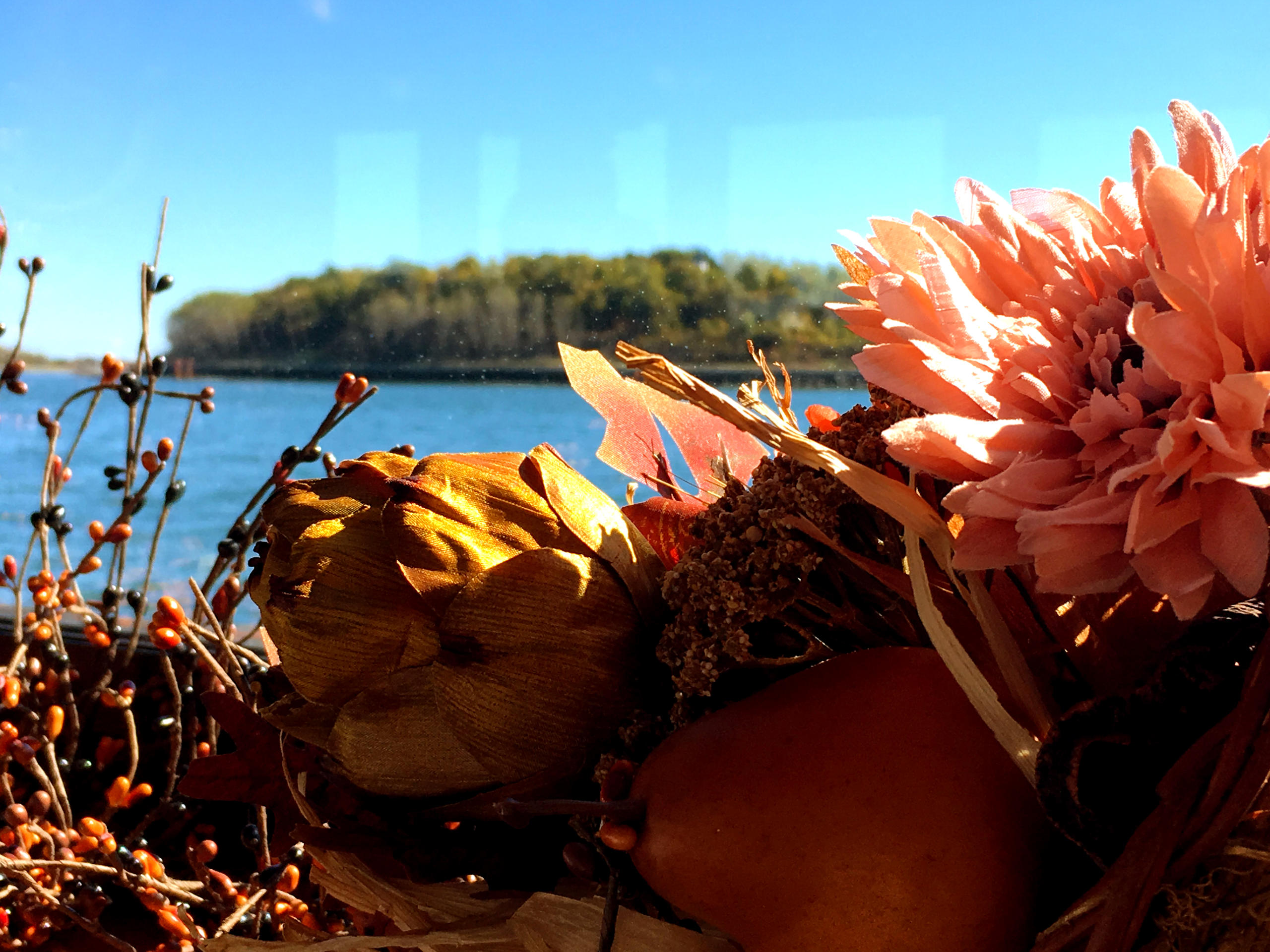
Nahant’s coastline reads like an angler’s sketchbook: low cliffs cut with tide-rugged ledges, long causeway views that look across open bay to Boston Harbor, and narrow pocket beaches that concentrate bait and predators into readable, fishable water. Unlike wide, sandy coasts where fish can spread across broad shallow flats, Nahant’s topography corrals currents and bait into channels that are predictable if you know the tides. That predictability rewards anglers who respect timing and terrain: a well-placed cast from a rock outcrop at the right tide can produce action that would be impossible from shore a few blocks away.
Beyond the physical landscape, Nahant sits at a crossroads of migratory routes and local forage concentrations. Spring and fall migrations thread through the bay, bringing stripers and false albacore within sight of the headland, while summer schools of mackerel and bluefish light up the surface and invite fast-paced spinning or light-tackle sessions. Inshore species like scup and tautog use rocky bottoms and structure close to shore, giving shore- and boat-based anglers targets across techniques and skill levels. This ecological variety translates into a compact, highly accessible fishing experience: you can check a headland, a short causeway, and a sheltered cove in a single morning and encounter distinctly different species and tactics.
The social scene is understated but practical. Local anglers move like a tacit community — sharing a weather-worn tip about the best tide window or the neighborhood bait shop that still cuts fresh mackerel. There’s a humility to Nahant fishing: it’s less about spectacle and more about reading the water, respecting the rocks, and knowing when to change approach. For travelers, that means you’ll find instant rewards for preparation: tide charts, a sturdy pair of boots, and the right terminal tackle. Complementary activities are close at hand: kayak fishing from the causeway, short boat charters out of neighboring Lynn or Salem for deeper targets, and coastal walks that double as scouting trips for structure and bait concentrations. In short, Nahant is compact and concentrated — a place where effort is efficiently returned in bites and coastal scenery alike.
Small geography, big variety: rock, sand, and kelp create microhabitats that anglers can exploit with spinning tackle, bait rigs, or light fly setups.
Proximity to larger ports means easy access to tackle shops and half-day charters if you want to trade shore time for a guided boat excursion.
Choose by purpose
Whale watching, snorkeling, sunset sailing, cultural canoeing, harbor sightseeing, or private chartering.
Start near the city
Waikiki and Honolulu Harbor are primary hubs, with some trips launching near Hanauma Bay.
Confirm the vessel
Gangways, shaded seating, and boarding requirements vary according to vessel size and operator.