3

Top 8 Surf Adventures in Murrells Inlet, South Carolina

Murrells Inlet, South Carolina

Murrells Inlet is a low-country surf destination where inlet currents, barrier-beach sandbars, and seasonal swell combine to create a compact but compelling playground for surfers. Expect a mix of gentle beach breaks for learners, punchier sandbar peaks at higher tides, and the occasional storm-driven swell that lines up along the coast. Complement your surf days with kayaking through salt marshes, early-morning flats fishing, or a sunset walk on the state park pier.

8
Activities
Spring–Fall Primary Surf Season
Best Months

Top Surf Trips in Murrells Inlet

8 trips • Book with confidence • Instant confirmation

Why Murrells Inlet Punches Above Its Weight for Surfing

Murrells Inlet sits at the edge of South Carolina’s coastal fringe—a stitched landscape of marsh, tidal creeks, and long sandy spits that shape the surf in subtle, rewarding ways. Unlike wide-open Pacific coasts that deliver hours of obvious swell, this stretch of the Atlantic offers a more intimate surf experience: waves that are governed by tide, wind, and the shifting geometry of sandbars. For travelers who appreciate nuance, Murrells Inlet is satisfying because it rewards local knowledge and timing. Read the tide, find the sandbar, and the surf unfolds in playful peaks and long shoulder sections that are ideal for honing turns, catching longer unbroken rides, or introducing a friend to board control.

The area’s character is as much about the marsh as the sea. Saltwater creeks feed the inlet, feeding nutrient-rich estuaries that support birds, shrimp boats, and old fishing communities. That working coastline creates a cultural backdrop to any surf day—local bait shops, small surf and paddle rental businesses, and waterfront restaurants serve as practical and social anchors. After an afternoon of waves you can rinse salt from your suit and sit to watch shrimp boats float home against a cotton-candy sky, trading surf anecdotes with locals or plotting an early-morning session when winds are calm. This interweaving of natural systems and coastal life gives Murrells Inlet a distinct sense of place: it’s surf lodged inside a living salt-marsh ecosystem rather than a purely commercial beach strip.

Seasonality drives the best sessions. Summer produces consistent southerly winds and plenty of small, friendly waves—perfect for lessons and longboard cruising—while late summer and early fall are when tropical systems or distant swells can send bigger, more organized energy northward. Winters deliver occasional northwest groundswell that excite advanced surfers but also bring colder water and more wind. The surf here is not about relentless giant swells; it’s about productive sessions—you learn to work with tides, spot the cleaner outside lines, and pick your moments. That learning curve makes Murrells Inlet especially appealing for intermediate surfers aiming to upgrade their board control and wave selection, as well as families seeking gentle surf with nearby amenities.

Practically, Murrells Inlet is accessible from Myrtle Beach and the Grand Strand but feels removed enough to offer quieter parking and fewer crowds at many breaks. The geography concentrates activity around a few reliable spots—state park beaches, the inlet mouth, and protected points—so planning matters: look at tide charts, prioritize early mornings for offshore winds, and consider a short stint at nearby Pawleys Island or Huntington Beach State Park if conditions aren’t cooperating. Complementary activities—stand-up paddleboarding through marsh creeks, guided birding, or a chartered fishing morning—round out a surf-focused trip and make Murrells Inlet a versatile coastal base for travelers who want more than a single-activity getaway.

Accessible, beginner-friendly beach breaks sit alongside more technical sandbar peaks—Murrells Inlet is a practical training ground that still offers occasional high-performance sessions.

The salt marsh and inlet influence currents and tidal bars; understanding local tidal windows will dramatically improve your session success rate.

Nearby conservation areas and state park beaches provide quieter options when the main breaks are crowded, and they pair well with non-surf activities like birding and kayaking.

Activity focus: Surf — beach breaks, sandbar peaks, inlet edges
Number of featured surf experiences: 8
Best swells: late summer/early fall (tropical and distant-storm energy) and occasional winter groundswells
Tide-driven breaks: many reliable peaks form on mid to high tides
Complementary activities: SUP in the marsh, coastal birding, saltwater fishing charters

Best Time to Visit

Best Months

AprilMayJuneSeptemberOctober

Weather Notes

Spring offers mild water temperatures and steadier winds; summer produces warm water and smaller, user-friendly waves while late summer and early fall bring the best chance for organized swell from tropical systems. Winter can deliver groundswells but brings cooler water and stronger winds.

Peak Season

Late summer through early fall (August–October) when tropical-sourced swell and hurricane-season energy can produce the largest and most consistent surf.

Off-Season Opportunities

Spring weekdays and winter mornings can be quiet with clean surf—winter is best for solo seeking advanced sessions if you’re prepared for colder water.

Frequently Asked Questions

Do I need permits to surf in Murrells Inlet?

No general permits are required to surf from public beaches. Some state park beach access points may have parking fees or seasonal restrictions—check Huntington Beach State Park and local parking signage.

Are there surf schools and rentals nearby?

Yes. Several local shops and outfitters provide lessons, board rentals, and guided sessions, making Murrells Inlet a good place for first-timers and visiting surfers without gear.

What hazards should surfers be aware of?

Rips can form around the inlet and near sandbars; shells and submerged rocks are occasional hazards at low tide; and typical warm-water wildlife is present. Always check local conditions, ask a friendly local if unsure, and avoid surfing alone in unfamiliar spots.

Choose Your Experience Level

Beginner

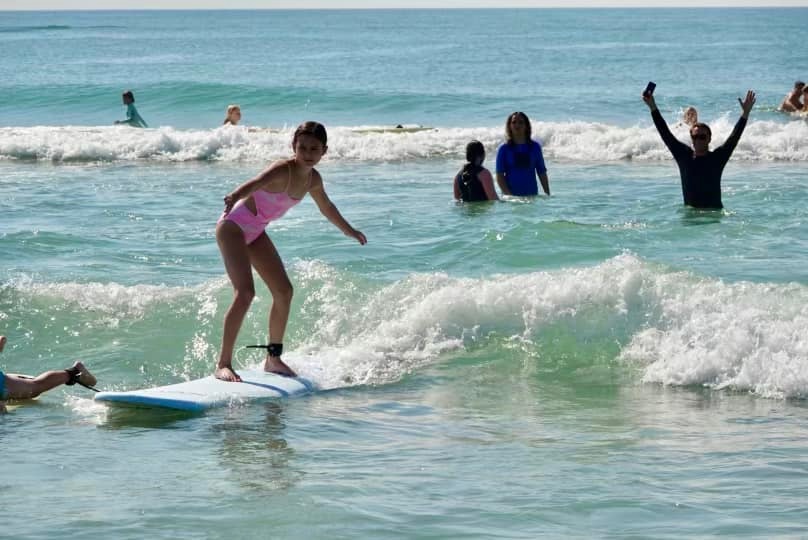
Gentle beach breaks and protected bays provide forgiving, slow-peeling waves ideal for learning pop-ups and basic board control.

  • Private surf lesson at a gentle Garden City or state-park beach break
  • Longboard cruise during a calm summer morning
  • Flat-water SUP lessons in the inlet’s marsh channels

Intermediate

Learners progressing to trimming and small maneuvers will find more rewarding shoulders on mid-tide sandbars and slightly steeper faces during seasonal upswings.

  • Mid-tide sandbar sessions that offer longer rides and shoulder turns
  • Mixed conditions practice day—trial of shortboard and mid-length boards
  • Evening sessions timed with calmer winds and smaller crowds

Advanced

Advanced surfers chase organized late-summer/early-fall swells and winter groundswells; these conditions can produce powerful, hollow sections and fast sandbar peaks.

  • Hurricane or distant-storm swell sessions at the inlet mouth
  • High-performance shortboard work on fast sandbar peaks
  • Exploratory sessions at neighboring breaks (Pawleys Island, Huntington) when local conditions permit

Insider Tips & Local Knowledge

Check tide windows and local wind forecasts first; early mornings often deliver the cleanest lines. Respect parking rules and local surf etiquette.

Aim for sessions on incoming to mid tides for the cleanest sandbar peaks. Talk to local shop operators or lifeguards—Murrells Inlet’s best breaks shift with seasons and storms. If the inlet mouth is firing, approach with caution: currents can be strong and currents around jetties are powerful. Shuttling between Huntington Beach State Park, Garden City, and Pawleys Island can be a smart strategy if one spot is blown out. Bring cash for small parking lots and tip instructors or local guides who share time-tested knowledge. Finally, pair surf days with low-key marsh activities—post-surf kayak tours, seafood joints, and birding walks make the area feel rounded and restful.

What to Bring

Essential

  • Board (shortboard, funboard, or longboard depending on skill) or rental reservation
  • Fins, leash, and wax appropriate for water temperature
  • Rashguard or spring suit (summer) and 3/2mm or 4/3mm wetsuit for cooler months
  • Waterproof sunscreen and a wide-brim hat for shore breaks
  • Tide and surf forecast app or printed tide chart

Recommended

  • Fins key wrench and board repair kit for minor dings
  • Water bottle and electrolytes for hot summer sessions
  • Light booties if you’re navigating shell-strewn sandbars
  • Lock for your board or a secure car-top rack if driving from a distance

Optional

  • Waterproof phone case or dry bag for camera gear
  • Wetsuit changing mat or towel for sandy parking areas
  • Compact first-aid kit geared for marine cuts and stings

Ready for Your Surf Adventure?

Browse 8 verified trips in Murrells Inlet with instant booking

Explore Top 15 Murrells Inlet, South Carolina Adventures →