Top Air Activities in Mountainside, New Jersey
Mountainside Air Activities Guide

Top Air Activities in Mountainside, New Jersey

Near the low ridges of the Watchung Mountains and within reach of New York City's skyline, Mountainside is a surprising corridor for air-based recreation. From quiet early-morning balloon ascents and scenic light-plane hops to tandem paragliding and nearby zipline courses, the town's gentle elevations, clearings, and river valleys provide a range of aerial perspectives. This guide focuses specifically on air activities available to visitors in and around Mountainside—what to expect from the experience, how seasons and wind shape opportunities, and practical planning notes to make a morning aloft feel effortless rather than risky.

Watchung ReservationRahway River ParkwayUnion County skies

Live destination inventory

Top Air Activities Trips in Mountainside

38 trips · Book with confidence · Instant confirmation

The prototype intentionally does not invent replacement trip cards or add images that are not already part of the live source page.

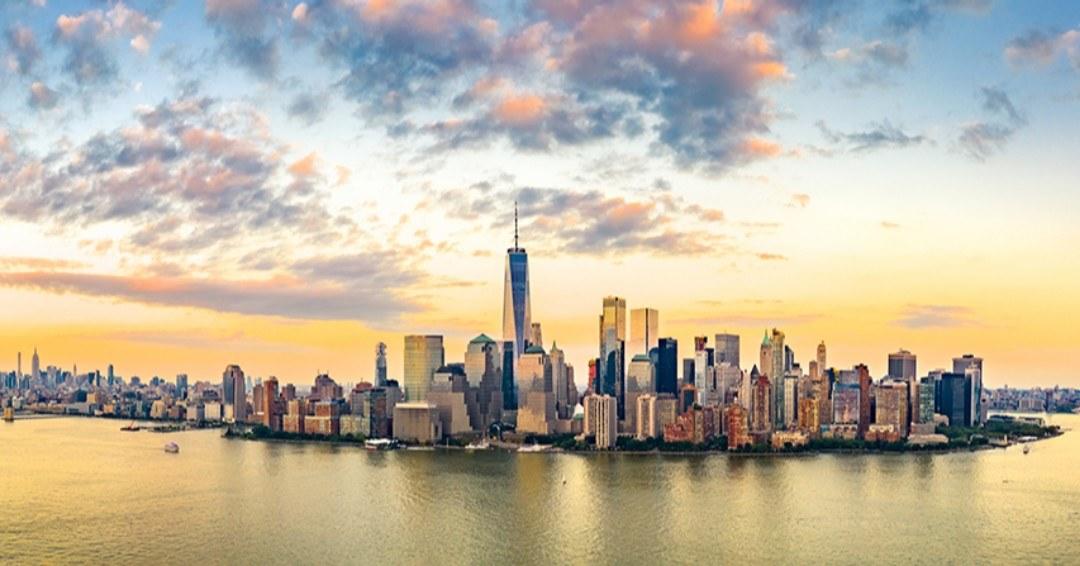
The city from the water

Why Mountainside Delivers Memorable Air Adventures

There’s an odd comfort to being airborne over a familiar landscape: the tough geometry of street grids melting into ribbons of river, suburban rooftops shrinking to a patchwork quilt, and the Watchung ridgeline revealing how quietly dramatic a modest mountain can be. Mountainside’s appeal for air activities is not a single headline attraction but a collection of micro-opportunities—clear launch fields, stable early-morning air, and proximity to both rural corridors and metropolitan skylines. For travelers who want the thrill of altitude without a multi-hour transfer, this corridor offers short flights and experiments aloft that feel intimate and immediate rather than adrenaline-only spectacles. Mornings define air activity here. Before thermal updrafts develop, the low-angle light softens valleys and the wind usually lies down—conditions that favor ballooning, tandem paragliding, and scenic fixed-wing sorties. The terrain is friendly: rolling ridges, river meadows, small farms, and suburban parks provide safe landing options close to services. That accessibility transforms the experience. You can leave town at dawn, be standing beside a tethered basket as the crew prepares the envelope, climb for a silent glide as the day wakes, and be back in time for brunch—no backcountry plan, no multi-day logistics. This accessibility also opens air activities to a wider audience. Families, photographers, and first-time flyers can partake in low-altitude scenic flights or tethered experiences that emphasize view and calm rather than extreme thrills. But Mountainside’s charm is not just practical. The visual contrast—green ridges against a background of distant urban towers—creates frames that feel cinematic. Pilots and operators working in this region will often route flights to capture river bends, historic town centers, and the linear silhouette of ridgelines; what might be a quiet local commute becomes a curated aerial postcard. There’s also a strong culture of complementary activities nearby. Hikers use the same early-morning window for ridgewalks; photographers pair golden-hour flights with sunrise treks; and small aviation schools and recreational flyers offer cross-training that blends ground skills with in-air confidence. In short, Mountainside is an excellent staging ground for air activities that reward curiosity—short, photo-rich outings that pair well with a full day of exploration on the ground. Planning matters more here than raw skill. Because many air activities are weather-dependent, the best experiences are booked with flexible windows and an eye toward morning windows of calm. Operators in the region emphasize light layers, quick arrival times before dawn, and modest expectations about altitude—these are scenic, often quieter flights rather than high-altitude expeditions. For visitors who respect weather rhythms and come prepared with basic mobility and patience, Mountainside delivers an approachable, memorable way to experience airborne perspective without the extremes.

The region’s gently rolling topography and open fields create safe launch and landing corridors ideal for tethered balloon rides, photo flights, and tandem glides.

Because most aerial experiences operate in early morning or late afternoon windows, combining an air activity with nearby hiking, cycling, or local dining makes for a full-day itinerary.

The harbor is the gateway, and the Pacific becomes the classroom.

Operators and clubs near Mountainside often offer tandem or introductory sessions, so solo technical experience is not required for many of the region’s air adventures.

Activity focus

Choose by purpose

Whale watching, snorkeling, sunset sailing, cultural canoeing, harbor sightseeing, or private chartering.

Departure hubs

Start near the city

Waikiki and Honolulu Harbor are primary hubs, with some trips launching near Hanauma Bay.

Accessibility

Confirm the vessel

Gangways, shaded seating, and boarding requirements vary according to vessel size and operator.
Seasonal planning

Best Time to Visit

Mountainside is warm year-round, but wind, swell, migration, visibility, and demand change the best match between traveler and trip.

Mountainside boat tour
Year-round destination

Seasonal highlights change the reason to go

Winter favors humpback encounters; warmer, calmer months favor snorkeling visibility and smoother water.

Humpback season

Late spring and early fall mornings are the busiest times for scenic flights and ballooning due to stable air and pleasant temperatures.

Prime whale watching, winter holidays, higher demand, and earlier sell-outs.

Snorkeling window

April–May–September–October

Typically gentler seas and clearer water for snorkeling trips.

Weather notes

Trade winds year-round

Air activities in Mountainside favor calm, cool mornings and stable late-afternoon windows. Spring and fall typically provide the most reliable conditions—warm enough for comfort but cool enough to suppress thermals. Summer afternoons can generate gusts and thermal activity that shorten or complicate flights; winter brings colder temperatures and occasionally reduced availability.

Quieter opportunities

Late spring & summer weekdays

Operators may run limited tethered experiences, instructional sessions, or simulator-based training in cooler months; winter fly days are possible but less frequent and more weather-dependent.

Match the trip to your comfort

Choose Your Experience Level

Low effort

Beginner

Introductory, guided experiences that require no prior training—short scenic flights, tethered balloon rides, and guided zipline experiences in nearby adventure parks.

  • Tethered early-morning balloon ascents
  • Scenic 20–30 minute fixed-wing flights
  • Guided tandem paraglider rides (pilot in control)
Active day trip

Intermediate

Activities that might require introductory lessons or moderate physical readiness—longer tandem glides, introductory flight lessons, or guided ultralight hops.

  • Introductory paragliding lessons and supervised short solos
  • Discovery flights in light aircraft with a flight instructor
  • Short helicopter scenic tours departing from regional helipads
Longer or technical

Advanced

For experienced pilots and thrill-seekers—solo cross-country paragliding, skydiving AFF courses, or certified pilot instruction for private aircraft.

  • Solo paragliding in permitted cross-country corridors
  • Skydiving progression and AFF jumps at nearby drop zones
  • Flight school programs for fixed-wing or ultralight ratings

Prepare for sun, spray, and swell

What to Bring

Essential

Core kit

  • Government-issued ID (required by many operators)
  • Closed-toe shoes with good traction
  • Layered clothing for cool mornings and warmer afternoons
  • Sunglasses and sunscreen
  • Phone with charged battery for photos and contact
Recommended

Useful extras

  • Light windbreaker or insulating layer (mornings can be chilly)
  • Small daypack to carry water and snacks
  • Motion-sickness medication if you’re prone to airsickness
  • Compact camera or smartphone with a wrist strap
Optional

Trip-specific

  • Binoculars for river and birdwatching from low-altitude flights
  • Portable phone charger
  • Light gloves for early-season flights
Weather is the single biggest variable—plan for flexibility and choose morning slots when possible.

Insider Tips & Local Knowledge

Reserve whale-watching and popular sunset cruises well ahead during December–April.
Choose morning snorkeling departures for calmer seas and better underwater visibility.
For motion sensitivity, choose a larger vessel, sit mid-ship, and take preventative medication before boarding.
Do not touch coral or wildlife, avoid standing on reefs, and use reef-safe sunscreen.
Community-based operators may add context about traditional navigation and stewardship.
Arrive early for parking and check-in because Waikiki departure areas can be busy.

Planning questions

Frequently Asked Questions

No. Most tandem paragliding and balloon rides are structured for newcomers. Operators provide a safety briefing and pair guests with certified pilots for tandem flights. For solo flights or lessons you’ll need progressive training.
Top Air Activities in Mountainside, New Jersey
Ready for your air activities adventure?

Browse 38 verified trips in Mountainside.

Compare current availability and book with instant confirmation.

Explore Mountainside air activities