Why Mount Olive Works for Air Activities
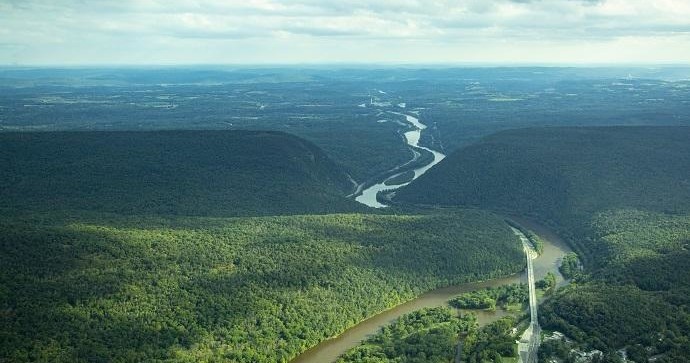
There’s a peculiar clarity to the air above Mount Olive Township—an unobstructed mid-Atlantic sky that reads like a map. On a clear morning the patchwork of fields, reservoirs, and suburban edges lays itself out below in a way that invites flight. That quality—open, domestic, and deceptively scenic—makes Mount Olive a practical launching point for a range of air experiences. You won't find high alpine thermals or cliffside launches here; instead, the township’s geography favors accessible, low-altitude aviation: small-plane sightseeing that traces lakes and tree lines, tranquil hot-air balloon launches in nearby open fields, helicopter tours that give quick urban-to-rural perspective shifts, and tandem skydiving at regional drop zones within comfortable driving range.
Unlike remote mountain valleys where weather and elevation dominate decision-making, air activities around Mount Olive hinge on local wind patterns, seasonal thermal activity, and clear corridors for takeoff and landing. Operators use small municipal airstrips and private launch fields where visibility and wind are ideal; airports and drop zones are often family-run outfits where bookings depend on tight weather windows and pilot schedules. This creates a rhythm to planning: a flexible itinerary, a morning or late-afternoon pickup, and an acceptance that perfect conditions sometimes arrive at the last minute. That spontaneity is part of the charm—on the right day you can trade a roadbound view for a stitched-together aerial panorama with lakes like gentle mirrors and the distant Manhattan skyline punctuating the horizon.
For practical-minded travelers, Mount Olive offers proximity to both rural scenery and larger urban centers, making it an attractive place to combine a flight with other activities. Pair a sunrise hot-air balloon ride with a lakeside breakfast, or make an afternoon of it: fly in the morning, kayak a reservoir, and cap the day with a brewery or farm-stand meal. For thrill-seekers, tandem skydiving and aerobatic flights—typically run from nearby regional centers—deliver climactic moments without the backcountry commitment. For photographers and storytellers, the low-altitude perspective translates into detailed landscape studies and strong light for golden-hour imagery.
Safety and accessibility are woven into the experience here. Operators adhere to FAA regulations; many flights require a short preflight briefing, a basic health screen, and simple paperwork. Weight limits, age minimums, and mobility considerations vary by vendor, so the savvy traveler calls ahead and confirms specifics. Weather is the deciding factor: spring and fall offer long windows of calm air and good visibility, while summer’s daily thermals and pop-up storms can compress operating hours. Winter flights are possible on still, cold days but are less common. In all seasons, patience and flexibility are rewarded—air activities in and near Mount Olive are less about conquering extreme conditions and more about choosing the right sky.
Finally, the social texture of flying here is welcoming. Local pilots, airport staff, and balloon crews often work within small communities; you'll find practical, hands-on help and operators who prefer clear communication over marketing hyperbole. For travelers seeking an approachable aerial experience—whether a contemplative balloon drift, a panoramic sightseeing hop, or an adrenaline-laced skydive—Mount Olive's nuanced skies present a compelling, accessible canvas.
Air activities in the Mount Olive area are generally operator-driven: expect short briefings, safety paperwork, and pilot-led decisions about go/no-go windows. This makes planning straightforward, provided you book with some flexibility.
Because takeoffs and landings are commonly from local strips and fields, parking and ground access are usually easier than at larger airports. Bring a layer for the aircraft, and plan for a slightly different timeline than a land-based excursion—arrivals often happen an hour before lift-off.
The harbor is the gateway, and the Pacific becomes the classroom.
Complementary ground activities—kayaking, short hikes to viewpoint ridges, local food stops—pair well with flights. Use aerial time to orient yourself to the landscape, then spend the rest of the day exploring what you saw from above.
Choose by purpose
Whale watching, snorkeling, sunset sailing, cultural canoeing, harbor sightseeing, or private chartering.
Start near the city
Waikiki and Honolulu Harbor are primary hubs, with some trips launching near Hanauma Bay.
Confirm the vessel
Gangways, shaded seating, and boarding requirements vary according to vessel size and operator.