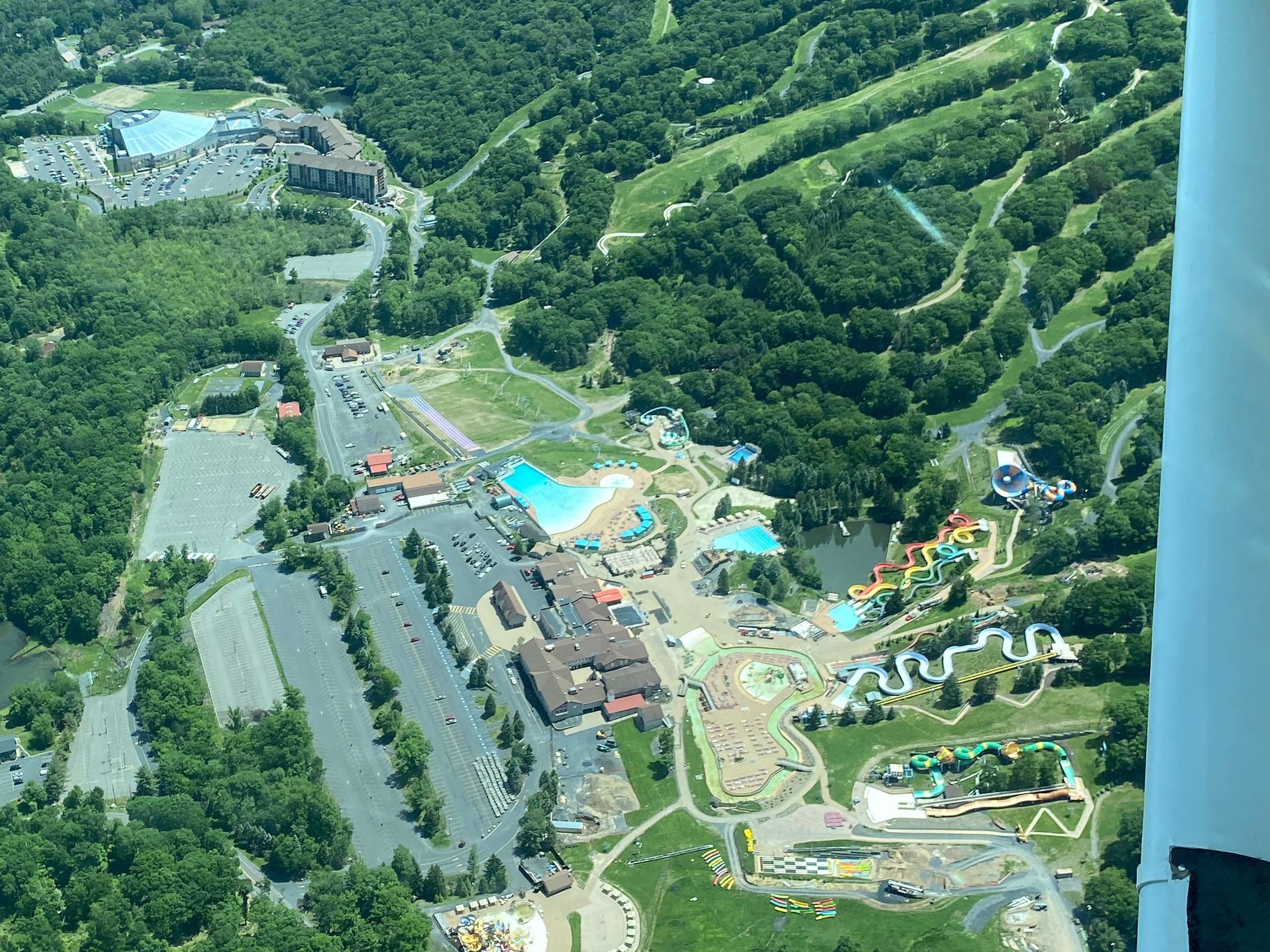
Why Mount Olive Is a Standout Air Tour Destination
There’s a quiet pleasure to seeing a familiar place from a less familiar vantage. From the ground, Mount Olive reads as a mosaic of small towns, reservoirs, and agricultural parcels; from the air, those same features resolve into clean, graphic lines—the curve of a lake shore, the straight cut of a route, the ridgeline silhouettes on the horizon. Air tours in this region are compact by design: short transit times to lift, calm low‑altitude passages that highlight water and field textures, and a sense of looking down on a lived, working landscape rather than an empty wilderness.
The appeal for travelers is practical as much as aesthetic. Mount Olive sits within easy reach of larger metro corridors but retains enough open space that pilots can fly low and slow without the congestion of denser urban airspace. That creates an ideal entry point for photographers, families, or those trying a first scenic flight—operators can tailor routes to focus on seasonal spectacle (spring ice, summer green, peak fall color) or to emphasize local features like the broad shapes of reservoirs and the seam where development gives way to wooded hills. Flights are short enough that they fit into a half‑day itinerary yet long enough to deliver a distinct sense of place.
Beyond the visuals, air tours are a gateway to complementary outdoor experiences. A morning scenic flight followed by a lakeside picnic, a short trail walk, or a water‑based activity stitches together an efficient and memorable day. For photographers and amateur pilots, these flights offer reference for planning hikes or paddling routes by revealing approach corridors and topographic transitions. For families and casual visitors, the sensory clarity of a 20–40 minute flight—engine hum, the small-diameter windows framing the landscape, the pilot’s narration—makes for a compact, transportable memory.
Practical considerations are part of the allure: weather rules scheduling, so flexibility is rewarded; shorter flights minimize motion‑sickness risk and typically carry fewer passengers, creating a more intimate experience; and operators in and near Mount Olive tend to be small, locally focused businesses that can tailor routes and answer questions about local landing sites, airspace, and seasonal highlights. In short, Mount Olive’s air‑tour scene is less about dramatic alpine canyons or massive fjords and more about a refined, domestic perspective on the Mid‑Atlantic landscape—accessible, adaptable, and ripe for pairing with land-based adventures.
Flexible, short-duration flights suit first-time flyers and families.
Seasonal color and water-level changes create distinctly different aerial experiences across the year.
The harbor is the gateway, and the Pacific becomes the classroom.
Small local operators often provide customizable routes and knowledgeable pilot commentary.
Good for combining with on-the-ground activities like paddling, short hikes, and lakeside dining.
Choose by purpose
Whale watching, snorkeling, sunset sailing, cultural canoeing, harbor sightseeing, or private chartering.
Start near the city
Waikiki and Honolulu Harbor are primary hubs, with some trips launching near Hanauma Bay.
Confirm the vessel
Gangways, shaded seating, and boarding requirements vary according to vessel size and operator.